-
Shop
- Advanced Technologies
- AI Skills for Creators & Freelancers
- AI Client Management
- AI Ethics
- AI Mindset
- AI Tools & Prompts
- AI Writing & Content Creation
- Audio, Voice & Music
- Design & Visual Creation
- Email, Messaging & Communication
- Freelancing & Business
- Marketing, Ads & Conversion
- Productivity, Workflow & Automation
- SEO & Search Optimization
- Social Media Content & Growth
- Strategy, Planning & Analytics
- Video Creation & Editing
- AI Skills Mastery 2026 Collection
- Bathroom
- Best-Sellers
- Car Accessories
- Confidence
- Dating & Social Skills
- Digital Resources
- Easter Products
- Education & Learning
- Family & Parenting
- Fashion
- Fashion Accessories
- Furniture
- Gadgets
- Health & Beauty
- Health & Wellness
- Home & Garden
- Home Electronics
- Home Supplies
- Jewelry
- Kids & Babies
- Kitchen
- Lighting
- Patio, Lawn & Garden
- Personal Growth
- Pet Care
- Pet Supplies
- Pets
- Shoes
- Smart Home Living Guides
- Sport & Outdoors
- Stress Relief & Relaxation
- Super Deals
- TikTok Growth & Monetization Mastery
- Travel
- Travel & Adventure
- Wealth
- Wellness
Bluetooth Headphones All Day: Are They Safe to Wear?

Is it safe to wear Bluetooth headphones all the time?
Wearing Bluetooth headphones for long stretches is generally considered low risk for most healthy adults, but “safe” depends more on how you use them than on Bluetooth itself. The bigger day-to-day concerns are hearing strain from high volume, skin irritation from constant contact, and reduced awareness of your surroundings—especially outdoors or while commuting.
Bluetooth exposure: what to know
Bluetooth devices use low-power radiofrequency signals, typically much lower output than a smartphone during a call. For most people, using Bluetooth headphones for typical daily listening is not viewed as a major hazard. If you want to be extra cautious, take breaks, avoid sleeping with buds that press into the ear canal, and switch sides or device styles to reduce constant contact in one spot.
The real safety issues are volume, fit, and hygiene
Listening too loudly for too long can contribute to noise-induced hearing damage, which is cumulative and often irreversible. Keep volume at a comfortable level where you can still notice nearby sounds, and consider noise-isolating or sleep-focused designs so you don’t feel tempted to crank the volume to cover background noise.
Fit matters too: in-ear buds can trap moisture and earwax, and tight headbands or on-ear pressure points can cause soreness or headaches over time. Clean ear tips or fabric surfaces regularly, let your skin breathe, and rotate between devices (or use speakers) if you notice irritation.
All-day wear tips for a safer routine
Take short listening breaks, keep volumes moderate, and avoid wearing headphones in situations where situational awareness is critical (crosswalks, cycling, driving). If you experience ringing in your ears, ear pain, persistent headaches, or dizziness, stop using them and consider medical advice.
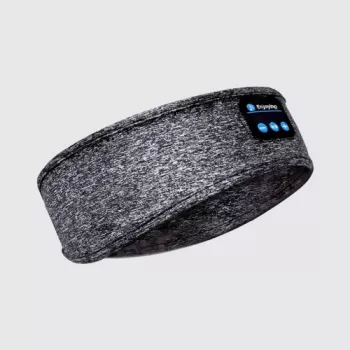
For comfort-oriented options—especially for bedtime listening—see the detailed guide here: https://ulorin.com/guide-bluetooth-sleep-headband-hd-stereo-speakers/.
FAQ
Can you sleep with Bluetooth headphones on?
It can be fine if the device is designed for sleep and doesn’t press into your ear, but avoid high volumes and prolonged pressure points. Choose soft, low-profile options, keep the volume low, and take breaks if you notice soreness or disrupted sleep.
Recommended for you


Was this article helpful?
Yes
No









Leave a comment