-
Shop
- Advanced Technologies
- AI Skills for Creators & Freelancers
- AI Client Management
- AI Ethics
- AI Mindset
- AI Tools & Prompts
- AI Writing & Content Creation
- Audio, Voice & Music
- Design & Visual Creation
- Email, Messaging & Communication
- Freelancing & Business
- Marketing, Ads & Conversion
- Productivity, Workflow & Automation
- SEO & Search Optimization
- Social Media Content & Growth
- Strategy, Planning & Analytics
- Video Creation & Editing
- AI Skills Mastery 2026 Collection
- Bathroom
- Best-Sellers
- Car Accessories
- Confidence
- Dating & Social Skills
- Digital Resources
- Easter Products
- Education & Learning
- Family & Parenting
- Fashion
- Fashion Accessories
- Furniture
- Gadgets
- Health & Beauty
- Health & Wellness
- Home & Garden
- Home Electronics
- Home Supplies
- Jewelry
- Kids & Babies
- Kitchen
- Lighting
- Patio, Lawn & Garden
- Personal Growth
- Pet Care
- Pet Supplies
- Pets
- Shoes
- Smart Home Living Guides
- Sport & Outdoors
- Stress Relief & Relaxation
- Super Deals
- TikTok Growth & Monetization Mastery
- Travel
- Travel & Adventure
- Wealth
- Wellness
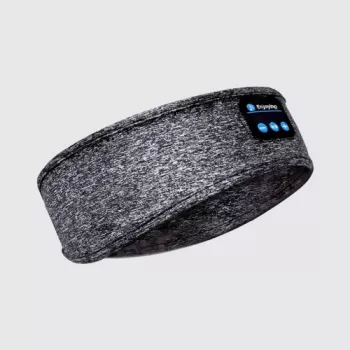
Bluetooth Sleep Headband: HD Stereo Comfort Anywhere

Wireless comfort you can actually sleep in
A Bluetooth headband with built-in stereo speakers combines a soft, wearable fit with wire-free sound—useful for bedtime listening, commuting, yoga, or any situation where earbuds feel uncomfortable. The idea is simple: instead of putting something inside your ear, a fabric band holds thin speakers close to your ears so you can listen while resting, stretching, traveling, or doing light workouts.
If you’re looking for an easy, low-bulk option, the Wireless Bluetooth Headband with HD Stereo Speakers is designed to keep audio convenient without the pressure points that can come from in-ear buds—especially when you’re lying on a pillow.
What a Bluetooth headband is (and why people choose it over earbuds)
A Bluetooth headband is a fabric headband that holds thin speakers near the ears and connects to a phone or tablet over Bluetooth. Many people choose this style because it reduces pressure in the ear canal compared with in-ear earbuds, which can feel uncomfortable during longer sessions or side sleeping.
It also does double duty as a normal headband: it can help keep hair in place during workouts while delivering audio for music, podcasts, or white noise. And in shared spaces—like a bedroom with a partner or a dorm room—it can be a practical alternative to playing audio out loud, since you can keep the volume low and close to your ears.
Highlights of the Wireless Bluetooth Headband with HD Stereo Speakers
- Soft headband format for stable wear during sleep, travel, stretching, and light workouts.
- Built-in HD stereo speakers positioned to sit over the ears without inserting anything into the ear canal.
- Wireless Bluetooth connection for cable-free listening from common devices (phones, tablets, and Bluetooth-enabled laptops).
- Low-profile design intended to reduce bulk compared with over-ear headphones in bed.
- A budget-friendly wearable audio accessory that’s easy to pack.
Fit and comfort: getting the speakers in the right place
With headband-style headphones, speaker placement matters more than volume. When the flat speakers line up directly over your ear opening, you’ll get clearer sound at lower levels, which is ideal for winding down at night.
- For side sleepers: Keep the headband snug enough to prevent shifting, but not tight enough to create pressure points against the pillow.
- If the sound feels muffled: The speakers are usually sitting too far forward or too far back. Slide the band slightly rather than turning up the volume.
- During workouts: Position the band so it grips above the ears and doesn’t creep upward with sweat or motion.
A small adjustment can make the difference between “quiet and muddy” and “clear enough at a whisper.” That’s one of the biggest advantages of a fabric headband: you can fine-tune the fit quickly without reseating earbuds.
Sound and call performance: what to realistically expect
Thin, pillow-friendly speakers are built for comfort first. That means performance is typically best for voice-forward audio—podcasts, audiobooks, language lessons, and guided meditation—plus casual music listening.
- Stereo sound: Stereo separation is present, but the sense of “space” can be subtler than with large headphones.
- Bass impact: Bass is usually lighter than over-ear models because the speakers are slim and don’t seal around your ear.
- Bedtime listening: Clarity at low volume matters more than maximum loudness. Keeping volume comfortable also helps reduce sound leakage in shared rooms.
- Calls: If your specific unit includes a microphone (this can vary), calls are generally most reliable in quieter environments rather than windy or noisy streets.
Everyday use: pairing, controls, and battery habits
Daily operation is straightforward once you’ve paired it once. Most Bluetooth headbands follow a similar routine:
For general background on wireless radio safety, you can review guidance from the FCC and the World Health Organization. For details on how Bluetooth is designed to operate, the Bluetooth SIG specifications are also available.
Care and cleaning: keeping the headband fresh
Quick comparison: headband vs earbuds vs sleep headphones
| Option | Sleep (side) | Workouts | Sound impact | Comfort over long wear |
|---|---|---|---|---|
| Bluetooth headband | High | Medium | Medium | High |
| Earbuds | Low–Medium | High | High | Medium |
| Over-ear headphones | Low | Low–Medium | High | Low–Medium |
When this headband is a good fit (and when to skip it)
Small add-ons that pair well for travel and daily routines
- Universal Car Steering Wheel Phone Mount for Safe Navigation for keeping directions visible during daytime driving (use hands-free habits and follow local laws).
- Triple-Sided Ultra-Fine Soft Bristle Toothbrush for Enhanced Oral Health as a compact toiletry upgrade for gym bags and travel.
FAQ
Is it safe to wear a Bluetooth headband?
Bluetooth devices typically operate at low power, but it’s still smart to follow the manufacturer’s guidance for use and charging. Avoid sleeping while it’s connected to a charging cable, keep volume at safe levels, and consult a clinician if you have a specific medical concern.
What is the best wireless Bluetooth headset?
The best option depends on how you’ll use it: a headband is often best for sleep comfort and long wear, earbuds are better for workouts and stronger bass in a tiny size, and over-ear headphones usually deliver the biggest sound. Pick the style that matches your priority—comfort in bed, stability on the move, or maximum audio impact.
What is a Bluetooth headband?
It’s a fabric headband with thin built-in speakers and a small Bluetooth module that connects wirelessly to your phone or tablet. People commonly use it for sleep, travel, relaxation, and light workouts when earbuds feel uncomfortable.
Recommended for you

Was this article helpful?
Yes
No









Leave a comment