-
Shop
- Advanced Technologies
- AI Skills for Creators & Freelancers
- AI Client Management
- AI Ethics
- AI Mindset
- AI Tools & Prompts
- AI Writing & Content Creation
- Audio, Voice & Music
- Design & Visual Creation
- Email, Messaging & Communication
- Freelancing & Business
- Marketing, Ads & Conversion
- Productivity, Workflow & Automation
- SEO & Search Optimization
- Social Media Content & Growth
- Strategy, Planning & Analytics
- Video Creation & Editing
- AI Skills Mastery 2026 Collection
- Bathroom
- Best-Sellers
- Car Accessories
- Confidence
- Dating & Social Skills
- Digital Resources
- Easter Products
- Education & Learning
- Family & Parenting
- Fashion
- Fashion Accessories
- Furniture
- Gadgets
- Health & Beauty
- Health & Wellness
- Home & Garden
- Home Electronics
- Home Supplies
- Jewelry
- Kids & Babies
- Kitchen
- Lighting
- Patio, Lawn & Garden
- Personal Growth
- Pet Care
- Pet Supplies
- Pets
- Shoes
- Smart Home Living Guides
- Sport & Outdoors
- Stress Relief & Relaxation
- Super Deals
- TikTok Growth & Monetization Mastery
- Travel
- Travel & Adventure
- Wealth
- Wellness
Best Dumpling Filling: Juicy, Flavorful, Never Watery
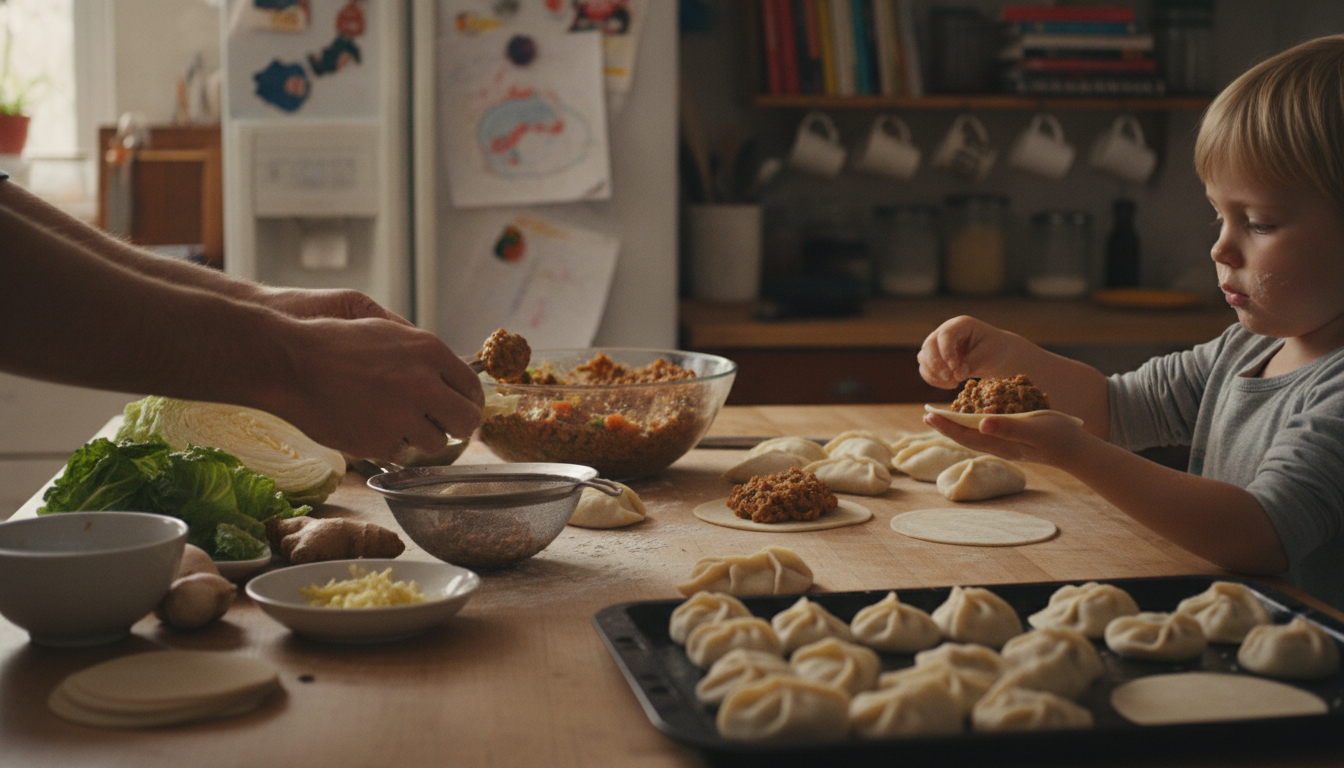
How to make the best dumpling filling?
The best dumpling filling is flavorful, juicy, and cohesive—so it stays tender after steaming, boiling, or pan-frying instead of turning crumbly or watery. Start by choosing one main protein, balance it with aromatics, add a little fat for richness, and control moisture so the wrapper seals cleanly and cooks evenly.
1) Choose a protein with good texture
Ground pork (around 20–30% fat) is a classic because it stays succulent. For chicken or turkey, add a touch more fat (like a spoonful of oil or finely chopped fatty pork) to prevent dryness. For shrimp, chop part of it into a paste and leave some chunks for bounce.
2) Build flavor in layers
Mix in finely minced garlic and ginger, chopped scallions, and a simple seasoning base: soy sauce, a pinch of sugar, and a little salt. Add a small splash of toasted sesame oil at the end so it doesn’t overpower the filling.
3) Manage moisture so the filling doesn’t leak
Watery vegetables are the most common reason fillings weep. If using cabbage, zucchini, or mushrooms, salt them lightly, let them sit, then squeeze out excess liquid before mixing. Keep add-ins finely chopped so the filling packs tightly and seals without gaps.
4) Create juiciness without making it runny
A spoonful of stock or water mixed into the meat in stages (stirring in one direction) helps the filling turn silky and juicy. If you want extra “soupiness,” use a small amount of chilled gelatinized stock (aspic) folded in so it melts during cooking instead of leaking during assembly.
5) Mix for a springy, cohesive bite
Stir the meat mixture vigorously until it becomes slightly sticky and holds together; this develops a better texture and keeps the filling from crumbling. Rest the filling in the refrigerator for 15–30 minutes so flavors meld and the fat firms up for easier wrapping.
6) Wrap and seal consistently
Even a great filling can fail if the edges don’t seal. For tips on sealing faster and making uniform dumplings, see the guide here: https://ulorin.com/guide-2-in-1-dumpling-maker-guide-seal-better-batch-faster/.
FAQ
Why is my dumpling filling watery?
Usually the vegetables release liquid during mixing or cooking. Salt and squeeze high-moisture veggies first, and avoid overloading the filling with wet ingredients like raw zucchini or un-squeezed cabbage.
Recommended for you


Was this article helpful?
Yes
No









Leave a comment