-
Shop
- Advanced Technologies
- AI Skills for Creators & Freelancers
- AI Client Management
- AI Ethics
- AI Mindset
- AI Tools & Prompts
- AI Writing & Content Creation
- Audio, Voice & Music
- Design & Visual Creation
- Email, Messaging & Communication
- Freelancing & Business
- Marketing, Ads & Conversion
- Productivity, Workflow & Automation
- SEO & Search Optimization
- Social Media Content & Growth
- Strategy, Planning & Analytics
- Video Creation & Editing
- AI Skills Mastery 2026 Collection
- Bathroom
- Best-Sellers
- Car Accessories
- Confidence
- Dating & Social Skills
- Digital Resources
- Easter Products
- Education & Learning
- Family & Parenting
- Fashion
- Fashion Accessories
- Furniture
- Gadgets
- Health & Beauty
- Health & Wellness
- Home & Garden
- Home Electronics
- Home Supplies
- Jewelry
- Kids & Babies
- Kitchen
- Lighting
- Patio, Lawn & Garden
- Personal Growth
- Pet Care
- Pet Supplies
- Pets
- Shoes
- Smart Home Living Guides
- Sport & Outdoors
- Stress Relief & Relaxation
- Super Deals
- TikTok Growth & Monetization Mastery
- Travel
- Travel & Adventure
- Wealth
- Wellness
2-in-1 Dumpling Maker Guide: Seal Better, Batch Faster
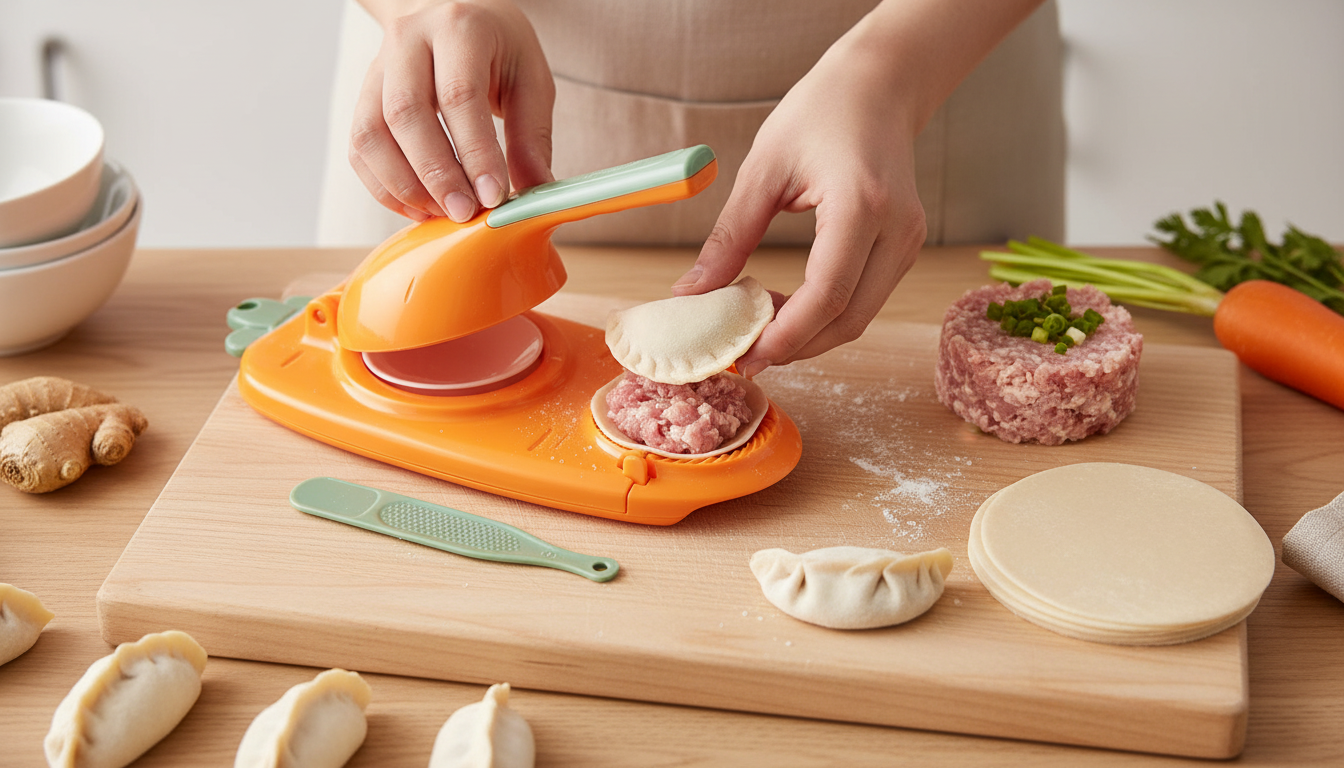
2-in-1 Dumpling Maker: Faster Folding, Cleaner Seals, Better Batch Cooking
A 2-in-1 dumpling maker streamlines the most time-consuming parts of dumpling night: cutting consistent wrappers and sealing tight pleats without leaking. The result is a quicker workflow, less mess on the counter, and more uniform dumplings that cook evenly—ideal for weeknight batches, freezer prep, and party trays.
What a 2-in-1 Dumpling Maker Does
A 2-in-1 design combines two tasks in one tool: shaping/cutting wrappers and pressing/sealing dumplings. When every wrapper is the same size and thickness, each dumpling cooks on the same timeline—no more half the batch overcooked while thicker ones finish.
Just as important is the seal. A good press helps create a clean edge that holds up in boiling water, steamy baskets, and hot pan-fry sessions where filling expansion can pop weaker folds. It’s a practical tool for potstickers, boiled dumplings, and steamed dumplings (your final shape depends on wrapper size and how you position the fold).
How to Use It: A Quick Batch Workflow
For fast, consistent batches, set up an assembly line and keep moisture under control:
- Prep filling first and chill it briefly so it stays compact and less watery while pressing.
- Portion wrappers: dust lightly with starch/flour to prevent sticking without drying them out.
- Load the mold: place the wrapper flat, add a modest amount of filling in the center, and avoid smearing filling onto the sealing edge.
- Moisten the rim lightly (water or egg white, depending on wrapper type) and press firmly for a complete seal.
- Hold finished dumplings correctly: set on a floured tray and keep covered with a damp towel so edges don’t dry out and crack.
- Cook or freeze: flash-freeze on a tray first, then bag to prevent clumping.
For freezer prep, follow basic food-safety habits—keep raw filling cold, work on a clean surface, and chill/freeze promptly. The CDC’s “Clean, Separate, Cook, Chill” overview is a useful refresher for home prep: https://www.cdc.gov/food-safety/prevention/index.html.
Wrapper and Filling Pairings That Seal Well
Seal quality depends as much on your wrapper and filling as the press itself. Thicker wrappers tolerate heavier fillings and firmer pressure; thinner wrappers need a gentler hand and smaller portions. The biggest enemy is excess moisture: watery vegetable juice or overly loose fillings weaken the edge and create steam pockets that push the seam apart.
- Keep fillings cohesive: salt watery vegetables (like cabbage or zucchini), wait a few minutes, then squeeze out liquid.
- Use helpful binders: minced shrimp, ground pork, tofu, egg, or a small amount of starch can tighten the mixture so it presses cleanly.
- Balance flavor simply: salt + aromatics (garlic/ginger/scallion) + a little fat (sesame oil/ground meat) + umami (soy sauce/mushroom).
Filling Ideas and Best Cooking Methods
| Filling type | Why it works | Best cooking method |
|---|---|---|
| Pork + chive/cabbage | Naturally cohesive; fats help stay juicy | Pan-fry then steam (potsticker style) |
| Chicken + scallion + ginger | Lean but binds well when mixed thoroughly | Steam or boil |
| Shrimp + pork | Springy texture; seals cleanly | Steam |
| Mushroom + tofu | Plant-based option; add starch to reduce crumbling | Pan-fry or steam |
| Kimchi + pork | Bold flavor; squeeze kimchi to reduce liquid | Pan-fry then steam |
If you want a deeper dive on technique (especially sealing and avoiding blowouts), this Serious Eats dumpling guide is a helpful reference: https://www.seriouseats.com/dumplings-recipes-5117287.
Choosing the Right Dough and Wrapper Thickness
Store-bought round wrappers are the fastest route to consistent results. For boiling, a slightly thicker wrapper is more forgiving—thin skins can tear when they bump around in the pot. For pan-frying, medium thickness works well: sturdy enough for a crisp bottom, but not doughy after steaming.
For freezer batches, err on the thicker side. Frozen wrappers can become brittle at the edge, and a bit more thickness reduces cracking during storage and cooking. For best freezing practices and quality tips, the USDA’s freezing guidance is a solid resource: https://www.fsis.usda.gov/food-safety/safe-food-handling-and-preparation/food-safety-basics/freezing-and-food-safety.
Common Problems and Simple Fixes
Care, Cleaning, and Storage
If you don’t have a small brush, a gentle, soft-bristle option can help get into tight grooves—something like the Triple-Sided Ultra-Fine Soft Bristle Toothbrush for Enhanced Oral Health can work as a dedicated cleaning brush when kept separate from personal-care use.
A Simple Option for Quick Dumpling Nights
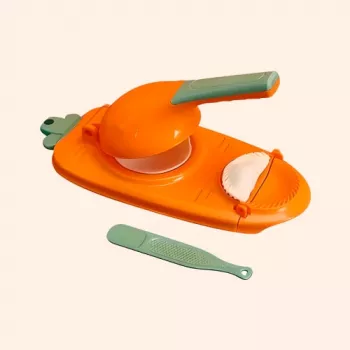
For dipping, keep it simple: soy sauce + black vinegar, chili crisp, or a sesame-garlic sauce. And for a tool that keeps batches consistent, the 2-in-1 Dumpling Maker is an easy, budget-friendly upgrade for dumpling nights.
If you like following recipes on your phone while your hands are floured, a hands-free setup can keep screens cleaner—consider the Universal Car Steering Wheel Phone Mount for Safe Navigation as a simple mount option for viewing steps and timers away from the prep zone.
FAQ
What is the best filling to use with a dumpling maker?
The best fillings are cohesive and not too wet, such as pork with cabbage/chive, chicken with scallion and ginger, shrimp with pork, or tofu with mushrooms plus a little starch. Squeeze moisture from vegetables, keep the wrapper rim clean, and don’t overfill so the press can seal tightly.
What is a dumpling maker called?
Common names include dumpling press, dumpling mold, and dumpling wrapper cutter. A combined cutter-and-press design is often sold as a 2-in-1 dumpling maker, and similar tools may also be labeled as an empanada press.
Recommended for you
Was this article helpful?
Yes
No









Leave a comment