-
Shop
- Advanced Technologies
- AI Skills for Creators & Freelancers
- AI Client Management
- AI Ethics
- AI Mindset
- AI Tools & Prompts
- AI Writing & Content Creation
- Audio, Voice & Music
- Design & Visual Creation
- Email, Messaging & Communication
- Freelancing & Business
- Marketing, Ads & Conversion
- Productivity, Workflow & Automation
- SEO & Search Optimization
- Social Media Content & Growth
- Strategy, Planning & Analytics
- Video Creation & Editing
- AI Skills Mastery 2026 Collection
- Bathroom
- Best-Sellers
- Car Accessories
- Confidence
- Dating & Social Skills
- Digital Resources
- Easter Products
- Education & Learning
- Family & Parenting
- Fashion
- Fashion Accessories
- Furniture
- Gadgets
- Health & Beauty
- Health & Wellness
- Home & Garden
- Home Electronics
- Home Supplies
- Jewelry
- Kids & Babies
- Kitchen
- Lighting
- Patio, Lawn & Garden
- Personal Growth
- Pet Care
- Pet Supplies
- Pets
- Shoes
- Smart Home Living Guides
- Sport & Outdoors
- Stress Relief & Relaxation
- Super Deals
- TikTok Growth & Monetization Mastery
- Travel
- Travel & Adventure
- Wealth
- Wellness
Keep Mental Health Good: Daily Habits That Really Help
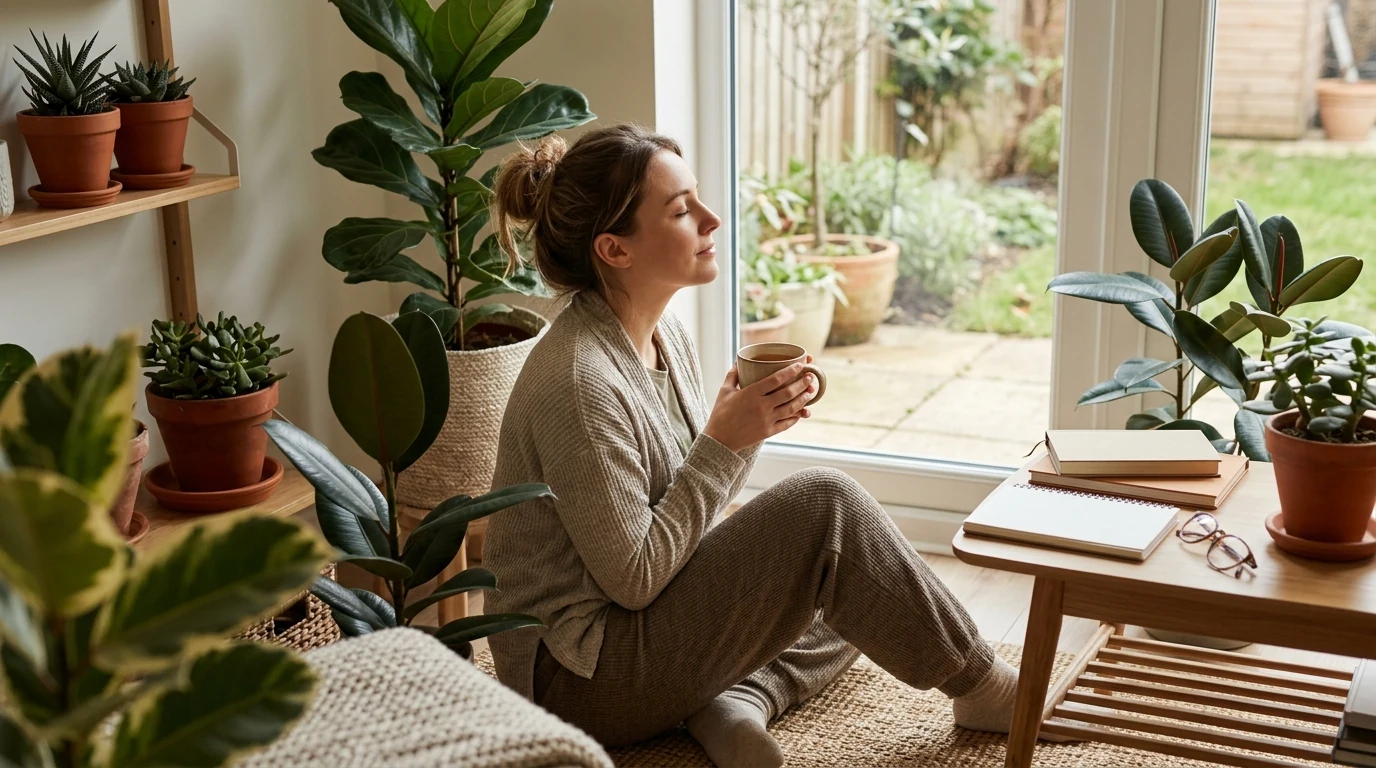
How to keep mental health good?
Keeping mental health in a good place usually comes down to steady, repeatable habits—small actions that help your brain recover from stress and stay flexible during busy seasons. Focus on the basics first: consistent sleep and wake times, regular meals, movement most days, and daily connection with at least one supportive person.
Next, build in a “reset” practice you can do even when motivation is low. Many people find creative routines especially effective because they calm the nervous system while giving the mind something gentle to focus on. A simple example is mindful painting: setting aside 10–20 minutes, limiting distractions, and paying attention to color, brush pressure, and breathing. If that sounds appealing, this guide to painting for a calm mind offers a practical way to turn art into a stress-relief habit: https://ulorin.com/guide-painting-for-calm-mindful-brushstrokes-stress-relief/.
To keep your mental health strong over time, try these anchor strategies:
- Protect sleep: Dim screens at night, keep your room cool, and get morning daylight when possible.
- Move for mood: A brisk walk, yoga, or light strength training can reduce stress hormones and improve focus.
- Practice emotional “name it to tame it”: Labeling feelings (anxious, disappointed, overwhelmed) can reduce intensity.
- Limit doom-scrolling: Set app timers or create no-phone windows (first 30 minutes after waking, last 60 before bed).
- Stay connected: One honest conversation a week is protective, even if it’s short.
If symptoms like persistent hopelessness, panic, or sleep disruption last more than a couple weeks—or interfere with work, relationships, or safety—professional support is a strong next step. Therapy, coaching, and medical care can be life-changing tools, not last resorts.
For Keep Mental Health Good: Daily Habits That Really Help, the best answer depends on fit, material, care instructions, and how the product will be used day to day.
FAQ
What are some quick ways to reduce stress during the day?
Try a 60-second reset: inhale for 4 counts, exhale for 6 counts, and relax your shoulders as you breathe out. A short walk, a glass of water, or 5 minutes of stretching can also lower tension fast.
Recommended for you



Was this article helpful?
Yes
No









Leave a comment