-
Shop
- Advanced Technologies
- AI Skills for Creators & Freelancers
- AI Client Management
- AI Ethics
- AI Mindset
- AI Tools & Prompts
- AI Writing & Content Creation
- Audio, Voice & Music
- Design & Visual Creation
- Email, Messaging & Communication
- Freelancing & Business
- Marketing, Ads & Conversion
- Productivity, Workflow & Automation
- SEO & Search Optimization
- Social Media Content & Growth
- Strategy, Planning & Analytics
- Video Creation & Editing
- AI Skills Mastery 2026 Collection
- Bathroom
- Best-Sellers
- Car Accessories
- Confidence
- Dating & Social Skills
- Digital Resources
- Easter Products
- Education & Learning
- Family & Parenting
- Fashion
- Fashion Accessories
- Furniture
- Gadgets
- Health & Beauty
- Health & Wellness
- Home & Garden
- Home Electronics
- Home Supplies
- Jewelry
- Kids & Babies
- Kitchen
- Lighting
- Patio, Lawn & Garden
- Personal Growth
- Pet Care
- Pet Supplies
- Pets
- Shoes
- Smart Home Living Guides
- Sport & Outdoors
- Stress Relief & Relaxation
- Super Deals
- TikTok Growth & Monetization Mastery
- Travel
- Travel & Adventure
- Wealth
- Wellness
Dr. Martens Leather Sandal Fit: Heel Security & Toe Room
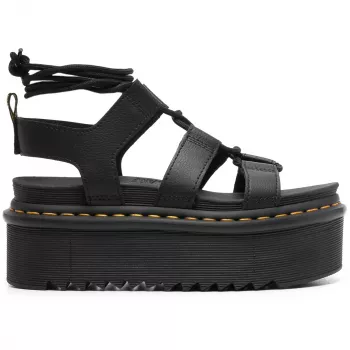
How should Dr. Martens leather sandals fit in the heel and toe area?
Dr. Martens leather sandals should feel secure at the heel and comfortably roomy at the toes. In the heel area, aim for minimal lift when you walk—slight movement can happen in open-back styles, but your heel shouldn’t slide side-to-side or pop up with every step. If you’re seeing rubbing at the back edge or feeling your foot “swim,” the straps are likely too loose or the size is too big.
Up front, your toes should sit fully on the footbed without hanging over the edge. A good fit leaves a small buffer of space between your longest toe and the front edge so you don’t bump the lip of the sole while walking. Your toes also shouldn’t feel squeezed by the front strap; leather will soften with wear, but it won’t magically fix a fit that’s clearly too tight across the toe area.
What a “right fit” feels like on day one
Expect the leather to feel firm at first, especially around the toe strap and any cross-straps. That initial stiffness is normal, but pain, numbness, or pinching at the toes isn’t. At the heel, you want a stable landing—your foot should feel centered on the footbed, not shifting backward so far that you’re constantly readjusting.
Quick fit checks to do at home
Stand with full weight on both feet: your toes should stay inside the perimeter of the footbed, and your heel should not sit on the very back edge. Then take a short walk: if your heel repeatedly lifts high or you feel your toes hitting the front, try adjusting straps (if the style allows) or consider sizing changes.
For more fit and comfort tips across popular styles, visit the full guide here: https://ulorin.com/guide-dr-martens-womens-leather-sandals-fit-comfort-care/.
FAQ
Do Dr. Martens leather sandals stretch over time?
Yes—leather straps typically soften and relax with wear, especially in high-pressure areas like the toe strap. They may feel less stiff, but you shouldn’t count on significant size changes if your toes are already cramped.
Recommended for you


Was this article helpful?
Yes
No









Leave a comment