-
Shop
- Advanced Technologies
- AI Skills for Creators & Freelancers
- AI Client Management
- AI Ethics
- AI Mindset
- AI Tools & Prompts
- AI Writing & Content Creation
- Audio, Voice & Music
- Design & Visual Creation
- Email, Messaging & Communication
- Freelancing & Business
- Marketing, Ads & Conversion
- Productivity, Workflow & Automation
- SEO & Search Optimization
- Social Media Content & Growth
- Strategy, Planning & Analytics
- Video Creation & Editing
- AI Skills Mastery 2026 Collection
- Bathroom
- Best-Sellers
- Car Accessories
- Confidence
- Dating & Social Skills
- Digital Resources
- Easter Products
- Education & Learning
- Family & Parenting
- Fashion
- Fashion Accessories
- Furniture
- Gadgets
- Health & Beauty
- Health & Wellness
- Home & Garden
- Home Electronics
- Home Supplies
- Jewelry
- Kids & Babies
- Kitchen
- Lighting
- Patio, Lawn & Garden
- Personal Growth
- Pet Care
- Pet Supplies
- Pets
- Shoes
- Smart Home Living Guides
- Sport & Outdoors
- Stress Relief & Relaxation
- Super Deals
- TikTok Growth & Monetization Mastery
- Travel
- Travel & Adventure
- Wealth
- Wellness
Dr. Martens Women’s Leather Sandals: Fit, Comfort & Care
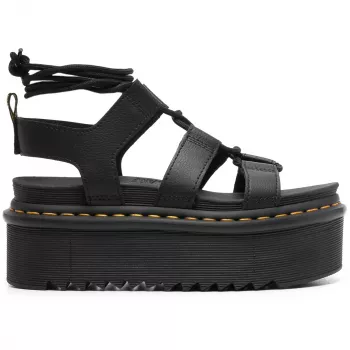
Dr. Martens Women’s Leather Sandals: Durable Comfort for Warm-Weather Wear
Leather sandals from Dr. Martens lean into what the brand is known for: tough materials, supportive soles, and hardware that’s meant to hold up when you’re actually putting in steps. If you want a warm-weather option that feels more stable than thin, flat fashion sandals, this style category is often a strong fit. Below are the key features to look for, what to expect from the fit over time, and straightforward care habits that help leather look better as it wears in.
What Makes These Sandals Stand Out
Dr. Martens sandals tend to feel more “built” than many summer pairs, and that’s exactly the point. The leather uppers are designed for repeated wear and usually mold gradually to your foot instead of stretching out and losing structure after a few outings.
- Leather uppers that settle in over time: Expect a firmer feel at first, followed by a more personalized fit as the leather softens.
- Chunkier sole profiles: Many designs prioritize stability and shock absorption, making them better suited to pavement and long days than ultra-minimal soles.
- Adjustable straps and sturdy buckles: Strap adjustability helps fine-tune fit for high insteps, narrower heels, and “in-between” foot shapes.
- Easy-to-style edge: The silhouette works with denim, linen sets, sundresses, and streetwear staples—without reading overly delicate.
Quick Product Snapshot
For shoppers who want one pair to carry most casual summer days, these sandals are typically best thought of as a daily-wear option with a supportive underfoot feel that improves after a short break-in.
- Best for: everyday walking, travel days, city errands, casual evenings
- Style direction: utility-inspired sandal with an edge; works with relaxed and structured outfits
- Comfort profile: supportive feel that often improves after a brief break-in period
| Item | Details |
|---|---|
| Product | Dr. Martens Women’s Leather Sandals |
| Price | $69.51 USD |
| Availability | In stock |
| Ideal use | Daily casual wear, travel, warm-weather walking |
| Care focus | Condition leather, protect from heavy soaking, clean and dry properly |
Fit and Sizing: Getting the Right Feel
Getting sandals to feel secure without rubbing is mostly about dialing in length and strap tension. Leather can be forgiving, but the goal is a stable, no-slide fit from the start.
- Start with length: Your toes should sit comfortably without pressing the front edge when you walk (especially downhill or on stairs).
- Check strap placement: Straps should hold the foot firmly without pinching; adjust to reduce heel slip and side-to-side movement.
- Expect a break-in: Leather may feel stiff initially and then soften. Keep first-day distances short to avoid hotspots.
- If you’re between sizes: Prioritize a stable heel hold and follow the specific listing’s fit notes when available. A sandal that’s slightly long can still work if the straps lock the foot in place, but too much movement usually leads to rubbing.
Comfort and Support for Daily Walking
For extended walking, the difference is usually underfoot. A sturdier sole can make hard surfaces feel less punishing, especially on travel days that include lots of standing in lines, walking between neighborhoods, or navigating transit.
- Sole construction matters: Supportive, thicker soles are often more comfortable for pavement and longer days than thin, flat sandals.
- Secure fit prevents friction: If your foot slides forward on inclines, tighten straps slightly to reduce toe pressure and forefoot rubbing.
- For sensitive feet: Use blister-prevention patches for the first few wears and avoid damp conditions until the straps have softened.
- For travel packing: The chunkier profile can take more space than minimalist sandals, but many people trade that for reduced fatigue on hard surfaces.
For general blister prevention and footwear comfort basics, guidance from the American Podiatric Medical Association is a helpful reference point.
Styling Ideas: From City Errands to Weekends Away
These sandals tend to add structure to warm-weather outfits—useful when you want something casual that still looks intentional.
- Everyday casual: Straight-leg jeans, a white tee, and an oversized button-down. The sandals add visual weight that balances relaxed layers.
- Warm-weather polish: Pair with a midi dress or linen trousers and let the buckles/hardware be the statement.
- Festival and streetwear: Shorts, a graphic tee, and a light jacket. A crossbody bag helps keep the look streamlined.
- Office-casual (where permitted): Ankle-length trousers and a relaxed blazer, with minimal accessories to balance the rugged sole.
If your warm-weather rotation needs a closed-toe alternative for long transit days or cooler evenings, consider keeping a sneaker option on hand like Armani Exchange Men’s Sneakers for a quick swap when conditions change.
Leather Care and Longevity Tips
For brand-specific recommendations, consult Dr. Martens — Product Care. For broader background on responsible leather practices and materials, the Leather Working Group is a useful resource.
Who These Sandals Are Best For
If you’re pulling together a practical travel kit, small add-ons can help on the road—like a Universal Car Steering Wheel Phone Mount for Safe Navigation for navigation days or a Triple-Sided Ultra-Fine Soft Bristle Toothbrush for easy packing.
FAQ
Do Dr. Martens leather sandals need a break-in period?
Yes. The leather and straps can feel firm at first, so start with short wears, then gradually increase time and distance. Blister-prevention patches can help during the first few outings.
How should leather sandals be cleaned after getting wet?
Wipe off moisture and any dirt, then let them air-dry away from direct heat. Once fully dry, condition lightly to help restore suppleness and reduce dryness.
Are these sandals good for all-day walking?
They can be, especially because the supportive sole and secure straps tend to work well on hard surfaces. Comfort depends heavily on getting the straps adjusted correctly and allowing a short break-in period.
Recommended for you


Was this article helpful?
Yes
No









Leave a comment