-
Shop
- Advanced Technologies
- AI Skills for Creators & Freelancers
- AI Client Management
- AI Ethics
- AI Mindset
- AI Tools & Prompts
- AI Writing & Content Creation
- Audio, Voice & Music
- Design & Visual Creation
- Email, Messaging & Communication
- Freelancing & Business
- Marketing, Ads & Conversion
- Productivity, Workflow & Automation
- SEO & Search Optimization
- Social Media Content & Growth
- Strategy, Planning & Analytics
- Video Creation & Editing
- AI Skills Mastery 2026 Collection
- Bathroom
- Best-Sellers
- Car Accessories
- Confidence
- Dating & Social Skills
- Digital Resources
- Easter Products
- Education & Learning
- Family & Parenting
- Fashion
- Fashion Accessories
- Furniture
- Gadgets
- Health & Beauty
- Health & Wellness
- Home & Garden
- Home Electronics
- Home Supplies
- Jewelry
- Kids & Babies
- Kitchen
- Lighting
- Patio, Lawn & Garden
- Personal Growth
- Pet Care
- Pet Supplies
- Pets
- Shoes
- Smart Home Living Guides
- Sport & Outdoors
- Stress Relief & Relaxation
- Super Deals
- TikTok Growth & Monetization Mastery
- Travel
- Travel & Adventure
- Wealth
- Wellness
Mindful Communication: De-escalate Tense Conversations
How can I de-escalate a tense conversation using mindful communication?
Mindful communication de-escalates tension by slowing the pace, lowering the emotional temperature, and keeping both people oriented toward clarity instead of winning. Start by regulating your body first: take one slow breath, relax your jaw, and soften your voice. If you’re already flooded, name it without blame: “I’m getting worked up and I want to handle this well.” That single sentence often reduces defensiveness.
Next, switch from assumptions to observations. Use specific, neutral language (“When you said X…” rather than “You always…”). Then reflect what you heard before responding: “So you’re feeling ignored because I didn’t reply earlier—did I get that right?” Validation is not agreement; it’s signaling that their experience makes sense. People calm down faster when they feel understood.
After reflecting, ask a grounding question that invites collaboration: “What would feel fair here?” or “What do you need from me in the next five minutes?” Keep your requests concrete and time-bound. If the conversation is spiraling, propose a structured pause: “Can we take 10 minutes and come back to this at 3:30?” The key is to commit to returning, so the pause doesn’t feel like abandonment.
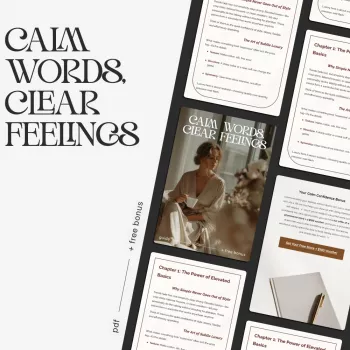
Finally, own your part succinctly and state your boundary kindly. “I can talk about this, and I’m not able to do it while we’re yelling.” If you want a deeper walkthrough on staying calm and honest without shutting down or exploding, read this guide to emotional clarity and calm conversations.
For Mindful Communication: De-escalate Tense Conversations, the best answer depends on fit, material, care instructions, and how the product will be used day to day.
FAQ
What should I say if I’m too angry to talk?
Say you want to continue but need a short reset: “I’m too angry to talk productively right now. I’m going to take 15 minutes to calm down and then come back.” Offer a specific time to resume so it feels safe and respectful.
Recommended for you


Was this article helpful?
Yes
No









Leave a comment