-
Shop
- Advanced Technologies
- AI Skills for Creators & Freelancers
- AI Client Management
- AI Ethics
- AI Mindset
- AI Tools & Prompts
- AI Writing & Content Creation
- Audio, Voice & Music
- Design & Visual Creation
- Email, Messaging & Communication
- Freelancing & Business
- Marketing, Ads & Conversion
- Productivity, Workflow & Automation
- SEO & Search Optimization
- Social Media Content & Growth
- Strategy, Planning & Analytics
- Video Creation & Editing
- AI Skills Mastery 2026 Collection
- Bathroom
- Best-Sellers
- Car Accessories
- Confidence
- Dating & Social Skills
- Digital Resources
- Easter Products
- Education & Learning
- Family & Parenting
- Fashion
- Fashion Accessories
- Furniture
- Gadgets
- Health & Beauty
- Health & Wellness
- Home & Garden
- Home Electronics
- Home Supplies
- Jewelry
- Kids & Babies
- Kitchen
- Lighting
- Patio, Lawn & Garden
- Personal Growth
- Pet Care
- Pet Supplies
- Pets
- Shoes
- Smart Home Living Guides
- Sport & Outdoors
- Stress Relief & Relaxation
- Super Deals
- TikTok Growth & Monetization Mastery
- Travel
- Travel & Adventure
- Wealth
- Wellness
Why Kids Avoid Cleaning Their Rooms: Real Reasons & Fixes
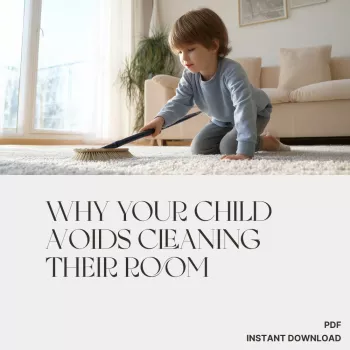
Why do kids hate cleaning their rooms?
Many kids don’t truly “hate” cleaning their rooms—they hate what cleaning represents: a boring task with unclear steps, no immediate payoff, and a feeling of lost control. From a child’s perspective, their room is a personal world of projects, treasures, and half-finished ideas. When an adult labels that world “messy,” it can feel like criticism rather than a simple request to tidy up.
Another big reason is overwhelm. A messy room looks like one giant problem, and kids often struggle to break it into smaller, doable actions. If they don’t know where things belong (or if storage is inconvenient), the task becomes frustrating fast. Some children also have trouble with planning and follow-through, especially if they’re tired, hungry, or transitioning from a preferred activity.
There’s also the motivation gap: cleaning is a delayed-reward chore. The payoff (a neat room) matters more to adults than to kids, who tend to focus on what feels fun or urgent right now. If cleaning has turned into a power struggle, the resistance can become automatic—less about the room and more about autonomy.
Practical fixes usually help: simplify the “end state,” make homes for items obvious, set a short timer, and give a clear first step (like “put all dirty clothes in the hamper”). If you want a deeper, parent-friendly breakdown—plus strategies that reduce arguing and boost follow-through—see the full guide here: why kids resist cleaning their room.
For Why Kids Avoid Cleaning Their Rooms: Real Reasons & Fixes, the best answer depends on fit, material, care instructions, and how the product will be used day to day.
Checking those details first helps avoid a poor match and keeps the choice practical after delivery.
FAQ
How can I get my child to clean their room without a fight?
Give one simple starting instruction, set a short time limit, and stay nearby to coach rather than criticize. Keeping expectations small and consistent reduces pushback over time.
Recommended for you



Was this article helpful?
Yes
No









Leave a comment