-
Shop
- Advanced Technologies
- AI Skills for Creators & Freelancers
- AI Client Management
- AI Ethics
- AI Mindset
- AI Tools & Prompts
- AI Writing & Content Creation
- Audio, Voice & Music
- Design & Visual Creation
- Email, Messaging & Communication
- Freelancing & Business
- Marketing, Ads & Conversion
- Productivity, Workflow & Automation
- SEO & Search Optimization
- Social Media Content & Growth
- Strategy, Planning & Analytics
- Video Creation & Editing
- AI Skills Mastery 2026 Collection
- Bathroom
- Best-Sellers
- Car Accessories
- Confidence
- Dating & Social Skills
- Digital Resources
- Easter Products
- Education & Learning
- Family & Parenting
- Fashion
- Fashion Accessories
- Furniture
- Gadgets
- Health & Beauty
- Health & Wellness
- Home & Garden
- Home Electronics
- Home Supplies
- Jewelry
- Kids & Babies
- Kitchen
- Lighting
- Patio, Lawn & Garden
- Personal Growth
- Pet Care
- Pet Supplies
- Pets
- Shoes
- Smart Home Living Guides
- Sport & Outdoors
- Stress Relief & Relaxation
- Super Deals
- TikTok Growth & Monetization Mastery
- Travel
- Travel & Adventure
- Wealth
- Wellness
Best In-Ear Monitor Makers: How to Choose the Right IEM
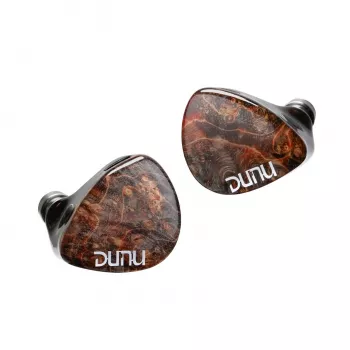
Who makes the best in-ear monitors?
There isn’t one single brand that “makes the best” in-ear monitors (IEMs) for everyone—because the best choice depends on your ear shape, music taste, preferred tuning (bass-forward vs. neutral), and how you’ll use them (stage monitoring, commuting, gaming, or critical listening). What consistently separates the top makers is a repeatable ability to deliver strong driver performance, comfortable shells, reliable quality control, and a tuning approach that matches a real audience.
For many listeners, the “best” IEM brands tend to fall into a few buckets:
- Value-focused innovators: Brands known for aggressive performance-per-dollar often win for everyday buyers who want great sound without flagship pricing.
- Stage and professional heritage: Makers with a long history in live monitoring typically emphasize isolation, fit security, and midrange clarity for vocals and instruments.
- Audiophile specialists: These brands may prioritize timbre accuracy, technical detail, and carefully controlled treble for long sessions.
Instead of chasing a logo, it’s smarter to match a model to your needs. For example, a well-tuned hybrid IEM can be a sweet spot if you want dynamic-driver bass texture plus balanced-armature detail, especially when paired with practical features like swappable cables and comfortable ergonomics.
If you’re deciding between popular modern options, start with a clear target: do you want a warmer, fun tuning for streaming and pop, or a more neutral set for mixing and acoustic recordings? Then narrow by comfort and build—an IEM that doesn’t seal well won’t sound “best” no matter the brand.
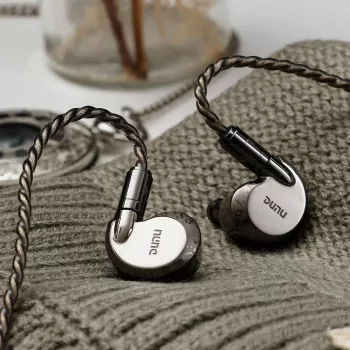
For a concrete shortlist and a deeper breakdown of what to look for in a hybrid set (including design and cable considerations), see the full guide here: hybrid IEMs with swappable cable and wood faceplates.
FAQ
What should I look for when choosing IEMs for music and daily use?
Prioritize comfort and seal first, then pick a tuning that fits your library (more bass for modern genres, more neutral for accuracy). Also check for low noise sensitivity if you use phones, and choose durable cables/connectors for everyday carry.
Recommended for you
Was this article helpful?
Yes
No









Leave a comment