-
Shop
- Advanced Technologies
- AI Skills for Creators & Freelancers
- AI Client Management
- AI Ethics
- AI Mindset
- AI Tools & Prompts
- AI Writing & Content Creation
- Audio, Voice & Music
- Design & Visual Creation
- Email, Messaging & Communication
- Freelancing & Business
- Marketing, Ads & Conversion
- Productivity, Workflow & Automation
- SEO & Search Optimization
- Social Media Content & Growth
- Strategy, Planning & Analytics
- Video Creation & Editing
- AI Skills Mastery 2026 Collection
- Bathroom
- Best-Sellers
- Car Accessories
- Confidence
- Dating & Social Skills
- Digital Resources
- Easter Products
- Education & Learning
- Family & Parenting
- Fashion
- Fashion Accessories
- Furniture
- Gadgets
- Health & Beauty
- Health & Wellness
- Home & Garden
- Home Electronics
- Home Supplies
- Jewelry
- Kids & Babies
- Kitchen
- Lighting
- Patio, Lawn & Garden
- Personal Growth
- Pet Care
- Pet Supplies
- Pets
- Shoes
- Smart Home Living Guides
- Sport & Outdoors
- Stress Relief & Relaxation
- Super Deals
- TikTok Growth & Monetization Mastery
- Travel
- Travel & Adventure
- Wealth
- Wellness
Podiatrist-Recommended Sneakers for Walking: What to Look For
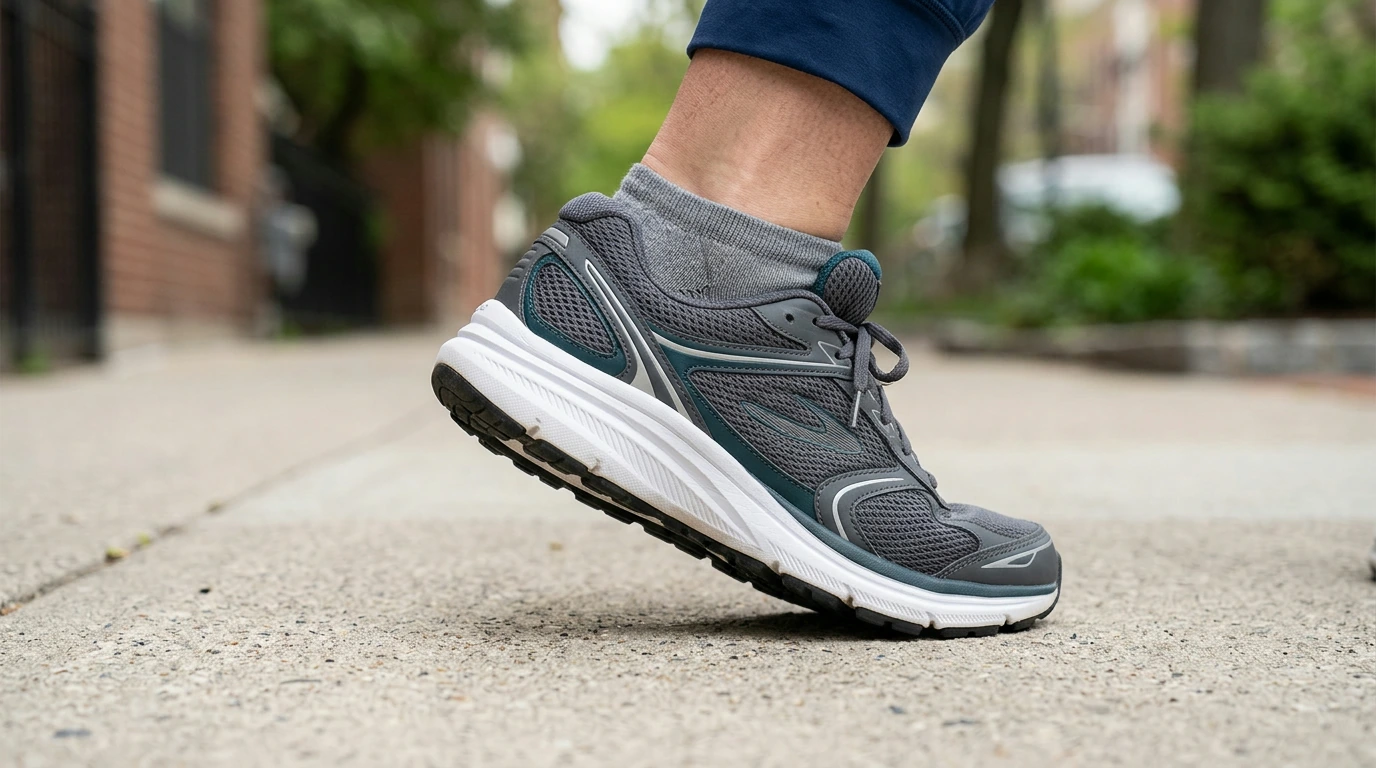
Which sneakers do podiatrists recommend for walking?
Podiatrists typically recommend walking sneakers that prioritize support, stability, and a secure fit over trend-only features. While the best choice depends on foot shape and gait, the most commonly recommended traits are a firm heel counter (to reduce heel wobble), structured arch support, a cushioned-but-not-mushy midsole, and enough toe-box room to let toes spread naturally as you step.
What to look for in a podiatrist-friendly walking sneaker
Stable heel and midfoot: Choose a sneaker with a rigid heel counter and a base that doesn’t twist easily. This helps control overpronation and reduces strain on the plantar fascia and Achilles.
Supportive cushioning: Good walking shoes absorb impact while staying responsive. Overly soft foam can feel comfortable at first but may collapse and increase fatigue on longer walks.
Proper fit and toe room: Aim for about a thumb’s width of space in front of the longest toe and a snug (not tight) midfoot. A wider toe box can help prevent rubbing and pressure on bunions or hammertoes.
Removable insole: Many podiatrists like sneakers that accommodate custom orthotics or a higher-support aftermarket insole.
Style matters, but structure matters more
If you prefer a crisp, everyday look—especially in white leather or leather-like finishes—pay attention to construction. A clean silhouette can still be walking-friendly when it includes a supportive heel, a stable platform, and a secure lacing system. For a practical example of what to check in a fashion-leaning white sneaker (fit tips, comfort notes, and care), see this guide to ASH women’s white sneakers.
Quick fit check before committing
Try on sneakers later in the day (feet swell), walk on hard flooring, and confirm your heel doesn’t slip. If you feel pressure on the big toe joint or the shoe bends sharply in the middle rather than at the ball of the foot, it’s usually a sign to try another pair.
FAQ
How often should you replace walking sneakers?
Most walking sneakers perform best for about 300–500 miles, but replace sooner if the tread is worn, the midsole feels flat, or you notice new aches. Uneven outsole wear and heel collapse are common signs it’s time.
Recommended for you


Was this article helpful?
Yes
No









Leave a comment