-
Shop
- Advanced Technologies
- AI Skills for Creators & Freelancers
- AI Client Management
- AI Ethics
- AI Mindset
- AI Tools & Prompts
- AI Writing & Content Creation
- Audio, Voice & Music
- Design & Visual Creation
- Email, Messaging & Communication
- Freelancing & Business
- Marketing, Ads & Conversion
- Productivity, Workflow & Automation
- SEO & Search Optimization
- Social Media Content & Growth
- Strategy, Planning & Analytics
- Video Creation & Editing
- AI Skills Mastery 2026 Collection
- Bathroom
- Best-Sellers
- Car Accessories
- Confidence
- Dating & Social Skills
- Digital Resources
- Easter Products
- Education & Learning
- Family & Parenting
- Fashion
- Fashion Accessories
- Furniture
- Gadgets
- Health & Beauty
- Health & Wellness
- Home & Garden
- Home Electronics
- Home Supplies
- Jewelry
- Kids & Babies
- Kitchen
- Lighting
- Patio, Lawn & Garden
- Personal Growth
- Pet Care
- Pet Supplies
- Pets
- Shoes
- Smart Home Living Guides
- Sport & Outdoors
- Stress Relief & Relaxation
- Super Deals
- TikTok Growth & Monetization Mastery
- Travel
- Travel & Adventure
- Wealth
- Wellness
AI Wardrobe Inputs for Truly Accurate Outfit Ideas
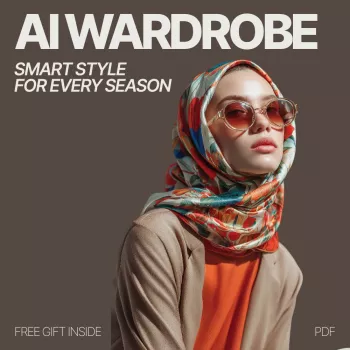
What information should I input into an AI wardrobe to get accurate outfit recommendations?
To get outfit suggestions that feel like they were styled for you (not a generic mannequin), an AI wardrobe needs a mix of body details, lifestyle context, and a clear picture of what you actually own. The more specific your inputs are, the better the recommendations will match your comfort, proportions, and day-to-day needs.
Start with your fit and sizing details
Enter your usual sizes by category (tops, bottoms, dresses, outerwear, shoes), plus any consistent fit issues—like needing petite lengths, broader shoulders, longer sleeves, or a higher rise in jeans. If the app allows measurements, include key ones (bust, waist, hips, inseam) and preferred fit (relaxed, tailored, oversized). This helps the AI avoid outfit ideas that look good in theory but won’t work in real wear.
Add style preferences and “no-go” rules
Share your go-to silhouettes, favorite colors, and patterns you love (or refuse to wear). Include comfort and modesty boundaries, fabric sensitivities, and footwear limits (for example: “no heels over 2 inches” or “only breathable fabrics in summer”). These constraints make recommendations instantly more wearable.
Upload your closet with accurate item data
When adding clothing, include clear photos, brand, color, fabric, and category (e.g., “cropped blazer” vs. “cardigan”). Note details like neckline, sleeve length, hemline, and any standout features (pleats, wrap front, statement buttons). If the AI supports it, tag formality level and seasonality so it doesn’t suggest linen shorts for a winter dinner.
Include lifestyle, location, and occasion cues
Input your typical week (office, travel, school drop-off, events), dress code requirements, and local climate. Add common occasions you want outfits for—work meetings, date nights, weddings, workouts—so the AI can prioritize combinations that match real moments.
For a deeper checklist and tips to speed up setup, visit the main guide here.
FAQ
How do I organize my closet in an AI wardrobe app?
Group items by type (tops, bottoms, layers, shoes), then refine with tags like season, dressiness, and color. Use consistent naming and remove duplicates so the app can build cleaner, more reliable outfit combinations.
Recommended for you


Was this article helpful?
Yes
No









Leave a comment