-
Shop
- Advanced Technologies
- AI Skills for Creators & Freelancers
- AI Client Management
- AI Ethics
- AI Mindset
- AI Tools & Prompts
- AI Writing & Content Creation
- Audio, Voice & Music
- Design & Visual Creation
- Email, Messaging & Communication
- Freelancing & Business
- Marketing, Ads & Conversion
- Productivity, Workflow & Automation
- SEO & Search Optimization
- Social Media Content & Growth
- Strategy, Planning & Analytics
- Video Creation & Editing
- AI Skills Mastery 2026 Collection
- Bathroom
- Best-Sellers
- Car Accessories
- Confidence
- Dating & Social Skills
- Digital Resources
- Easter Products
- Education & Learning
- Family & Parenting
- Fashion
- Fashion Accessories
- Furniture
- Gadgets
- Health & Beauty
- Health & Wellness
- Home & Garden
- Home Electronics
- Home Supplies
- Jewelry
- Kids & Babies
- Kitchen
- Lighting
- Patio, Lawn & Garden
- Personal Growth
- Pet Care
- Pet Supplies
- Pets
- Shoes
- Smart Home Living Guides
- Sport & Outdoors
- Stress Relief & Relaxation
- Super Deals
- TikTok Growth & Monetization Mastery
- Travel
- Travel & Adventure
- Wealth
- Wellness
Is Suede Leather Real? Facts, Durability & Faux Suede
Is suede leather real leather?
Yes—suede is real leather. It’s made from animal hide, most commonly cow, goat, lamb, or deer, and it becomes “suede” because of how it’s finished, not because it’s a different material. Instead of keeping the smooth outer grain intact, suede uses the inner layer of the hide (or the underside of a split hide), which is buffed to create that soft, velvety nap.
How suede differs from full-grain and top-grain leather
The biggest difference is the surface. Full-grain leather keeps the outer layer of the hide, making it denser and typically more resistant to scuffs and moisture. Suede’s fuzzy nap looks and feels premium, but the raised fibers can trap dirt and show marks more easily. That’s why suede is often chosen for items where touch and appearance matter—like footwear, gloves, and accessories—rather than heavy-wear work gear.
Is suede durable?
Suede can be durable, but it’s usually less abrasion- and water-resistant than grain leathers. With regular brushing, occasional spot cleaning, and a quality suede protector spray, it can hold up well for everyday use. However, it’s best to keep suede away from heavy rain, oily spills, and rough friction if you want it looking fresh.
What “faux suede” means
Because suede is popular, many products use faux suede, which is a synthetic fabric designed to mimic suede’s texture. Faux suede isn’t leather and won’t age the same way. If a product description says “suede leather,” it’s real leather; if it says “faux,” “PU,” “microfiber,” or “synthetic suede,” it’s not.
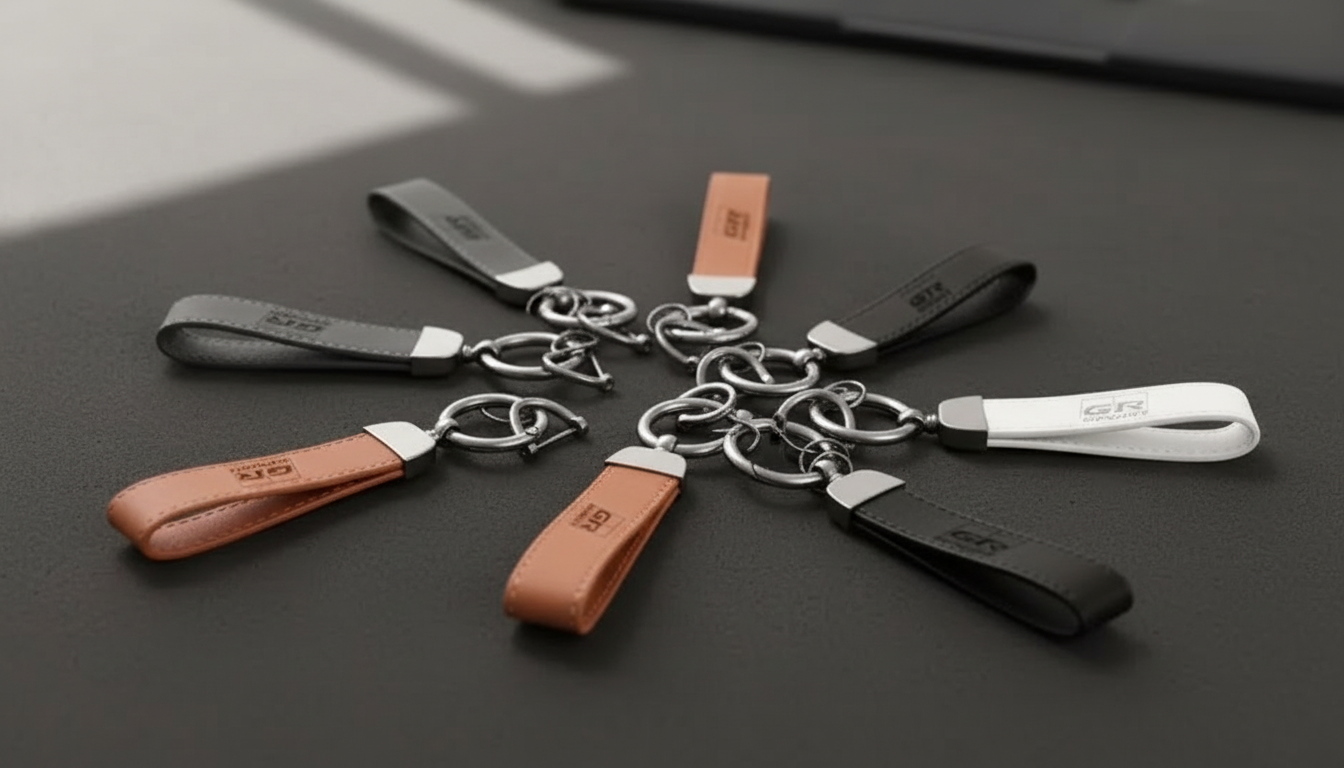
For a closer look at suede as a material choice for accessories—especially automotive-themed pieces—visit this guide on a Toyota GR suede keychain with a 3D imprint.
FAQ
How do you clean suede leather without ruining it?
Start with a suede brush to lift the nap and remove dry dirt, then use a suede eraser for scuffs. For small spots, dab lightly with a barely damp cloth and let it air-dry, then brush again to restore texture.
Recommended for you


Was this article helpful?
Yes
No









Leave a comment