-
Shop
- Advanced Technologies
- AI Skills for Creators & Freelancers
- AI Client Management
- AI Ethics
- AI Mindset
- AI Tools & Prompts
- AI Writing & Content Creation
- Audio, Voice & Music
- Design & Visual Creation
- Email, Messaging & Communication
- Freelancing & Business
- Marketing, Ads & Conversion
- Productivity, Workflow & Automation
- SEO & Search Optimization
- Social Media Content & Growth
- Strategy, Planning & Analytics
- Video Creation & Editing
- AI Skills Mastery 2026 Collection
- Bathroom
- Best-Sellers
- Car Accessories
- Confidence
- Dating & Social Skills
- Digital Resources
- Easter Products
- Education & Learning
- Family & Parenting
- Fashion
- Fashion Accessories
- Furniture
- Gadgets
- Health & Beauty
- Health & Wellness
- Home & Garden
- Home Electronics
- Home Supplies
- Jewelry
- Kids & Babies
- Kitchen
- Lighting
- Patio, Lawn & Garden
- Personal Growth
- Pet Care
- Pet Supplies
- Pets
- Shoes
- Smart Home Living Guides
- Sport & Outdoors
- Stress Relief & Relaxation
- Super Deals
- TikTok Growth & Monetization Mastery
- Travel
- Travel & Adventure
- Wealth
- Wellness
Is Silicone Safe With Heat? Limits, Tips, and Warning Signs
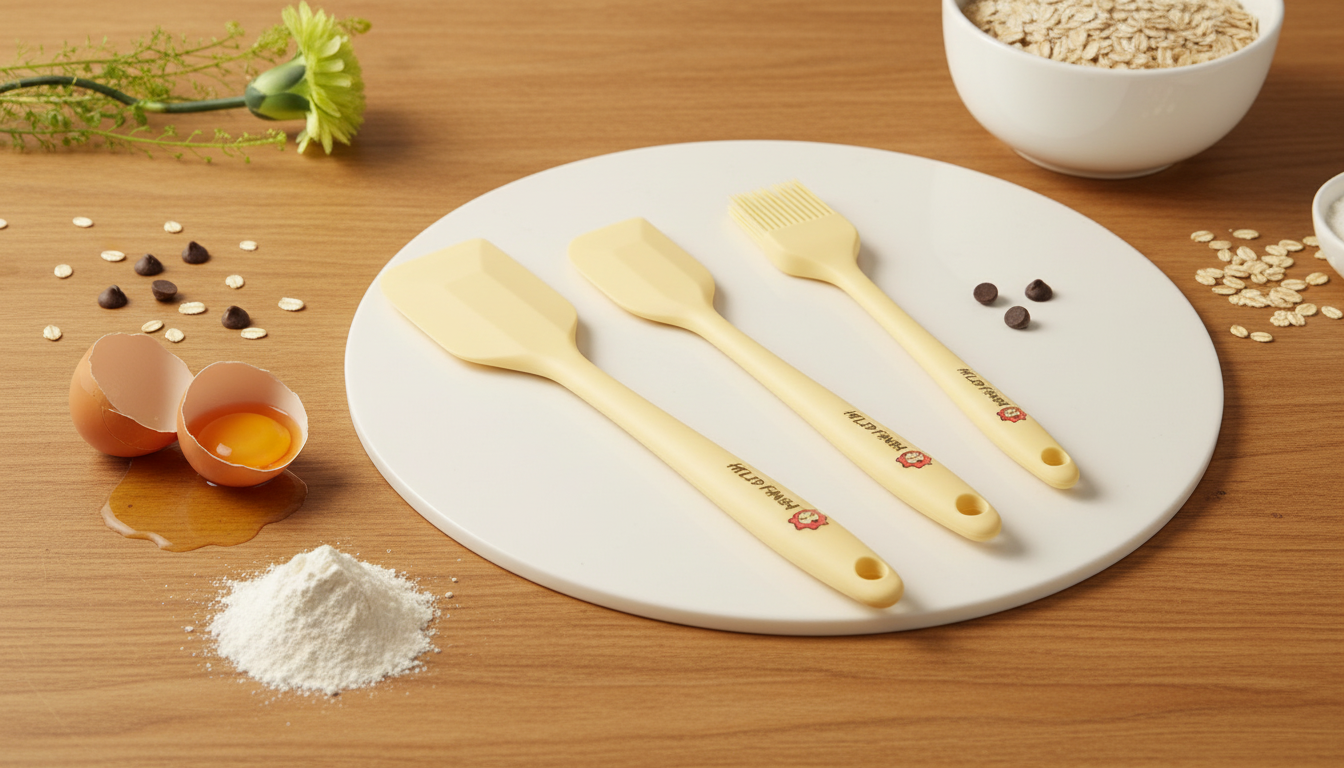
Is silicone safe to use with heat?
Silicone is generally safe to use with heat when it’s high-quality, food-grade silicone and it’s used within the temperature limits set by the manufacturer. Many silicone kitchen tools—like spatulas, baking mats, and oven mitts—are designed to tolerate common cooking temperatures without melting, warping, or releasing harmful substances. The key is matching the silicone item to the heat source and avoiding misuse that pushes it past its rated range.
Silicone performs well in ovens, microwaves, and dishwashers because it’s flexible, stable, and resistant to moisture. However, it can still be damaged by direct contact with heating elements, open flames, broiler settings, or the hottest spots on cookware (like a pan left empty on high heat). When overheated, silicone may discolor, become sticky, or develop an odor—signs it’s time to replace the item.
What makes silicone heat-safe (or not)?
Heat safety depends on the silicone formulation and any fillers used. Food-grade and platinum-cured silicone products tend to have better performance and fewer odors than lower-grade options. Cheaper items may include additives that reduce heat tolerance or cause faster deterioration over time, especially with repeated high-heat use.
How to use silicone safely around high temperatures
Start by checking the product’s stated temperature rating and use it accordingly. Keep silicone tools away from direct flames and don’t rest them on hot burners or grill grates. For baking, ensure silicone molds sit on a sturdy tray for support and even heating. If a silicone item becomes tacky, cracked, or unusually smelly after heating, discontinue use.
For a deeper breakdown of heat limits, use cases, and what to watch for, visit the full guide here: Is Silicone Safe to Use With Heat?.
FAQ
Does silicone leach chemicals into food when heated?
High-quality food-grade silicone is designed to be stable at typical cooking temperatures and is not expected to leach chemicals under normal use. Problems are more likely with low-quality products, overheating, or direct contact with flames or heating elements.
Recommended for you


Was this article helpful?
Yes
No









Leave a comment