-
Shop
- Advanced Technologies
- AI Skills for Creators & Freelancers
- AI Client Management
- AI Ethics
- AI Mindset
- AI Tools & Prompts
- AI Writing & Content Creation
- Audio, Voice & Music
- Design & Visual Creation
- Email, Messaging & Communication
- Freelancing & Business
- Marketing, Ads & Conversion
- Productivity, Workflow & Automation
- SEO & Search Optimization
- Social Media Content & Growth
- Strategy, Planning & Analytics
- Video Creation & Editing
- AI Skills Mastery 2026 Collection
- Bathroom
- Best-Sellers
- Car Accessories
- Confidence
- Dating & Social Skills
- Digital Resources
- Easter Products
- Education & Learning
- Family & Parenting
- Fashion
- Fashion Accessories
- Furniture
- Gadgets
- Health & Beauty
- Health & Wellness
- Home & Garden
- Home Electronics
- Home Supplies
- Jewelry
- Kids & Babies
- Kitchen
- Lighting
- Patio, Lawn & Garden
- Personal Growth
- Pet Care
- Pet Supplies
- Pets
- Shoes
- Smart Home Living Guides
- Sport & Outdoors
- Stress Relief & Relaxation
- Super Deals
- TikTok Growth & Monetization Mastery
- Travel
- Travel & Adventure
- Wealth
- Wellness
Clean & Brush a Suede Keychain: Keep It Like New
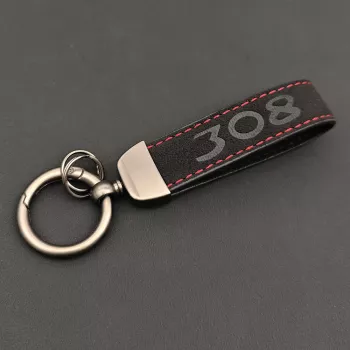
How do you clean and brush suede leather on a keychain to keep it looking new?
Suede on a keychain gets handled constantly, so the goal is to lift dirt before it grinds into the nap and to restore the soft, even texture after each cleanup. Start by removing the keychain from your keys so you can work on the suede without scraping hardware across it. If the suede is damp, let it air-dry fully at room temperature—no hair dryers or direct sunlight, which can stiffen and fade it.
For routine maintenance, use a clean suede brush (or a soft-bristle brush made for suede) and brush with light pressure. Work in one direction first to remove surface dust, then use short, gentle back-and-forth strokes to lift the nap. Rotate the keychain as you go so you brush evenly across edges and corners, where oils and grime build up fastest.
For spot cleaning, a suede eraser is the safest first step. Rub the mark lightly, then brush again to blend the area back into the surrounding suede. If you don’t have an eraser, a clean white pencil eraser can work in a pinch—avoid colored erasers that can transfer dye. For stubborn scuffs, use the brush a bit more firmly, but stop if the fibers start to look flattened or shiny.
If the suede has oily smudges from frequent handling, sprinkle a small amount of cornstarch or talc on the spot, let it sit for several hours (or overnight), then brush it off. This helps pull oils out of the fibers without soaking the leather.
To keep it looking new longer, store the keychain away from loose change and sharp keys that can snag the nap, and give it a quick brush every week or two. For more care tips specific to luxury suede leather accessories, visit this suede leather keychain guide.
FAQ
Should you use water to clean suede?
Use water sparingly, if at all. Light moisture can help with certain marks, but too much can leave rings and stiffen the nap—dry clean methods like brushing, erasing, and oil-absorbing powders are usually safer.
Recommended for you


Was this article helpful?
Yes
No









Leave a comment