-
Shop
- Advanced Technologies
- AI Skills for Creators & Freelancers
- AI Client Management
- AI Ethics
- AI Mindset
- AI Tools & Prompts
- AI Writing & Content Creation
- Audio, Voice & Music
- Design & Visual Creation
- Email, Messaging & Communication
- Freelancing & Business
- Marketing, Ads & Conversion
- Productivity, Workflow & Automation
- SEO & Search Optimization
- Social Media Content & Growth
- Strategy, Planning & Analytics
- Video Creation & Editing
- AI Skills Mastery 2026 Collection
- Bathroom
- Best-Sellers
- Car Accessories
- Confidence
- Dating & Social Skills
- Digital Resources
- Easter Products
- Education & Learning
- Family & Parenting
- Fashion
- Fashion Accessories
- Furniture
- Gadgets
- Health & Beauty
- Health & Wellness
- Home & Garden
- Home Electronics
- Home Supplies
- Jewelry
- Kids & Babies
- Kitchen
- Lighting
- Patio, Lawn & Garden
- Personal Growth
- Pet Care
- Pet Supplies
- Pets
- Shoes
- Smart Home Living Guides
- Sport & Outdoors
- Stress Relief & Relaxation
- Super Deals
- TikTok Growth & Monetization Mastery
- Travel
- Travel & Adventure
- Wealth
- Wellness
AI Sleep Insights: Build an Age-Right Bedtime Routine
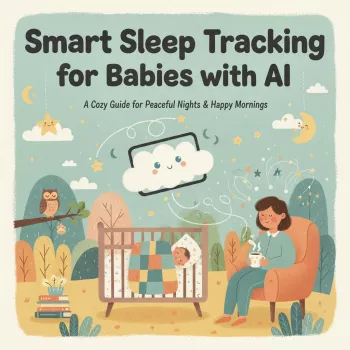
How do I set an age-appropriate bedtime routine using AI sleep insights?
Start by using your AI sleep tracking insights to learn what “good nights” look like for your child’s age—then build a routine that reliably leads into that window. Most parents do better when they treat the data as a pattern-finder (wake windows, fussiness peaks, night wakings), not a strict schedule that has to be followed minute-by-minute.
1) Use AI trends to find the best bedtime window
Review 7–14 days of sleep logs and look for the time your child falls asleep fastest and wakes least. Many apps highlight sleep onset time, total nighttime sleep, and the longest stretch. Aim bedtime so your child is placed down slightly before the app’s “easy-fall-asleep” window rather than after overtired signs show up.
2) Match the routine length to your child’s age and temperament
AI notes about sleep latency (how long it takes to fall asleep) can guide routine length. If your child typically takes 20–30 minutes to settle, a 20–30 minute routine is a good starting point. If the data shows quick sleep onset but frequent wake-ups, keep the routine calm and consistent and focus on reducing stimulating steps close to lights-out.
3) Keep the steps consistent, not complicated
Choose 4–6 repeatable steps and keep the order the same each night (for example: bath or wipe-down, pajamas, feeding if age-appropriate, short book, cuddle, lights out). AI insights can help you spot which step correlates with delayed sleep—like a late feed or extra screen exposure—and adjust without reinventing the whole routine.
4) Test one change at a time and track weekly progress
Use weekly summaries to see whether a shift actually improves sleep. Change only one variable every 3–5 nights (bedtime by 15 minutes, shorter rocking, darker room) so the AI trend lines stay meaningful. For a deeper walkthrough on using patterns and weekly progress to refine routines, visit this guide to AI baby sleep tracking patterns and routines.
FAQ
How can I tell if my child is overtired using sleep tracking data?
Look for longer time-to-fall-asleep, more frequent night wakings, and earlier-than-usual morning wake-ups clustered after late bedtimes. If the trend repeats on days with longer wake windows, it’s a strong sign to move bedtime earlier.
Recommended for you


Was this article helpful?
Yes
No









Leave a comment