-
Shop
- Advanced Technologies
- AI Skills for Creators & Freelancers
- AI Client Management
- AI Ethics
- AI Mindset
- AI Tools & Prompts
- AI Writing & Content Creation
- Audio, Voice & Music
- Design & Visual Creation
- Email, Messaging & Communication
- Freelancing & Business
- Marketing, Ads & Conversion
- Productivity, Workflow & Automation
- SEO & Search Optimization
- Social Media Content & Growth
- Strategy, Planning & Analytics
- Video Creation & Editing
- AI Skills Mastery 2026 Collection
- Bathroom
- Best-Sellers
- Car Accessories
- Confidence
- Dating & Social Skills
- Digital Resources
- Easter Products
- Education & Learning
- Family & Parenting
- Fashion
- Fashion Accessories
- Furniture
- Gadgets
- Health & Beauty
- Health & Wellness
- Home & Garden
- Home Electronics
- Home Supplies
- Jewelry
- Kids & Babies
- Kitchen
- Lighting
- Patio, Lawn & Garden
- Personal Growth
- Pet Care
- Pet Supplies
- Pets
- Shoes
- Smart Home Living Guides
- Sport & Outdoors
- Stress Relief & Relaxation
- Super Deals
- TikTok Growth & Monetization Mastery
- Travel
- Travel & Adventure
- Wealth
- Wellness
Hybrid vs Single Dynamic IEMs: Bass, Detail & Clarity
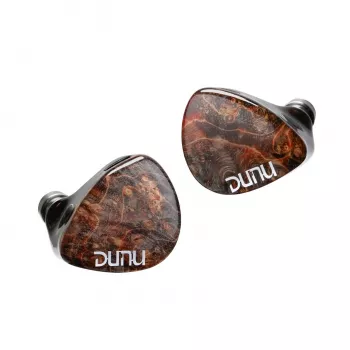
How do hybrid in-ear monitors compare to single dynamic driver IEMs for bass and detail?
Hybrid IEMs combine a dynamic driver (usually for lows) with one or more balanced armatures (often for mids/treble). Single dynamic driver (DD) IEMs rely on one driver to cover the full frequency range. That design difference is the main reason hybrids often feel more “separated” and crisp, while single DD sets often sound more cohesive and naturally weighted.
Bass: impact vs texture and control
For bass, a good single dynamic driver can deliver a very natural punch, realistic decay, and a unified low-end “thump” that feels continuous from sub-bass into mid-bass. Because one diaphragm is handling everything, bass transitions can sound seamless, with fewer crossover artifacts.
Hybrids usually aim to keep the dynamic driver focused on bass, which can improve bass control and reduce midrange masking. Many hybrids provide strong sub-bass rumble with tighter edges, especially at higher volumes. However, bass quality in a hybrid depends heavily on tuning and crossover implementation; a poorly integrated hybrid can sound like the bass is “attached” rather than blended.
Detail: separation and treble clarity
Hybrids often win on perceived detail because balanced armatures are efficient at reproducing upper-mid and treble information with sharp transients. This can make micro-details (pick attacks, room reverb, cymbal texture) easier to pick out, and it can improve instrument separation in busy mixes.
Single dynamic driver IEMs can still be highly detailed, but their detail tends to come across as smoother and more continuous instead of etched. If you’re sensitive to treble peaks, a well-tuned single DD may feel more forgiving, while some hybrids can sound brighter or more “forward” up top.
Which should you choose?
If bass realism and a cohesive presentation matter most, single dynamic driver IEMs are hard to beat. If you want cleaner separation, crisp attack, and a more technical feel—especially for complex tracks—hybrids are often the better fit.
For a deeper look at hybrid configurations, materials, and practical features like detachable cables, see this hybrid IEM guide.
FAQ
Do hybrids need more power than single dynamic IEMs?
Not always. Many hybrids are very sensitive and get loud easily, but impedance and sensitivity vary by model, so check specs if you plan to use a phone dongle or low-power source.
Recommended for you


Was this article helpful?
Yes
No









Leave a comment