-
Shop
- Advanced Technologies
- AI Skills for Creators & Freelancers
- AI Client Management
- AI Ethics
- AI Mindset
- AI Tools & Prompts
- AI Writing & Content Creation
- Audio, Voice & Music
- Design & Visual Creation
- Email, Messaging & Communication
- Freelancing & Business
- Marketing, Ads & Conversion
- Productivity, Workflow & Automation
- SEO & Search Optimization
- Social Media Content & Growth
- Strategy, Planning & Analytics
- Video Creation & Editing
- AI Skills Mastery 2026 Collection
- Bathroom
- Best-Sellers
- Car Accessories
- Confidence
- Dating & Social Skills
- Digital Resources
- Easter Products
- Education & Learning
- Family & Parenting
- Fashion
- Fashion Accessories
- Furniture
- Gadgets
- Health & Beauty
- Health & Wellness
- Home & Garden
- Home Electronics
- Home Supplies
- Jewelry
- Kids & Babies
- Kitchen
- Lighting
- Patio, Lawn & Garden
- Personal Growth
- Pet Care
- Pet Supplies
- Pets
- Shoes
- Smart Home Living Guides
- Sport & Outdoors
- Stress Relief & Relaxation
- Super Deals
- TikTok Growth & Monetization Mastery
- Travel
- Travel & Adventure
- Wealth
- Wellness
Kids & Shy New Dogs: Calm Steps to Build Trust
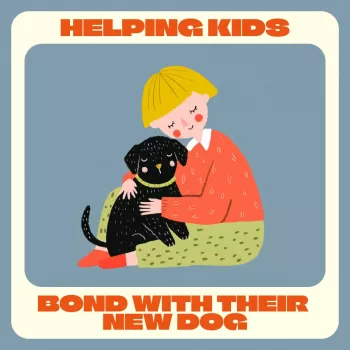
How can kids build trust with a shy or nervous new dog?
Trust grows fastest when kids act predictable, quiet, and kind. A shy or nervous new dog is still learning what your home sounds like, how people move, and whether hands reaching toward them are safe. The goal is to let the dog choose contact while kids practice calm habits that feel easy for the dog to understand.
Start with space and a “sideways hello”
Have kids give the dog room to watch from a comfortable distance. Instead of walking straight up, kids can stand sideways, keep their arms close, and look slightly away (staring can feel scary to dogs). If the dog approaches, the child can offer a closed fist or open palm low and still, letting the dog sniff first.
Use gentle routines the dog can predict
Short, repeated routines help a nervous dog relax: quiet greetings, slow walking in the same path, and calm voices. Assign kids “helper jobs” that don’t crowd the dog, like filling a water bowl with an adult nearby, or sitting on the floor reading while the dog explores at their own pace.
Let treats and play do the talking
Kids can toss small treats behind the dog (not at the dog) so the dog can move away to eat and then decide whether to come back. This creates a pressure-free game that builds confidence. If the dog enjoys toys, a gentle toss-and-fetch at a distance can be safer than hand-wrestling games that may overwhelm a timid dog.
Teach “consent” signals
Show kids how to pause and watch: loose body, soft eyes, and approaching are good signs; turning away, tucked tail, lip-licking, or freezing mean “give me space.” If the dog steps back, the child should stop immediately—this is how dogs learn that kids listen.
For a step-by-step plan that keeps everyone calm and safe, see the full guide here: https://ulorin.com/guide-kids-bond-with-new-dog-calm-safe-plan/.
FAQ
What should kids avoid doing around a nervous new dog?
They should avoid hugging, grabbing the collar, loud squealing, chasing, and crowding the dog in tight spaces. Fast hands and face-to-face leaning can feel threatening to a shy dog.
Recommended for you



Was this article helpful?
Yes
No









Leave a comment