-
Shop
- Advanced Technologies
- AI Skills for Creators & Freelancers
- AI Client Management
- AI Ethics
- AI Mindset
- AI Tools & Prompts
- AI Writing & Content Creation
- Audio, Voice & Music
- Design & Visual Creation
- Email, Messaging & Communication
- Freelancing & Business
- Marketing, Ads & Conversion
- Productivity, Workflow & Automation
- SEO & Search Optimization
- Social Media Content & Growth
- Strategy, Planning & Analytics
- Video Creation & Editing
- AI Skills Mastery 2026 Collection
- Bathroom
- Best-Sellers
- Car Accessories
- Confidence
- Dating & Social Skills
- Digital Resources
- Easter Products
- Education & Learning
- Family & Parenting
- Fashion
- Fashion Accessories
- Furniture
- Gadgets
- Health & Beauty
- Health & Wellness
- Home & Garden
- Home Electronics
- Home Supplies
- Jewelry
- Kids & Babies
- Kitchen
- Lighting
- Patio, Lawn & Garden
- Personal Growth
- Pet Care
- Pet Supplies
- Pets
- Shoes
- Smart Home Living Guides
- Sport & Outdoors
- Stress Relief & Relaxation
- Super Deals
- TikTok Growth & Monetization Mastery
- Travel
- Travel & Adventure
- Wealth
- Wellness
Track Baby Sleep With AI (No Wearable Needed)
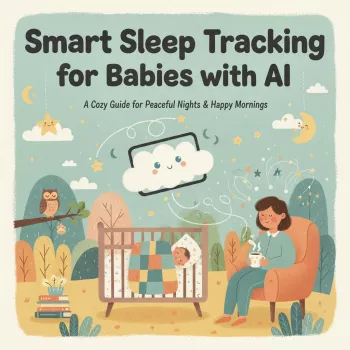
How can I use AI to track my baby’s sleep without using a wearable device?
You can track your baby’s sleep with AI using non-wearable tools that rely on audio, video, and simple logging—so nothing has to touch your baby’s skin. The most common setup is a smart baby monitor (or phone-based monitor) that uses AI to detect sleep and wake periods based on sound patterns, motion in the crib, and room conditions like light and noise levels.
Use an AI-enabled camera or audio monitor
Many AI baby monitors can identify when your baby settles, stirs, or cries, then automatically create a sleep timeline. Look for features such as cry detection, motion zones (to reduce false alerts), and night vision. Place the camera securely with a clear view of the crib, and use the app’s sensitivity settings to avoid misreads from pets, fans, or siblings.
Try phone-based audio tracking (no extra hardware)
If you don’t want a dedicated monitor, some apps can listen for crying and track quiet stretches that often correlate with sleep. Keep the phone plugged in and positioned safely away from the crib, and consider using a white-noise exception setting if the app offers one so it doesn’t confuse noise with movement.
Combine AI detection with simple routine notes
AI is strongest when paired with context. Log feedings, naps, bedtime routine steps, and wake windows, then let the AI highlight patterns like “short naps after late feeds” or “more night wakes when bedtime shifts.” This helps you spot trends without relying on a wearable’s heart rate or movement sensors.
Prioritize privacy and accuracy
Choose tools that offer local storage or clear cloud policies, two-factor authentication, and the ability to delete recordings. For accuracy, recalibrate sensitivity after changes like moving the crib, switching swaddles, or transitioning out of a bassinet.
For a deeper walkthrough of patterns, routines, and weekly progress tracking, visit this guide to AI baby sleep tracking.
FAQ
What’s the best way to improve AI sleep tracking accuracy without a wearable?
Use consistent camera placement, reduce background motion (fans, mobiles), and fine-tune sensitivity settings. Adding routine notes (feeds, naps, bedtime) helps the AI interpret what it detects.
Recommended for you


Was this article helpful?
Yes
No









Leave a comment