-
Shop
- Advanced Technologies
- AI Skills for Creators & Freelancers
- AI Client Management
- AI Ethics
- AI Mindset
- AI Tools & Prompts
- AI Writing & Content Creation
- Audio, Voice & Music
- Design & Visual Creation
- Email, Messaging & Communication
- Freelancing & Business
- Marketing, Ads & Conversion
- Productivity, Workflow & Automation
- SEO & Search Optimization
- Social Media Content & Growth
- Strategy, Planning & Analytics
- Video Creation & Editing
- AI Skills Mastery 2026 Collection
- Bathroom
- Best-Sellers
- Car Accessories
- Confidence
- Dating & Social Skills
- Digital Resources
- Easter Products
- Education & Learning
- Family & Parenting
- Fashion
- Fashion Accessories
- Furniture
- Gadgets
- Health & Beauty
- Health & Wellness
- Home & Garden
- Home Electronics
- Home Supplies
- Jewelry
- Kids & Babies
- Kitchen
- Lighting
- Patio, Lawn & Garden
- Personal Growth
- Pet Care
- Pet Supplies
- Pets
- Shoes
- Smart Home Living Guides
- Sport & Outdoors
- Stress Relief & Relaxation
- Super Deals
- TikTok Growth & Monetization Mastery
- Travel
- Travel & Adventure
- Wealth
- Wellness
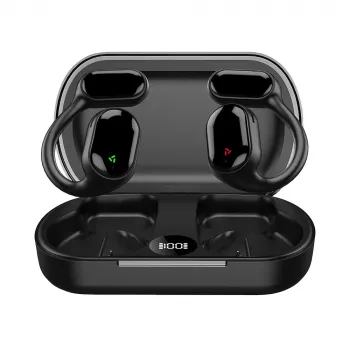
Waterproof Bone Conduction True Wireless Earbuds (Mic)

Bone conduction earbuds keep ears open while delivering audio through gentle vibrations, making them a practical option for workouts, commuting, and calls where awareness matters. This guide covers what to expect from a waterproof, true wireless design with a built-in mic, along with setup tips and everyday use considerations. For more guidance, see Nank Runner Diver 2 Pro | Headphone Reviews and Discussion.
What makes bone conduction different
Unlike traditional earbuds that send sound through the ear canal, bone conduction models transmit audio as small vibrations through the cheekbone area while leaving the ear canal open. That open-ear approach is a big reason many people choose them for running, cycling, walking, and workdays where hearing ambient cues is helpful. For further reading, see Reviews by regancipher | Page 4 – Head-Fi.
Comfort and clarity depend heavily on correct placement and the amount of clamping pressure against the skin. When positioned well, speech stays clear at moderate volume and you can still catch traffic, announcements, or a coworker speaking nearby.
| Feature | Bone conduction (open-ear) | Traditional in-ear earbuds |
|---|---|---|
| Ear canal blocked | No | Often yes |
| Awareness of surroundings | Higher | Lower (varies by fit/ANC) |
| Bass perception | Typically lighter | Typically stronger |
| Comfort for long wear | Often good (depends on fit) | Varies; can cause ear fatigue for some |
| Best for | Outdoor activity, calls on the go, office awareness | Immersive music, travel, noise isolation |
True wireless design and everyday comfort
True wireless means there’s no cable connecting the left and right sides, which helps during exercise, errands, and commuting—nothing tugs, bounces, or snags on collars and backpack straps. With bone conduction, stability matters more than deep insertion. A secure, consistent contact point is what transfers vibration efficiently.
Open-ear designs can also reduce the “plugged ear” feeling some users get with silicone tips. If glasses are part of your daily routine, pay attention to pressure points where the frames meet the ear area. Minor angle changes often help, and it’s usually better to aim for even contact rather than tightening the fit too much.
Microphone and call quality: what to expect
A built-in mic is designed for calls, voice notes, and meetings while moving. Because your ears remain open, it can feel more natural to speak at a normal volume, especially when walking outdoors or working in a shared space.
Call clarity depends on wind, traffic noise, and mic placement. For outdoor calls, try shielding one side from wind (for example, turning slightly so a hood, hat brim, or a wall is between you and the breeze). Also check phone settings to ensure the earbuds are selected as the active input during calls—some phones will switch back to the handset mic when other Bluetooth devices are nearby.
Waterproofing and sweat resistance
Avoid charging when wet; let both the earbuds and the case dry fully first. Even with waterproofing, prolonged submersion can exceed design limits, so it’s worth reviewing the product’s stated rating and care guidance for anything beyond routine sweat and light rain. For background on what IP ratings mean, the IEC overview of the IP Code is a helpful reference: https://www.iec.ch/ip-ratings.
Bluetooth 5.3 performance and device compatibility
If audio stutters, forget the device and re-pair it, then confirm only one primary device is trying to connect at a time. When switching between car audio, speakers, and earbuds, check your phone’s call audio routing and media output so the earbuds remain the selected device. For a technical reference on Bluetooth versions and features, see the Bluetooth SIG specification hub: https://www.bluetooth.com/specifications/bluetooth-core-specification/.
Sound profile, volume, and awareness
To reduce sound leakage, keep volume as low as practical and double-check placement. Quieter rooms make leakage more noticeable, so turning down the volume can be as important as fine-tuning the fit. For long sessions, keep listening levels moderate and take breaks to reduce fatigue; for general safe-listening context, NIOSH offers guidance on preventing hearing loss: https://www.cdc.gov/niosh/topics/hearingloss/.
Setup checklist and quick troubleshooting
Who these earbuds suit best
Product details and where to buy
If you’re looking for an affordable entry into open-ear listening, Bone Conduction True Wireless Earbuds with Mic, Waterproof Bluetooth 5.3 Headphones are built for workouts, commuting, calls, and casual listening where awareness matters. Price and availability can change, so check the product page for current details and review fit guidance and waterproof notes before using in heavy rain or intense sweat conditions.
| Item | Value |
|---|---|
| Product page | https://ulorin.com/bone-conduction-true-wireless-earbuds-with-mic-waterproof-bluetooth-5-3-headphones/ |
| Availability | In stock |
| Listed price | 12.51 USD |
Helpful add-ons for daily use
- Universal Car Steering Wheel Phone Mount for Safe Navigation for quick navigation checks (parked or as a passenger).
- Armani Exchange Men’s Sneakers for everyday walking and casual wear.
- Triple-Sided Ultra-Fine Soft Bristle Toothbrush for Enhanced Oral Health as a simple travel-friendly essential.
FAQ
Can bone conduction earbuds be used for phone calls in noisy places?
Yes, but results vary with wind and background noise. A secure fit, speaking clearly, and shielding the mic side from wind can noticeably improve clarity, and it’s worth confirming the earbuds are selected as the call microphone in your device settings.
Are waterproof earbuds safe to use in the shower or for swimming?
It depends on the IP rating and the manufacturer’s guidance. Many waterproof designs handle sweat and rain but aren’t intended for full submersion; always avoid charging when wet and follow the stated limits.
Why does the sound seem quieter than regular in-ear earbuds?
Because open-ear designs don’t seal the ear canal, ambient noise competes with the audio. A more secure placement improves vibration transfer, and quieter environments typically deliver the best perceived volume and clarity.
Recommended for you

Was this article helpful?
Yes
No









Leave a comment