-
Shop
- Advanced Technologies
- AI Skills for Creators & Freelancers
- AI Client Management
- AI Ethics
- AI Mindset
- AI Tools & Prompts
- AI Writing & Content Creation
- Audio, Voice & Music
- Design & Visual Creation
- Email, Messaging & Communication
- Freelancing & Business
- Marketing, Ads & Conversion
- Productivity, Workflow & Automation
- SEO & Search Optimization
- Social Media Content & Growth
- Strategy, Planning & Analytics
- Video Creation & Editing
- AI Skills Mastery 2026 Collection
- Bathroom
- Best-Sellers
- Car Accessories
- Confidence
- Dating & Social Skills
- Digital Resources
- Easter Products
- Education & Learning
- Family & Parenting
- Fashion
- Fashion Accessories
- Furniture
- Gadgets
- Health & Beauty
- Health & Wellness
- Home & Garden
- Home Electronics
- Home Supplies
- Jewelry
- Kids & Babies
- Kitchen
- Lighting
- Patio, Lawn & Garden
- Personal Growth
- Pet Care
- Pet Supplies
- Pets
- Shoes
- Smart Home Living Guides
- Sport & Outdoors
- Stress Relief & Relaxation
- Super Deals
- TikTok Growth & Monetization Mastery
- Travel
- Travel & Adventure
- Wealth
- Wellness
Ultralight 1–2 Person Waterproof Tent: Rain, Wind & Venting
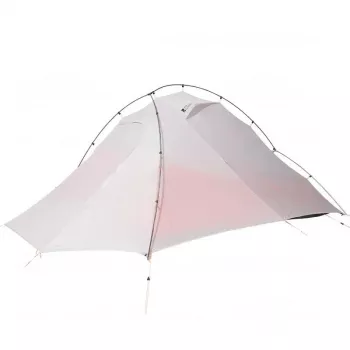
Ultralight 1–2 Person Waterproof Tent for Hiking and Glamping: What to Look For and How to Use It
An ultralight tent that stays dry in real weather can make the difference between an easy overnight and a long, uncomfortable one. The best small shelters balance pack-friendly weight with smart rain protection, stable structure, and airflow that keeps condensation from soaking your gear. Below are the features that matter most on the trail, plus setup and care tips that help the tent perform when conditions get messy. For more guidance, see The Best Ultralight Tents, Tested and Reviewed (2026).
Who This Tent Style Fits Best
- Solo hikers who want a smaller footprint and a lighter pack without giving up weather protection
- Two people who don’t mind a close fit and prioritize carrying comfort over extra interior space
- Glamping setups that still need a compact, quick-pitch shelter for variable conditions
- Travelers who camp in mixed seasons and want a tent that focuses on rain resistance and ventilation balance
If campsites are often tight (dense forest, rocky pads, or crowded campgrounds), a compact 1–2 person footprint can be a practical advantage. For glamping, the “ultralight” benefit is less about miles and more about quick setup, easy storage, and not hauling bulky gear. For further reading, see Best Ultralight Tents of 2026 | Switchback Tested.
Key Features That Matter in Wet, Windy, and Humid Conditions
Rain protection that works beyond the rating
Numeric waterproof ratings can be helpful, but construction details usually decide whether you stay dry overnight. Prioritize sealed seams, a rainfly that provides real coverage, and a bathtub-style floor that helps block splashback and shallow runoff when the ground saturates.
Ventilation that prevents the “rain inside” problem
Small tents can feel humid quickly. Dual vents, mesh panels, and a rainfly that sits with a little clearance (rather than draping directly on the inner wall) help moisture escape. This matters most on cool, still nights where condensation builds even without rain.
Pole structure and stability in gusts
A taut pitch is quieter, sheds rain better, and resists wind deformation. Look for confident pole geometry, secure stake points, and multiple guy-out options so you can reinforce the tent when the forecast changes after dark.
Entry and storage that keep wet gear out of your sleep zone
A vestibule is more than convenience—it’s a moisture buffer. Storing boots and packs under vestibule coverage helps keep the sleeping area drier and reduces the “everything is damp” feeling by morning.
Materials, coatings, and real-world durability
Ultralight fabrics can be strong, but they need reinforcement where it counts: corners, guy points, zipper ends, and pole contact areas. Also consider UV exposure: prolonged sun can weaken fabrics and coatings, so choosing shade or packing the tent away during long midday breaks can extend its life.
Packability beyond total weight
| Feature | Why it matters | What to check before buying |
|---|---|---|
| Rain protection | Helps keep sleeping gear dry in steady rain | Full-coverage fly, seam sealing, bathtub floor, protected zippers |
| Condensation control | Reduces damp walls and wet sleeping bags | Mesh + vents, fly clearance, ability to crack doors safely |
| Wind readiness | Prevents flapping and stake pullouts | Multiple guy points, sturdy poles, stake quality, taut pitch |
| Space efficiency | Improves comfort without adding excessive weight | Headroom, door layout, vestibule size, gear storage area |
| Ease of setup | Saves time in bad weather or low light | Simple pole layout, intuitive clips, clear stake pattern |
| Durability | Extends tent life on rough ground | Reinforced corners, strong tie-outs, floor thickness and abrasion resistance |
Setup Tips for a Dry Night
For campground best practices and safety reminders, review the National Park Service guidance on campground safety and etiquette. For low-impact site selection and cleanup, the Leave No Trace Seven Principles are a solid baseline.
Comfort Upgrades for Glamping Without Losing the Lightweight Advantage
If you want a deeper breakdown of tent styles and tradeoffs, REI’s guide on how to choose a tent is a helpful reference.
Care and Maintenance to Keep Waterproofing Working
Ultralight 1–2 Person Waterproof Camping Tent for Hiking & Glamping
For a compact shelter built around staying dry and packing down small, see the Ultralight 1–2 Person Waterproof Camping Tent for Hiking & Glamping. It’s designed for a streamlined solo setup and can work for two with a close fit—ideal when minimizing pack weight and volume is just as important as reliable rain protection.
| Item | Details |
|---|---|
| Product | Ultralight 1–2 Person Waterproof Camping Tent for Hiking & Glamping |
| Price | 222.51 USD |
| Availability | In stock |
Helpful add-ons that travel well
- Universal Car Steering Wheel Phone Mount for Safe Navigation for quick navigation checks when driving between trailheads or campgrounds (use only when safely parked).
- Armani Exchange Men’s Sneakers as a comfortable travel shoe option for road trips and town stops between outdoor days.
FAQ
How waterproof does a hiking tent need to be?
Waterproof performance depends on more than a single rating: sealed seams, full-coverage rainfly design, a bathtub floor, and a taut pitch all work together to keep water out. A well-built fly and properly sealed construction often matter as much as the numbers on the fabric.
How can condensation be reduced in a small tent?
Use ventilation whenever conditions allow: open vents, rely on mesh panels, and keep some airflow between the fly and inner wall. Choose a well-drained site, keep wet clothing and shoes in the vestibule, and balance warmth with airflow so moisture doesn’t build up overnight.
Can a 1–2 person tent work comfortably for two people?
Yes, but it’s usually a snug fit—comfort depends on shoulder width, sleeping pad sizes, and whether gear can stay in the vestibule. Two compact pads and disciplined storage make sharing easier, while solo use typically feels noticeably roomier.
Recommended for you


Was this article helpful?
Yes
No









Leave a comment