-
Shop
- Advanced Technologies
- AI Skills for Creators & Freelancers
- AI Client Management
- AI Ethics
- AI Mindset
- AI Tools & Prompts
- AI Writing & Content Creation
- Audio, Voice & Music
- Design & Visual Creation
- Email, Messaging & Communication
- Freelancing & Business
- Marketing, Ads & Conversion
- Productivity, Workflow & Automation
- SEO & Search Optimization
- Social Media Content & Growth
- Strategy, Planning & Analytics
- Video Creation & Editing
- AI Skills Mastery 2026 Collection
- Bathroom
- Best-Sellers
- Car Accessories
- Confidence
- Dating & Social Skills
- Digital Resources
- Easter Products
- Education & Learning
- Family & Parenting
- Fashion
- Fashion Accessories
- Furniture
- Gadgets
- Health & Beauty
- Health & Wellness
- Home & Garden
- Home Electronics
- Home Supplies
- Jewelry
- Kids & Babies
- Kitchen
- Lighting
- Patio, Lawn & Garden
- Personal Growth
- Pet Care
- Pet Supplies
- Pets
- Shoes
- Smart Home Living Guides
- Sport & Outdoors
- Stress Relief & Relaxation
- Super Deals
- TikTok Growth & Monetization Mastery
- Travel
- Travel & Adventure
- Wealth
- Wellness
Thailand Rainy Season Travel Guide: Where, What & How
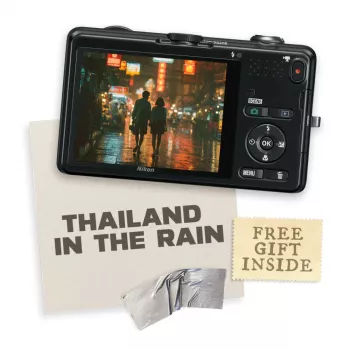
Thailand in the Rain: A Smart Travel Guide to Thailand During Rainy Season
Thailand’s rainy season can be a budget-friendly, lush, and surprisingly comfortable time to travel—when expectations match the weather. Instead of planning around “perfect beach days,” plan around patterns: brief downpours, humidity, and occasional transport hiccups. Below is a practical, region-aware approach to choosing where to go, what to pack, how to build flexible days, and how to stay safe when storms roll through.
For a streamlined, trip-ready reference you can keep on your phone, consider Thailand in the Rain – A Smart Travel Guide to Thailand During Rainy Season | What to Know Before You Go.
Rainy season basics: what “rainy” usually looks like
In many Thai destinations, “rainy season” doesn’t mean constant drizzle from sunrise to sunset. More often, it means short, heavy bursts—frequently in the late afternoon or evening—followed by clearer stretches that are great for sightseeing.
- Expect bursts, not blankets: Many days still have usable morning and midday windows for outdoor plans.
- Humidity is the main challenge: Air-conditioned malls, cafés, museums, and spas become valuable “weather buffers.”
- It can feel warmer even when temps dip: Breathable, quick-dry fabrics are far more comfortable than thick cotton.
- Storms can disrupt sea travel: Thunderstorms may delay boats and cancel marine tours—build easy backup options.
- Urban flooding can happen fast: Low-lying streets may pool after heavy rain; monitor local alerts and avoid wading through floodwater.
For current conditions and official advisories, check the Thai Meteorological Department before committing to ferry days or long drives.
Where to go: regional weather patterns that shape the trip
Thailand’s rainfall varies by coast and season. Picking the right region (or splitting time across two) can dramatically improve the odds of smooth transportation and calm seas.
| Region | Rain pattern (typical) | Best rainy-day activities | Watch-outs |
|---|---|---|---|
| Bangkok | Brief storms, high humidity | Temples early, museums, malls, food halls | Flooded sidewalks, traffic surges |
| Chiang Mai / North | Showers; greener scenery | Cooking classes, cafés, markets, museums | Slippery hikes, reduced visibility on drives |
| Andaman Coast | Heavier rain; rougher sea at times | Spa days, viewpoints between showers | Tour cancellations, strong currents |
| Gulf Islands | Peak rain can be later than Andaman | Snorkel windows, island cafés, wellness | Boat delays, sudden squalls |
- Andaman Coast (Phuket, Krabi, Koh Lanta): Often wetter during the southwest monsoon; seas can be rough and some tours pause seasonally.
- Gulf Coast (Koh Samui, Koh Phangan, Koh Tao): Rainfall peaks can differ from the Andaman side, so you may find drier stretches even when other coasts are soaking.
- Bangkok & Central Thailand: Storms can snarl traffic quickly; prioritize areas connected by BTS/MRT for easier movement.
- North (Chiang Mai, Chiang Rai): Rain brings vibrant green landscapes and fewer crowds; drive cautiously on slick mountain roads.
- East (Pattaya, Koh Chang): Mixed patterns—use short-term forecasts to judge island crossings and boat conditions.
For regional ideas and seasonal highlights, the Tourism Authority of Thailand is a solid planning companion.
Build a rain-smart itinerary (flexible days that still feel full)
A satisfying rainy-season trip comes from designing days that can “bend” without breaking. Think in modules: outdoor mornings, indoor anchors, and short neighborhood loops that can end fast when thunder starts.
- Start early: Put markets, temples, and outdoor sightseeing in the morning when skies are often clearer.
- Block an indoor anchor daily: A museum, cooking class, café crawl, or massage keeps the day enjoyable even if rain hits hard.
- Use micro-itineraries: Build 2–3 hour neighborhood loops with quick exits—ideal for Bangkok’s sudden downpours.
- Keep transit simple: Choose walkable clusters or rail-connected areas to avoid being stuck in traffic during storms.
- Plan coastal days with swaps: If boats are canceled, switch to viewpoints, local food spots, or wellness sessions.
Comfort matters when your plan involves multiple short walks between sheltered stops. If you’re packing for city days and slick sidewalks, supportive footwear can make a big difference—some travelers prefer a sturdier sneaker for urban exploring, such as Armani Exchange Men’s Sneakers.
What to pack for comfort and dry electronics
Pack for humidity first and rain second. The goal is to dry quickly, protect essentials, and avoid carrying heavy, damp clothing all day.
Getting around when it pours
If you’ll be driving (or riding with a driver) and relying on navigation, keeping your phone stable and visible helps in sudden storm detours. A simple option is the Universal Car Steering Wheel Phone Mount for Safe Navigation.
Safety and health during rainy season
For up-to-date health guidance and recommended travel precautions, review CDC Traveler’s Health — Thailand.
How this travel guide helps plan the trip (and avoid common mistakes)
For a single, organized reference you can consult while booking and traveling, see Thailand in the Rain – A Smart Travel Guide to Thailand During Rainy Season | What to Know Before You Go.
FAQ
Does it rain all day during Thailand’s rainy season?
Often no—many areas get short, intense showers (frequently later in the day) with usable clear windows, especially in the morning. Conditions vary by region, so check short-term forecasts and keep a solid indoor backup plan.
Which side—Andaman or Gulf islands—is better in rainy season?
Rainfall peaks can differ between coasts, so one side may have calmer weather while the other is wetter. Compare month-by-month patterns, and plan swap options in case sea tours are paused or ferries are delayed for safety.
What should be avoided during heavy rain in Thailand?
Avoid walking through floodwater, swimming when sea warning flags are posted, and riding scooters aggressively on slick roads. During lightning, move indoors and skip exposed beaches or viewpoints until storms pass.
Recommended for you


Was this article helpful?
Yes
No









Leave a comment