-
Shop
- Advanced Technologies
- AI Skills for Creators & Freelancers
- AI Client Management
- AI Ethics
- AI Mindset
- AI Tools & Prompts
- AI Writing & Content Creation
- Audio, Voice & Music
- Design & Visual Creation
- Email, Messaging & Communication
- Freelancing & Business
- Marketing, Ads & Conversion
- Productivity, Workflow & Automation
- SEO & Search Optimization
- Social Media Content & Growth
- Strategy, Planning & Analytics
- Video Creation & Editing
- AI Skills Mastery 2026 Collection
- Bathroom
- Best-Sellers
- Car Accessories
- Confidence
- Dating & Social Skills
- Digital Resources
- Easter Products
- Education & Learning
- Family & Parenting
- Fashion
- Fashion Accessories
- Furniture
- Gadgets
- Health & Beauty
- Health & Wellness
- Home & Garden
- Home Electronics
- Home Supplies
- Jewelry
- Kids & Babies
- Kitchen
- Lighting
- Patio, Lawn & Garden
- Personal Growth
- Pet Care
- Pet Supplies
- Pets
- Shoes
- Smart Home Living Guides
- Sport & Outdoors
- Stress Relief & Relaxation
- Super Deals
- TikTok Growth & Monetization Mastery
- Travel
- Travel & Adventure
- Wealth
- Wellness
Stress Acne Reset: 24–72 Hour Plan for Calmer Skin
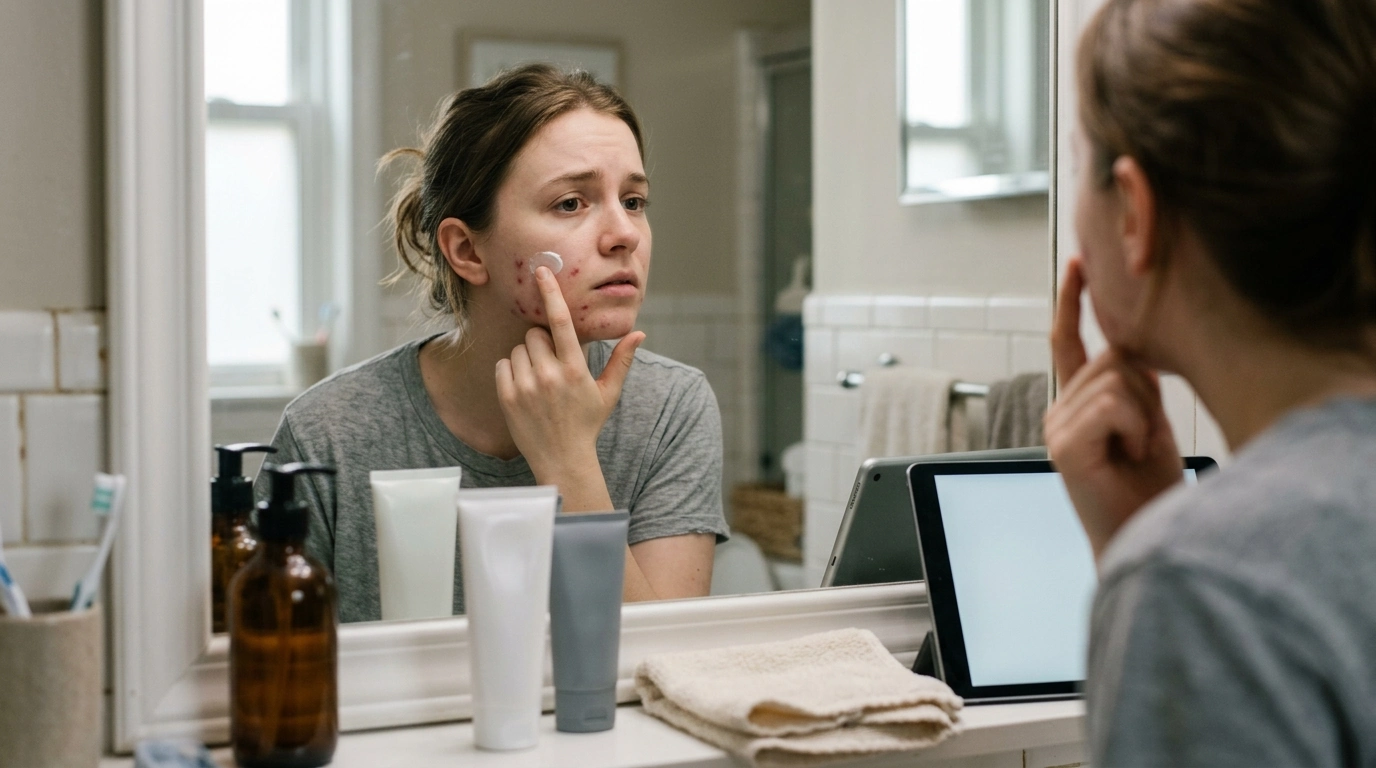
Clear Calm: A Practical Plan for Stress-Triggered Breakouts and Calmer Skin
Stress breakouts can feel unpredictable: skin looks fine, then a deadline, travel day, or sleepless week hits—and pimples show up fast. The good news is that “stress acne” usually follows a pattern. With a calmer routine and a short, focused response plan, you can reduce inflammation without wrecking your skin barrier.
Below is a practical guide to why stress can worsen acne, how to spot a stress-pattern flare, and what to do in the first 24–72 hours to help your skin look less angry—while keeping your routine simple enough for real life.
Why stress can trigger breakouts
Stress doesn’t “cause” acne on its own, but it can make acne more likely to flare and more stubborn once it does. Here’s what’s typically happening:
- Hormones and inflammation: Stress hormones can increase oil production and inflammatory signaling, which may worsen clogged pores and redness. The result is often more tender, swollen blemishes rather than just small clogged bumps.
- Habit shifts that add up: During stressful weeks, sleep gets shorter, workouts get sweatier, meals skew toward higher-sugar comfort foods, cleansing gets skipped, and hands touch the face more—each one nudging skin toward congestion and irritation.
- Barrier breakdown makes everything look worse: Over-cleansing or stacking harsh actives can disrupt the skin barrier, making breakouts look redder, feel stingier, and take longer to heal.
If you want an evidence-based overview of acne causes and treatment basics, the American Academy of Dermatology is a reliable reference point.
How to tell stress breakouts from other flare-ups
Not every breakout is stress-related. These clues can help you separate “stress acne” from product irritation, folliculitis, or a routine mismatch.
- Timing clues: Breakouts that show up after high-stress periods, poor sleep, exams, travel, or big schedule changes are classic. Many people notice a flare within days.
- Location patterns: Jawline and cheeks can flare with stress and lifestyle shifts; the forehead often worsens with sweat and hair products; the nose and chin can reflect naturally oilier areas.
- How it feels: Stress flares commonly show up as tender, inflamed bumps, often alongside overall redness or sensitivity.
- Rule-outs: New skincare, detergent/fragrance exposure, or haircare changes can mimic acne with irritation, contact dermatitis, or folliculitis.
Quick comparison: common look-alikes and what to try first
| What it looks like | Common trigger | First-step response |
|---|---|---|
| Tender inflamed pimples | Stress + sleep disruption | Simplify routine, gentle cleanse, spot treat, prioritize sleep |
| Tiny uniform bumps/itchiness | Sweat + occlusion, possible folliculitis | Shower after sweating, avoid heavy occlusives, consider anti-fungal wash if persistent |
| Red, stingy rashy bumps | Irritation or over-exfoliation | Stop actives 3–7 days, barrier repair moisturizer, sunscreen |
| Breakouts after a new product | Comedogenic or irritant ingredient | Pause new product, reintroduce slowly or replace |
The 24–72 hour calming protocol
When stress triggers a flare, the goal isn’t to “nuke” it—it’s to reduce inflammation and prevent collateral damage from over-treatment.
Stress itself can be a health topic, not just a skin topic. If you’re looking for a grounded overview, the National Institute of Mental Health breaks down what stress is and how it can affect daily functioning.
A calm-skin routine that fits stressful weeks
Lifestyle levers that matter most for stress acne
Clear Calm eBook: a step-by-step plan for stress breakouts
If you want a structured routine you can follow during high-pressure seasons, Clear Calm: Your Guide to Banishing Stress Breakouts (digital download) lays out a simple framework for calming flare-ups without overcomplicating skincare. It’s designed for quick reference during travel, exams, project crunches, and sleep-debt weeks, with checklists and troubleshooting for barrier setbacks.
Stress-week helpers (optional but practical)
- Universal Car Steering Wheel Phone Mount for Safe Navigation (hands-free directions can reduce stress spirals and cut down on phone-to-face contact).
- Armani Exchange Men’s Sneakers (a comfortable walking option can support short daily walks—one of the simplest stress downshifts).
- Triple-Sided Ultra-Fine Soft Bristle Toothbrush for Enhanced Oral Health (a small self-care upgrade that supports consistent routines when you’re running on autopilot).
When to get extra help
For a medical overview of acne types and treatment pathways, the Mayo Clinic is another trustworthy resource.
FAQ
How long does stress acne take to clear?
Visible inflammation can start calming in a few days if you simplify your routine and avoid picking, but more consistent clearing usually takes several weeks. Healing time depends on how inflamed the breakout is, whether the barrier is irritated, and how steady your routine stays during the stressful period.
Should active ingredients be stopped during a stress breakout?
If your skin feels stingy, tight, or looks unusually red, do a short reset and pause stronger actives for a few days while focusing on gentle cleansing, moisturizing, and sunscreen. If you tolerate one acne active well, keep it targeted (not layered with multiple strong products) to avoid prolonging irritation.
What’s the fastest way to reduce redness from a new breakout?
Use a cold compress briefly, keep skincare gentle, and use a conservative spot treatment you already tolerate—then protect the area with moisturizer and sunscreen. Avoid harsh scrubs or aggressive exfoliation, which can make redness last longer.
Recommended for you


Was this article helpful?
Yes
No









Leave a comment