-
Shop
- Advanced Technologies
- AI Skills for Creators & Freelancers
- AI Client Management
- AI Ethics
- AI Mindset
- AI Tools & Prompts
- AI Writing & Content Creation
- Audio, Voice & Music
- Design & Visual Creation
- Email, Messaging & Communication
- Freelancing & Business
- Marketing, Ads & Conversion
- Productivity, Workflow & Automation
- SEO & Search Optimization
- Social Media Content & Growth
- Strategy, Planning & Analytics
- Video Creation & Editing
- AI Skills Mastery 2026 Collection
- Bathroom
- Best-Sellers
- Car Accessories
- Confidence
- Dating & Social Skills
- Digital Resources
- Easter Products
- Education & Learning
- Family & Parenting
- Fashion
- Fashion Accessories
- Furniture
- Gadgets
- Health & Beauty
- Health & Wellness
- Home & Garden
- Home Electronics
- Home Supplies
- Jewelry
- Kids & Babies
- Kitchen
- Lighting
- Patio, Lawn & Garden
- Personal Growth
- Pet Care
- Pet Supplies
- Pets
- Shoes
- Smart Home Living Guides
- Sport & Outdoors
- Stress Relief & Relaxation
- Super Deals
- TikTok Growth & Monetization Mastery
- Travel
- Travel & Adventure
- Wealth
- Wellness
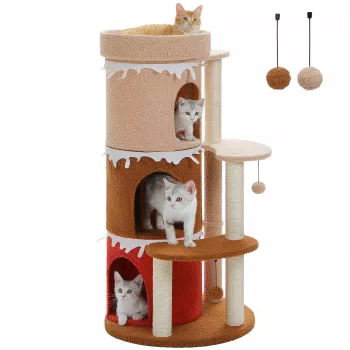
Stable Cat Tree Tower: Sisal Posts + Spacious Top Perch
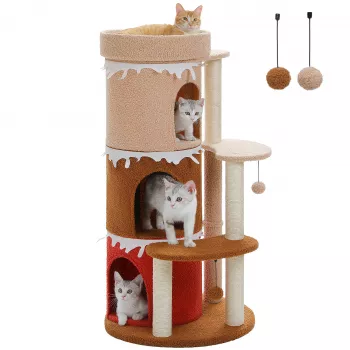
Cat Tree Tower with Sisal Scratching Posts and a Large Top Perch
A sturdy cat tree tower can turn a small corner into a climbing, scratching, and lounging zone—especially helpful for larger cats that need stable platforms and confident jumps. When the base is solid, the steps make sense, and the materials feel good underpaw, cats use the tower daily instead of “testing” your sofa arms. The goal is simple: create a reliable vertical routine (scratch, climb, perch, nap) that fits your home and your cat’s body size.
What a Cat Tree Tower Should Provide (Especially for Bigger Cats)
Large cats don’t just need “more space”—they need better engineering. A tower that feels fine for a kitten can wobble when a heavier cat launches upward or drops down from the top platform. Prioritize these essentials:
- A stable base that resists tipping when a heavier cat jumps or pivots mid-climb.
- A wide top perch that supports a full-body sprawl without paws hanging off the edge.
- Scratching surfaces along the traffic path so scratching is the easy default, not an “extra stop.”
- Sensible step spacing that reduces awkward leaps and missed landings.
- Soft, grippy platform surfaces so cats feel secure when turning, stretching, or kneading.
If you’re designing a vertical “route,” think like your cat: step up, pause, scratch, step up again, perch at the top. A tower that supports that flow becomes a daily habit.
Sisal Scratching Posts: How to Tell if They’ll Get Used
Scratching is a normal feline need, not a behavior problem. Cats scratch to condition claws, stretch the back and shoulders, and leave scent/visual marks. Sisal rope is often a favorite because it offers resistance and texture—especially compared with slick fabrics that don’t “grab” under the claws.
- Sisal texture matters: tighter wraps usually feel better and last longer.
- Thicker posts help big cats: more surface contact supports a stronger pull and a full-body stretch.
- Multiple scratch zones reduce conflict: helpful in multi-cat homes and spreads out wear.
- Location drives usage: posts near sleeping spots, entrances, or a favorite window get the most attention.
- Repair potential extends value: frayed sections can often be re-wrapped or spot-fixed instead of replacing the entire tower.
Scratching Post Checklist
| Feature | Why it matters | What to look for |
|---|---|---|
| Sisal material | Improves grip and satisfaction | Tight sisal wrap with minimal gaps |
| Post diameter | Supports stronger scratch force | Thicker posts for larger cats |
| Post height | Enables full-body stretch | Tall enough for standing reach |
| Post placement | Encourages frequent use | On main climb route and near cat hangout areas |
| Replace/repair potential | Extends lifespan | Accessible rope sections or modular parts |
For deeper guidance on scratching needs and environmental setup, reputable resources like the International Cat Care (iCatCare) and the American Association of Feline Practitioners (AAFP) can help you fine-tune placement and household routines.
The Top Perch: Comfort, Confidence, and a Better View
The highest resting spot often becomes a cat’s favorite “safe zone,” especially in busy homes. A large top perch isn’t just about luxury—it’s about confidence. When a cat can settle in without feeling like they might slide off the edge, they nap longer, return more often, and claim the tower instead of your kitchen counter.
- Room to lounge supports curling, sprawling, loafing, and side-sleep positions.
- Raised edges can help cats feel protected while resting—great near windows or active rooms.
- A high perch can reduce furniture takeovers by giving cats an appealing alternative vantage point.
- Multi-cat note: if one high perch creates competition, add nearby alternatives (a chair, a second bed, or a lower shelf).
- Window-adjacent perches tend to get used most because the view is constantly changing.
Where to Place a Cat Tree Tower for Maximum Daily Use
Even a well-built tower can get ignored if it’s tucked away where nothing happens. The best placement makes the tower part of your cat’s normal traffic pattern.
- Near a window for “cat TV”: birds, neighbors, and shifting light.
- In a social room (living room or office) so your cat can perch near household activity.
- Avoid narrow hallways where cats might be startled mid-climb; choose a calm corner instead.
- Leave jump clearance so cats can hop up and down without bumping shelves, radiators, or furniture edges.
- Redirect problem scratching by placing the tower close to the targeted sofa side or doorway trim as a “better option.”
Stability and Safety Setup
Keeping It Clean (Without Making Cats Avoid It)
A Solid Option to Consider
Cat Tree Tower for Large Cats with Sisal Scratching Posts & Large Top Perch
More Useful Picks (In Stock)
- Universal Car Steering Wheel Phone Mount for Safe Navigation (helpful for hands-free directions on vet trips)
- Triple-Sided Ultra-Fine Soft Bristle Toothbrush for Enhanced Oral Health (a simple daily-care upgrade for pet parents)
- Armani Exchange Men’s Sneakers (comfortable support for longer walks and errands)
FAQ
How tall should a cat tree tower be for large cats?
Height is useful for climbing and lookout time, but stability and platform size matter more for large cats. Choose a height that fits your room and includes an easy step-up path so your cat can climb without risky leaps.
Will sisal scratching posts help stop scratching on furniture?
Sisal can help a lot, but results depend on placement and routine. Put the tower near the furniture being scratched, reward your cat for using the post, and temporarily make the furniture less appealing with covers or deterrent textures.
Where is the best place to put a cat tree tower?
A window-adjacent spot or a corner in a social room usually gets the most daily use. Avoid tight, high-traffic pinch points, keep clear jump space around the tower, and add a non-slip mat if you have slippery floors.
Recommended for you
Was this article helpful?
Yes
No









Leave a comment