-
Shop
- Advanced Technologies
- AI Skills for Creators & Freelancers
- AI Client Management
- AI Ethics
- AI Mindset
- AI Tools & Prompts
- AI Writing & Content Creation
- Audio, Voice & Music
- Design & Visual Creation
- Email, Messaging & Communication
- Freelancing & Business
- Marketing, Ads & Conversion
- Productivity, Workflow & Automation
- SEO & Search Optimization
- Social Media Content & Growth
- Strategy, Planning & Analytics
- Video Creation & Editing
- AI Skills Mastery 2026 Collection
- Bathroom
- Best-Sellers
- Car Accessories
- Confidence
- Dating & Social Skills
- Digital Resources
- Easter Products
- Education & Learning
- Family & Parenting
- Fashion
- Fashion Accessories
- Furniture
- Gadgets
- Health & Beauty
- Health & Wellness
- Home & Garden
- Home Electronics
- Home Supplies
- Jewelry
- Kids & Babies
- Kitchen
- Lighting
- Patio, Lawn & Garden
- Personal Growth
- Pet Care
- Pet Supplies
- Pets
- Shoes
- Smart Home Living Guides
- Sport & Outdoors
- Stress Relief & Relaxation
- Super Deals
- TikTok Growth & Monetization Mastery
- Travel
- Travel & Adventure
- Wealth
- Wellness
Slicker Brush Grooming Guide: De-Shedding & Detangling
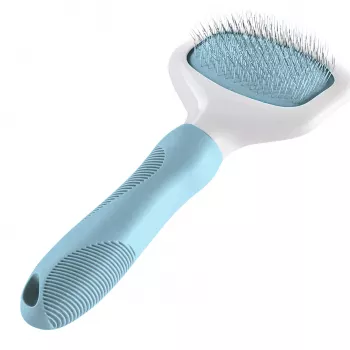
Premium Slicker Brush for Dogs, Cats & Small Pets: Comfortable De‑Shedding and Detangling at Home
Regular brushing helps reduce loose fur, prevent tangles, and keep coats comfortable for dogs, cats, and small pets. A slicker brush is designed to lift shed hair and gently separate knots, making it a practical choice for everyday grooming—especially during seasonal shedding or for longer coats.
What a Slicker Brush Does (and Why It Helps)
A slicker brush uses fine, closely spaced pins to catch loose hair and lightly tease apart snarls. When used with a gentle hand, it can make home grooming quicker, cleaner, and more comfortable for your pet.
- Removes loose undercoat and surface shedding before it spreads around the home
- Breaks up small mats early to reduce the chance of painful tangles later
- Supports a healthier-looking coat by distributing natural oils through brushing
- Encourages routine skin checks while grooming (dry patches, irritation, fleas/ticks)
For more general home-grooming guidance, the American Kennel Club’s at-home dog grooming tips and the ASPCA’s cat grooming basics are helpful references for building a calm, consistent routine.
Best Uses by Pet Type and Coat
Slicker brushes are versatile, but results depend on coat type, your technique, and how long you brush in one session.
- Dogs with double coats: Helps lift undercoat during heavy shed periods; pair with a comb to confirm tangles are fully cleared.
- Long-haired cats: Useful for gently separating fluff-prone areas (ruff, belly, behind legs) with short sessions.
- Small pets with grooming needs: Best for pets that tolerate brushing and have coats that benefit from light detangling.
- Short coats: Use light pressure; focus on loose hair rather than repeated passes on the same spot.
| Coat/Need | Recommended approach | Notes |
|---|---|---|
| Light shedding, short coat | 1–2 times/week, gentle passes | Avoid over-brushing sensitive areas |
| Medium/long coat | 3–5 times/week, section brushing | Use a comb after brushing to spot hidden knots |
| Seasonal heavy shedding | Short daily sessions for 1–2 weeks | Stop if skin turns pink or pet becomes uncomfortable |
| Mats forming | Work edges first, small sections | Severe mats may require a groomer |
How to Brush Comfortably (Step-by-Step)
A slicker brush works best when you aim for “more often, less force.” The goal is steady coat maintenance, not scraping through tangles in one marathon session.
- Start with a calm setting: Use a non-slip surface, keep treats nearby, and begin with short sessions (2–5 minutes) so your pet learns the routine is safe.
- Use section brushing: Lift a layer of coat and brush in the direction of hair growth. Move gradually across the body rather than sweeping randomly.
- Use light pressure: The pins should glide through hair. Pressing down can scrape skin, especially on thin-coated areas like the belly or inside legs.
- Handle tangles carefully: Hold hair at the base near the skin to reduce pulling, then work outward from the tip of the tangle. If the brush “snags,” stop and reset in a smaller section.
- Finish with a quick check: Run a wide-tooth comb through high-tangle areas (behind ears, armpits, belly, tail) to confirm you didn’t miss a knot close to the skin.
Safety and Comfort Tips
- Avoid repeatedly brushing one spot; rotate areas to prevent irritation.
- Be extra gentle on bony or thin-skin areas (elbows, hocks, belly, chest).
- Stop if skin looks red or the pet shows stress signals (ears back, tail tucked, sudden snapping, hiding).
- For cats, keep sessions short and end on a positive note; many do better with frequent micro-sessions.
- If fleas, sores, or hot spots are present, pause grooming and consult a veterinarian.
If you’re unsure whether itching is from shedding, allergies, or parasites, a quick overview of common flea signs can be found through Cornell University College of Veterinary Medicine.
Cleaning and Care for Longer Brush Life
A clean brush is easier on the coat and keeps the pins working the way they should.
A Practical Option: Premium Slicker Brush for Dogs, Cats & Small Pets
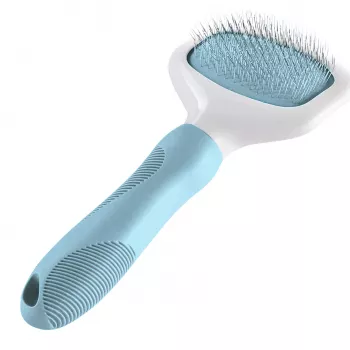
For routine at-home grooming, the Premium Slicker Brush for Dogs, Cats & Small Pets is built for comfortable coat maintenance across common shedding and detangling needs.
| Item | Details |
|---|---|
| Name | Premium Slicker Brush for Dogs, Cats & Small Pets |
| Price | 37.51 USD |
| Availability | In stock |
| Product page | https://ulorin.com/premium-slicker-brush-for-dogs-cats-small-pets/ |
More In-Stock Essentials
- Triple-Sided Ultra-Fine Soft Bristle Toothbrush for Enhanced Oral Health (a convenient personal-care add-on for pet owners who like to keep travel and bathroom essentials stocked).
FAQ
How often should a dog or cat be brushed with a slicker brush?
Short-coated pets often do well with 1–2 sessions per week, while medium to long coats may benefit from 3–5 sessions per week. Double-coated dogs commonly need short, more frequent sessions during seasonal shedding, with quick skin checks to avoid irritation.
Can a slicker brush hurt a pet’s skin?
Yes—if you press too hard or over-brush the same area, the pins can cause redness or “brush burn.” Use light strokes, avoid thin-skin zones, and stop promptly if you see pink skin or your pet shows discomfort.
What should be used for severe mats: a slicker brush or something else?
A slicker brush can help with small tangles when you work gently in tiny sections, but tight or close-to-skin mats are safer for a professional groomer to remove. Pulling hard or cutting mats at home can easily nick skin, especially in sensitive areas.
Recommended for you


Was this article helpful?
Yes
No









Leave a comment