-
Shop
- Advanced Technologies
- AI Skills for Creators & Freelancers
- AI Client Management
- AI Ethics
- AI Mindset
- AI Tools & Prompts
- AI Writing & Content Creation
- Audio, Voice & Music
- Design & Visual Creation
- Email, Messaging & Communication
- Freelancing & Business
- Marketing, Ads & Conversion
- Productivity, Workflow & Automation
- SEO & Search Optimization
- Social Media Content & Growth
- Strategy, Planning & Analytics
- Video Creation & Editing
- AI Skills Mastery 2026 Collection
- Bathroom
- Best-Sellers
- Car Accessories
- Confidence
- Dating & Social Skills
- Digital Resources
- Easter Products
- Education & Learning
- Family & Parenting
- Fashion
- Fashion Accessories
- Furniture
- Gadgets
- Health & Beauty
- Health & Wellness
- Home & Garden
- Home Electronics
- Home Supplies
- Jewelry
- Kids & Babies
- Kitchen
- Lighting
- Patio, Lawn & Garden
- Personal Growth
- Pet Care
- Pet Supplies
- Pets
- Shoes
- Smart Home Living Guides
- Sport & Outdoors
- Stress Relief & Relaxation
- Super Deals
- TikTok Growth & Monetization Mastery
- Travel
- Travel & Adventure
- Wealth
- Wellness
Safe Fish Tank Decorations: Checklist for Healthy Aquariums
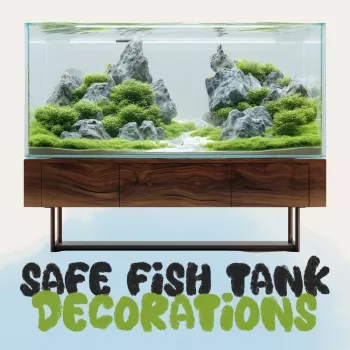
Safe Fish Tank Decorations Checklist: Best Decorations for Safe Fish Tanks
Decorations should make an aquarium feel natural and interesting without introducing sharp edges, toxic coatings, unstable structures, or hard-to-clean traps. A “cool-looking” ornament isn’t worth torn fins, trapped fish, or surprise chemistry swings. Use the checklist below to prioritize fish safety, water quality stability, and easy maintenance—so the tank stays healthy long after the décor goes in.
Quick safety checklist before anything goes in the tank
- Confirm the item is intended for aquarium use or made from a proven inert material (no mystery plastics, unknown metals, or painted ceramics).
- Run a hand over every edge and opening: remove or avoid pieces with burrs, razor seams, splinters, or tight holes that can trap fish.
- Avoid decorations with flaking paint, strong chemical odors, oily residue, or glitter coatings that can shed into the water.
- Check for stability: pieces should sit flat on the bottom, not tip easily, and not rely on stacking without support.
- Plan cleaning access: if a decoration blocks siphoning or traps debris, it can become a waste hotspot and drive algae or poor water quality.
Decoration Safety Check (at-a-glance)
| Check | Why it matters | Pass criteria |
|---|---|---|
| Edges and seams | Prevents torn fins, scrapes, and mouth injuries | Smooth to the touch; no sharp points or rough mold lines |
| Openings and tunnels | Reduces risk of fish getting stuck | Openings larger than the fish’s body (including fins) and no pinch points |
| Coatings/paint | Prevents toxins and flakes in water | No peeling; labeled aquarium-safe; no strong odor |
| Material type | Avoids leaching metals/chemicals | Inert resin, aquarium-safe silicone, natural rock/wood prepared correctly |
| Cleanability | Limits waste buildup and algae | Can be lifted and rinsed; no unreachable sludge pockets |
| Stability/weight | Prevents collapses that injure fish or crack glass | Sits flat; heavy items supported; no wobbly stacks |
Materials that are usually safe (and what to avoid)
- Aquarium-safe resin and molded ornaments: choose reputable aquarium-labeled pieces; rinse well before use and inspect for sharp seams.
- Natural rocks: pick inert stones and avoid anything that crumbles or has metallic streaks. If you’re unsure, a simple vinegar fizz test can screen for carbonate rocks that may raise hardness/pH (use intentionally for hard-water setups).
- Driftwood and botanicals: use aquarium-grade driftwood or properly prepared wood; expect tannins that can tint water and may slightly lower pH in some tanks.
- Ceramics and pottery: only unglazed or aquarium-safe glazed pieces; avoid unknown glazes and painted items that can contain heavy metals.
- Avoid: untreated metals, 3D-printed resin not rated for aquatic use, items with unknown sealants, soft plastics that become brittle, and “craft store” décor that is not designed for submersion.
When in doubt, choose products made specifically for aquatic use and designed to stay stable underwater. This also lowers the risk of coatings or additives that weren’t meant for continuous immersion. For background on why certain substances are regulated for contact safety, see the FDA’s overview of Food Contact Substances (while not aquarium-specific, it’s a helpful window into how migration and material safety are evaluated).
Best decoration types for fish safety and comfort
Good décor isn’t just decoration—it supports normal behavior. For general welfare guidance on fish needs and reducing stressors, the RSPCA’s fish care overview is a useful reference: RSPCA — Fish: Keeping fish as pets.
Placement rules that prevent injuries and tank damage
Cleaning and preparation steps that protect water quality
For stubborn dust or tight crevices, a small, soft-bristle brush reserved only for aquarium use can make prep and routine cleaning easier. If you want a gentle option, see Triple-Sided Ultra-Fine Soft Bristle Toothbrush for Enhanced Oral Health (use it as an aquarium-only detailing brush, never with toothpaste or chemicals).
Warning signs to remove a decoration immediately
If you suspect a metal or glaze issue, it’s worth remembering that even low levels of contaminants can matter over time in a closed system. For perspective on why lead and similar contaminants are taken seriously in water contexts, review the EPA’s overview: EPA — Basic Information about Lead in Drinking Water.
Shop: a ready-to-use safety checklist
If you want a simple, repeatable way to screen décor before it ever touches your aquarium, keep a printable checklist on hand: Safe Fish Tank Decorations Checklist: Best Decorations for Safe Fish Tanks.
FAQ
Are plastic plants safe for fish tanks?
Some are, but rigid plastic plants can tear fins and scrape fish. Live plants or soft silk plants are typically safer; if you use plastic, make sure edges are soft and snag-free by running pantyhose over the plant to catch sharp points.
Can decorations change pH or water hardness?
Yes. Limestone, coral, and aragonite can raise hardness and pH, while driftwood and botanicals can release tannins that tint the water and may slightly lower pH. Test your water and choose materials that match the fish species you keep.
How should new tank decorations be cleaned before use?
Rinse with water only and scrub off dust or residue with a dedicated brush—never use soap or household cleaners. For some rocks or small wood pieces, boiling or soaking in dechlorinated water can help, as long as it’s appropriate for the specific material.
Recommended for you


Was this article helpful?
Yes
No









Leave a comment