-
Shop
- Advanced Technologies
- AI Skills for Creators & Freelancers
- AI Client Management
- AI Ethics
- AI Mindset
- AI Tools & Prompts
- AI Writing & Content Creation
- Audio, Voice & Music
- Design & Visual Creation
- Email, Messaging & Communication
- Freelancing & Business
- Marketing, Ads & Conversion
- Productivity, Workflow & Automation
- SEO & Search Optimization
- Social Media Content & Growth
- Strategy, Planning & Analytics
- Video Creation & Editing
- AI Skills Mastery 2026 Collection
- Bathroom
- Best-Sellers
- Car Accessories
- Confidence
- Dating & Social Skills
- Digital Resources
- Easter Products
- Education & Learning
- Family & Parenting
- Fashion
- Fashion Accessories
- Furniture
- Gadgets
- Health & Beauty
- Health & Wellness
- Home & Garden
- Home Electronics
- Home Supplies
- Jewelry
- Kids & Babies
- Kitchen
- Lighting
- Patio, Lawn & Garden
- Personal Growth
- Pet Care
- Pet Supplies
- Pets
- Shoes
- Smart Home Living Guides
- Sport & Outdoors
- Stress Relief & Relaxation
- Super Deals
- TikTok Growth & Monetization Mastery
- Travel
- Travel & Adventure
- Wealth
- Wellness
Retro Bluetooth Speaker Guide: Style, Sound & Setup
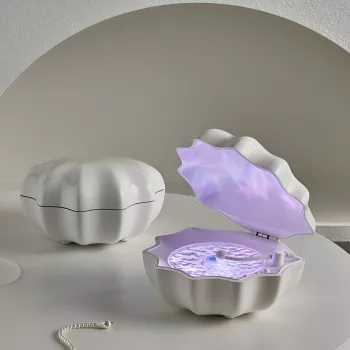
Retro Bluetooth Speaker: Vintage Style, Modern Wireless Convenience
A retro-styled Bluetooth speaker brings a little personality to a desk, shelf, or patio table while keeping everyday listening straightforward. The charm comes from the mix of classic radio-inspired design with modern wireless pairing, portable power, and easy controls for music, podcasts, and calls—without needing a complicated setup.
What Makes a Retro Speaker Different
Retro Bluetooth speakers stand out because they’re built as much for atmosphere as they are for audio. Instead of disappearing into the background like many modern pucks, they look intentional—like a decor piece that also plays your playlists.
- Vintage-inspired styling that fits home decor, workspaces, and themed rooms.
- Simple, tactile controls that feel closer to classic radios than app-heavy devices.
- Great for casual listening: background music, voice content, and small-room sound.
- A smart gift option when appearance matters as much as functionality.
Design Details to Look For
Small design choices can make a retro speaker feel premium (or flimsy) day to day. Before buying, consider how it will look in your space and how often you’ll reach for the controls.
- Cabinet shape and finish: Wood-grain, leather-like wraps, and matte plastics each set a different mood—mid-century, classic radio, or minimalist retro.
- Front grille styling: Mesh versus slatted designs change the whole face of the speaker and can also affect how well it hides fingerprints and dust.
- Control layout: Dedicated knobs or clearly separated buttons for volume, play/pause, and mode switching are easier to use at a glance.
- Port placement: Rear/side ports keep the front clean, but they should still be reachable once the speaker is on a shelf.
Sound and Loudness Expectations
Most retro Bluetooth speakers are tuned for pleasant everyday listening rather than shaking the walls. That’s a feature, not a flaw—especially for bedrooms, offices, and kitchens where clarity and comfort matter more than raw volume.
- Best for small spaces: Bedrooms, home offices, dorm rooms, kitchens, and small gatherings.
- Clear midrange matters: Vocals should sound natural for podcasts, audiobooks, and acoustic music.
- Warmth at low volume: A gentle bass lift can make music feel fuller when you’re not listening loudly.
- Placement changes tone: Near a wall often boosts perceived bass; open spaces can sound lighter and less punchy.
If you’re hearing rattles at higher volumes, that’s often the enclosure or surface vibrating. Moving the speaker to a sturdier table, or slightly lowering volume, can make the sound feel cleaner immediately.
Bluetooth Pairing and Everyday Playback
Wireless convenience is the point: pairing should take less than a minute and reconnect easily later. Bluetooth performance can vary in the real world based on obstacles and nearby interference.
- Pairing basics: turn on the speaker, enable Bluetooth on your phone, select the speaker name, then confirm.
- Range depends on your environment—walls, metal shelving, and dense furniture can reduce distance.
- For smoother playback, keep the speaker in line-of-sight and a bit away from crowded Wi‑Fi routers.
- If audio stutters, reduce distance and disable unused nearby Bluetooth devices.
For deeper technical details on Bluetooth behavior and versions, the official Bluetooth Core Specification is the authoritative reference.
Power, Charging, and Portability
Portable speakers are easiest to live with when charging is simple and you can move them from room to room without thinking about it. A few basic habits can help keep the battery feeling strong over time.
- Don’t store the speaker fully drained for long periods; top it up occasionally.
- For travel or outdoor use, pack the right cable and consider a small power bank.
- If it lives on a desk, keeping it near a charger makes daily use effortless.
Quick Specs at a Glance
| Category | What to Check | Why It Matters |
|---|---|---|
| Build & controls | Buttons/knobs feel solid, labels are readable | Makes daily operation faster and more satisfying |
| Wireless | Bluetooth pairing stability and usable range | Fewer dropouts and easier reconnection |
| Sound | Vocal clarity, bass at low volume, distortion at high volume | Better balance for music and voice content |
| Power | Charging method and typical listening time per charge | Determines how often it needs to be plugged in |
| Placement | Size, weight, and where ports are located | Fits shelves/desks and keeps cables tidy |
Best Places and Scenarios to Use It
Care, Cleaning, and Simple Troubleshooting
For a practical overview of how interference can affect wireless electronics, the FCC consumer guide on interference is a helpful resource.
Retro Bluetooth Speaker Product Option
If you want the retro look without giving up modern convenience, a compact Retro Bluetooth Speaker is a simple way to add character to a room while keeping wireless playback easy. It’s a good fit for desks, shelves, and everyday listening where you want quick pairing and familiar, tactile controls.
For road trips and hands-free navigation (while your phone handles music or podcasts), consider pairing your setup with a Universal Car Steering Wheel Phone Mount for Safe Navigation to keep your screen accessible without fumbling around mid-drive.
FAQ
How do you pair a retro Bluetooth speaker with an iPhone or Android phone?
Turn on the speaker and put it in Bluetooth mode, then open Bluetooth settings on your phone and select the speaker from the device list. Confirm pairing and play audio to test; if it doesn’t appear, toggle Bluetooth off and on or restart the speaker.
Why does a Bluetooth speaker crackle or cut out?
Crackling or dropouts are often caused by distance, walls or metal objects, nearby wireless interference, or a low battery. Move the phone closer, charge the speaker, and re-pair if the connection seems stuck.
Can a retro Bluetooth speaker be used while charging?
Many portable speakers can play while charging, but it depends on the specific model. If you notice added noise while charging, try a different power adapter or unplug and run on battery.
Recommended for you
Was this article helpful?
Yes
No









Leave a comment