-
Shop
- Advanced Technologies
- AI Skills for Creators & Freelancers
- AI Client Management
- AI Ethics
- AI Mindset
- AI Tools & Prompts
- AI Writing & Content Creation
- Audio, Voice & Music
- Design & Visual Creation
- Email, Messaging & Communication
- Freelancing & Business
- Marketing, Ads & Conversion
- Productivity, Workflow & Automation
- SEO & Search Optimization
- Social Media Content & Growth
- Strategy, Planning & Analytics
- Video Creation & Editing
- AI Skills Mastery 2026 Collection
- Bathroom
- Best-Sellers
- Car Accessories
- Confidence
- Dating & Social Skills
- Digital Resources
- Easter Products
- Education & Learning
- Family & Parenting
- Fashion
- Fashion Accessories
- Furniture
- Gadgets
- Health & Beauty
- Health & Wellness
- Home & Garden
- Home Electronics
- Home Supplies
- Jewelry
- Kids & Babies
- Kitchen
- Lighting
- Patio, Lawn & Garden
- Personal Growth
- Pet Care
- Pet Supplies
- Pets
- Shoes
- Smart Home Living Guides
- Sport & Outdoors
- Stress Relief & Relaxation
- Super Deals
- TikTok Growth & Monetization Mastery
- Travel
- Travel & Adventure
- Wealth
- Wellness
Remove Fabric Pilling Fast: Bye-Bye Bobbles Checklist
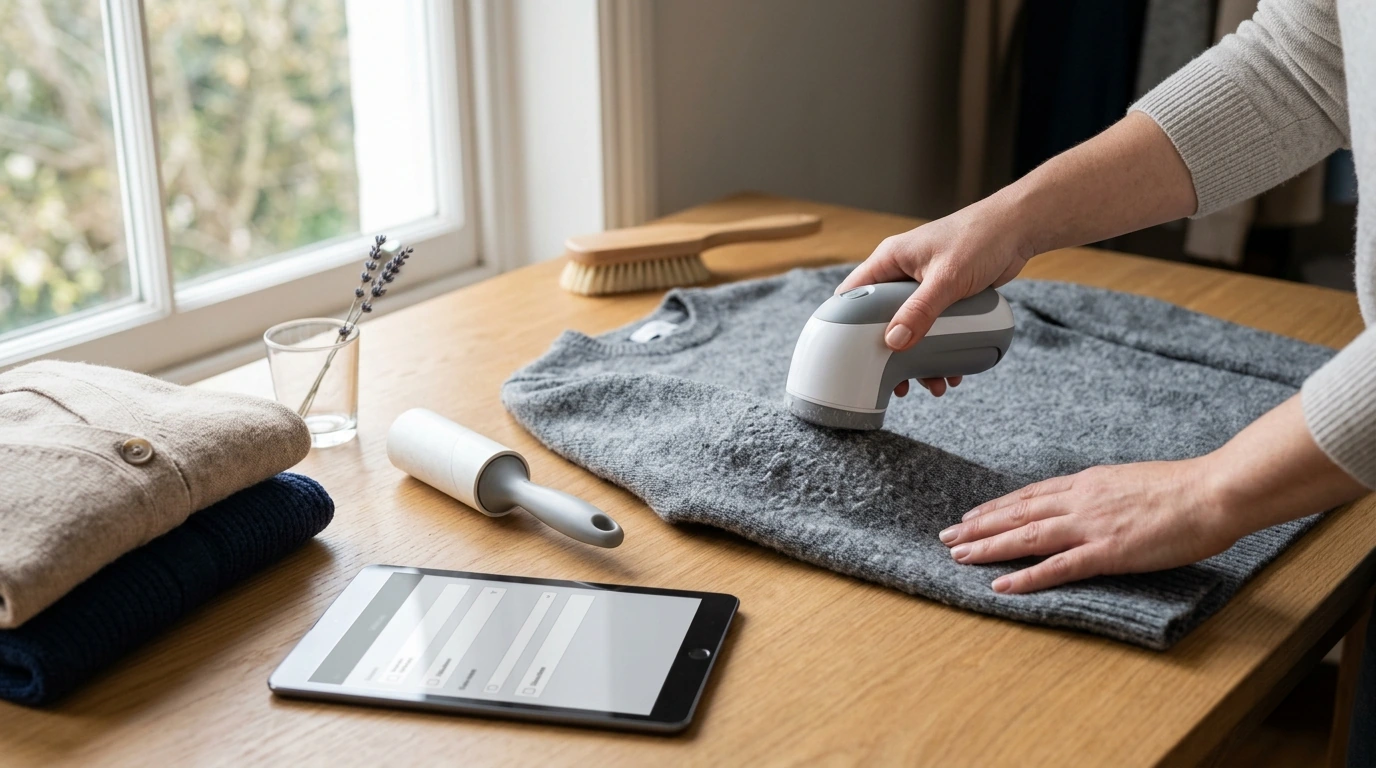
The “Bye-Bye Bobbles” Fashion Checklist: Remove Fabric Pilling and Refresh Your Wardrobe (Digital Download)
Fabric pilling can make favorite knits, tees, and loungewear look worn out long before their time. A simple, repeatable routine helps remove fuzz safely, prevent new pills from forming, and keep clothes looking smooth and polished. This digital checklist turns the process into quick steps that fit into regular laundry and wardrobe care—so you can get that “new again” look without guessing which tool or technique to use. For more guidance, see How to Remove Pilling From Clothes.
What Pilling Is and Why It Happens
Pills form when loose fibers on the fabric surface tangle from friction, then ball up into small bobbles. That friction can come from everyday movement (underarms, inner thighs, the seat area), rougher fabrics rubbing against softer knits, or heavy agitation during washing and drying. For further reading, see Fabric Care Tips: Removing Pilling Keeps Old Clothes New.
Some materials are simply more prone to pilling. Synthetics like polyester and acrylic, blended knits, and loosely spun yarns often shed short fibers that tangle easily. The good news: pilling is usually cosmetic rather than structural. With the right tool and a light touch, removing pills can restore a cleaner look without harming the garment.
For fiber care basics and garment-friendly handling, helpful references include Woolmark’s wool care guidance and Good Housekeeping’s pilling removal tips.
The “Bye-Bye Bobbles” Checklist: Quick Start Routine
A smooth, snag-free finish comes from a consistent process—less “scrape and hope,” more “prep, test, glide, finish.” This quick start mirrors the flow inside the digital download so it’s easy to repeat on laundry day.
1) Prep the garment
Lay the item flat on a firm surface (a table beats a soft bed). Smooth the fabric with your hand so the area is taut—this reduces the chance of catching a loose thread or shaving unevenly.
2) Choose the right method
Select your tool based on fabric type and how widespread the pilling is. If you’re not sure, start with the gentlest option and test on an inconspicuous area first.
3) Work in sections
Use light, even passes and keep the tool moving. Avoid pressing hard or hovering in one spot—most damage happens from overworking a small patch.
4) Finish clean
Pick up loosened fuzz with a lint roller or soft brush, then inspect high-friction zones (seams, cuffs, underarms, sides). A quick final pass often makes the difference between “better” and “polished.”
5) Reset for prevention
Turn items inside out before washing, reduce tumble time, and store knits folded to minimize rubbing and stretching that can invite more pills.
Pilling Removal Methods at a Glance
| Method | Best for | Pros | Watch-outs |
|---|---|---|---|
| Fabric shaver (electric/manual) | Sweaters, fleece, blends with widespread pilling | Fast and consistent results | Test on an inconspicuous area; avoid delicate open knits and raised textures |
| Sweater comb / pumice-style stone | Wool, thicker knits, localized pills | Good control; no batteries | Use gentle pressure; not ideal for very fine knits |
| Lint roller / clothing brush | Surface fuzz, pet hair, light pilling | Quick finishing step | Won’t remove embedded pills on its own |
| Scissors (spot trimming) | A few isolated pills | Precise for small touch-ups | Time-consuming; risk of snipping fabric if rushed |
Fabric-Specific Tips for Better Results
Different fibers respond differently to friction—and to de-pilling tools. Tailoring the approach helps you remove pills while keeping the fabric surface even.
- Wool and wool blends: Use a sweater comb with light strokes. Avoid repeated passes on the same area to prevent thinning.
- Cotton jerseys: Pilling often comes from blends or high-friction wear. Shave lightly and focus on underarms and side seams.
- Acrylic/polyester knits: Recurring pilling is common. The biggest long-term gains come from gentler washing, less heat, and reduced tumble friction.
- Delicates (cashmere, fine merino, lace knits): Prioritize minimal friction and spot-treat slowly. For very delicate investment pieces, professional care may be the safer route.
- Fleece and athleisure: Use a shaver with minimal pressure, then finish with a brush to lift the nap back up.
Preventing Pilling: Laundry, Wear, and Storage Habits
Pill removal is satisfying, but prevention is what keeps your wardrobe looking crisp for longer. Small habit changes reduce abrasion and fiber stress—the two biggest drivers of pilling.
What’s Inside the Digital Download Checklist
If you want a simple system you can reuse on everything from sweaters to loungewear, see The “Bye-Bye Bobbles” Fashion Checklist – Digital Download.
A Quick Wardrobe Refresh Pairing (Beyond De-Pilling)
Once knits and tees look smooth again, a small style reset can make outfits feel newer without a full closet overhaul. A clean pair of everyday sneakers can help refreshed basics look intentional rather than “just casual.” If you’re updating a few staples at the same time, consider Armani Exchange Men’s Sneakers as a polished, wear-anywhere option.
When to Stop: Signs a Garment Needs a Different Fix
FAQ
Does removing pills damage fabric?
It doesn’t have to—using the right tool with light pressure and steady passes is typically safe. Damage usually happens when pressing too hard, shaving delicate/open knits, or repeatedly working the same spot.
Why do some new clothes pill after only a few wears?
Pilling can show up quickly when fabrics contain short fibers, loose knits, or synthetic blends that shed and tangle. Even brand-new garments can pill if they’re exposed to high friction during wear or heavy agitation in the wash.
What’s the safest way to remove pilling from delicate sweaters?
Start with the gentlest method (light sweater-comb strokes or careful spot trimming) and avoid aggressive shaving. Washing inside out in a mesh bag and air-drying helps prevent new pills, and very delicate pieces may be best handled by a professional.
Recommended for you



Was this article helpful?
Yes
No









Leave a comment