-
Shop
- Advanced Technologies
- AI Skills for Creators & Freelancers
- AI Client Management
- AI Ethics
- AI Mindset
- AI Tools & Prompts
- AI Writing & Content Creation
- Audio, Voice & Music
- Design & Visual Creation
- Email, Messaging & Communication
- Freelancing & Business
- Marketing, Ads & Conversion
- Productivity, Workflow & Automation
- SEO & Search Optimization
- Social Media Content & Growth
- Strategy, Planning & Analytics
- Video Creation & Editing
- AI Skills Mastery 2026 Collection
- Bathroom
- Best-Sellers
- Car Accessories
- Confidence
- Dating & Social Skills
- Digital Resources
- Easter Products
- Education & Learning
- Family & Parenting
- Fashion
- Fashion Accessories
- Furniture
- Gadgets
- Health & Beauty
- Health & Wellness
- Home & Garden
- Home Electronics
- Home Supplies
- Jewelry
- Kids & Babies
- Kitchen
- Lighting
- Patio, Lawn & Garden
- Personal Growth
- Pet Care
- Pet Supplies
- Pets
- Shoes
- Smart Home Living Guides
- Sport & Outdoors
- Stress Relief & Relaxation
- Super Deals
- TikTok Growth & Monetization Mastery
- Travel
- Travel & Adventure
- Wealth
- Wellness
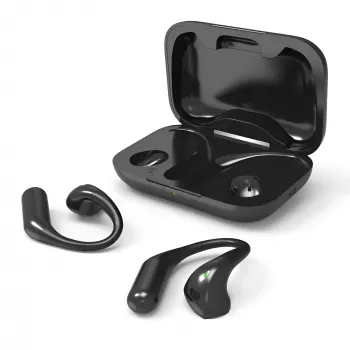
Real-Time Bluetooth Translator Earbuds (Up to 144 Languages)

144-Language AI Translator Earbuds with Real-Time Bluetooth Translation
Real-time translator earbuds can take a lot of friction out of travel, international calls, and everyday conversations across languages—without constantly handing a phone back and forth. Paired with a smartphone app over Bluetooth, they’re built to help you hear translations quickly and keep conversations moving naturally. Below is a practical breakdown of what these earbuds do, how real-time Bluetooth translation typically works, and what to consider before choosing a pair for commuting, customer interactions, or trips abroad.
What These Translator Earbuds Are Designed To Do
Translator earbuds are primarily meant to convert spoken speech into another language in near real time when used with a compatible phone app. Most pairs also work like standard Bluetooth earbuds for music and calls—the standout difference is the translation feature and the conversation modes that make two-way communication easier.
They fit common multi-language situations: asking for directions, ordering food, checking into a hotel, ride-hailing, quick shopping questions, or casual conversation with someone who doesn’t share your primary language. Depending on the mode, you might listen to translated speech through the earbuds while your phone captures the speaker’s voice, or you might pass one earbud to the other person for a more “back-and-forth” flow.
Key Features at a Glance
The big appeal is broad language coverage—often advertised as up to 144 languages (availability can vary by app, region, and language pack support). Pairing happens over Bluetooth for easy, on-the-go use with a smartphone, and the earbud form factor keeps your hands free while you’re walking, carrying luggage, or juggling a coffee and a boarding pass.
| Feature | What to Expect | Why It Matters |
|---|---|---|
| Language support | Up to 144 languages | Broader coverage for travel and mixed-language groups |
| Connection | Bluetooth (paired with a phone) | Stable audio and quick switching between apps and calls |
| Translation style | Real-time / near real-time via app | More natural back-and-forth conversation flow |
| Use cases | Travel, commuting, meetings, casual chat | Versatile daily utility beyond one-off trips |
Bluetooth performance can differ by phone model, operating system, and environment. For deeper technical background on Bluetooth capabilities and profiles, the Bluetooth SIG specifications overview is a reliable reference.
How Real-Time Bluetooth Translation Typically Works
Most setups follow a simple sequence. First, pair the earbuds to your phone via Bluetooth. Then open the companion translation app and select the source and target languages (and dialects if available). Many apps include multiple modes, such as a face-to-face conversation mode and a listening mode meant for longer stretches of speech (like a lecture, guided tour, or meeting).
In practice, your phone usually does the heavy lifting: it captures audio (via the phone mic and/or earbud mic), sends it to the app for processing, and plays translated audio back through the earbuds. Because the translation is software-driven, network quality can influence speed. If you notice lag, switching to a stronger connection—or using offline language packs when supported—often helps. For a broader view of how machine translation is tested and evaluated, NIST machine translation resources is a solid starting point.
Where These Earbuds Fit Best (Travel, Work, and Daily Life)
Travel
For travel, the best use is quick, transactional exchanges: directions, ordering meals, transportation questions, and hotel check-in basics. Translator earbuds can be especially convenient when you’re moving—walking through a station, navigating a busy street, or trying to keep a conversation going while you handle tickets or luggage.
Work
In customer-facing roles (retail, hospitality, field visits), these earbuds can help bridge everyday questions and routine instructions. They’re not a replacement for professional interpreters in high-stakes scenarios, but they can reduce delays and misunderstandings for simple needs.
Learning and home use
For language learners, hearing quick translations can reinforce comprehension and help with pronunciation feedback in low-pressure practice. In multilingual households, they can also smooth communication between relatives who speak different primary languages.
Getting Better Accuracy and Smoother Conversations
Real-time translation improves noticeably with a few habits:
Limitations to Know Before Buying
Product Options Available Now
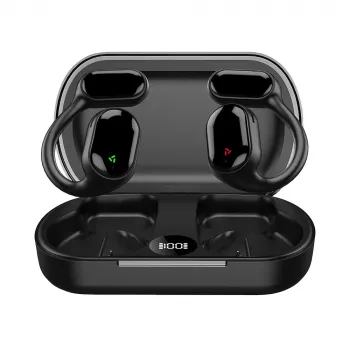
- 144 Language AI Translator Earbuds with Real-Time Bluetooth Translation — $25.67 (USD), in stock. Designed for quick multilingual conversations and on-the-go convenience.
- Universal Car Steering Wheel Phone Mount for Safe Navigation — $1.80 (USD), in stock. Helpful for keeping your phone steady and accessible when you’re using navigation or translation apps while parked (always follow local laws and drive safely).
- Armani Exchange Men’s Sneakers — $107.51 (USD), in stock. A practical add-on for travel days when comfort and walkability matter.
FAQ
Do translator earbuds work without internet?
Many real-time translation features rely on the phone app and an internet connection to process speech quickly. Some apps offer offline language packs, but coverage is usually limited and certain features may be reduced.
How accurate is real-time translation in busy places?
Accuracy can drop in busy environments due to background noise, speaker distance, and multiple voices. For better results, move to a quieter spot, use shorter sentences, and confirm the correct language/dialect settings in the app.
Can these earbuds also be used for music and calls?
Yes—when paired to a phone over Bluetooth, they typically function like regular earbuds for listening and calls. Translation runs through the companion app, depending on the mode you select.
Recommended for you

Was this article helpful?
Yes
No









Leave a comment