-
Shop
- Advanced Technologies
- AI Skills for Creators & Freelancers
- AI Client Management
- AI Ethics
- AI Mindset
- AI Tools & Prompts
- AI Writing & Content Creation
- Audio, Voice & Music
- Design & Visual Creation
- Email, Messaging & Communication
- Freelancing & Business
- Marketing, Ads & Conversion
- Productivity, Workflow & Automation
- SEO & Search Optimization
- Social Media Content & Growth
- Strategy, Planning & Analytics
- Video Creation & Editing
- AI Skills Mastery 2026 Collection
- Bathroom
- Best-Sellers
- Car Accessories
- Confidence
- Dating & Social Skills
- Digital Resources
- Easter Products
- Education & Learning
- Family & Parenting
- Fashion
- Fashion Accessories
- Furniture
- Gadgets
- Health & Beauty
- Health & Wellness
- Home & Garden
- Home Electronics
- Home Supplies
- Jewelry
- Kids & Babies
- Kitchen
- Lighting
- Patio, Lawn & Garden
- Personal Growth
- Pet Care
- Pet Supplies
- Pets
- Shoes
- Smart Home Living Guides
- Sport & Outdoors
- Stress Relief & Relaxation
- Super Deals
- TikTok Growth & Monetization Mastery
- Travel
- Travel & Adventure
- Wealth
- Wellness
Questions to Ask Your Mechanic: Costs, Proof, Warranty
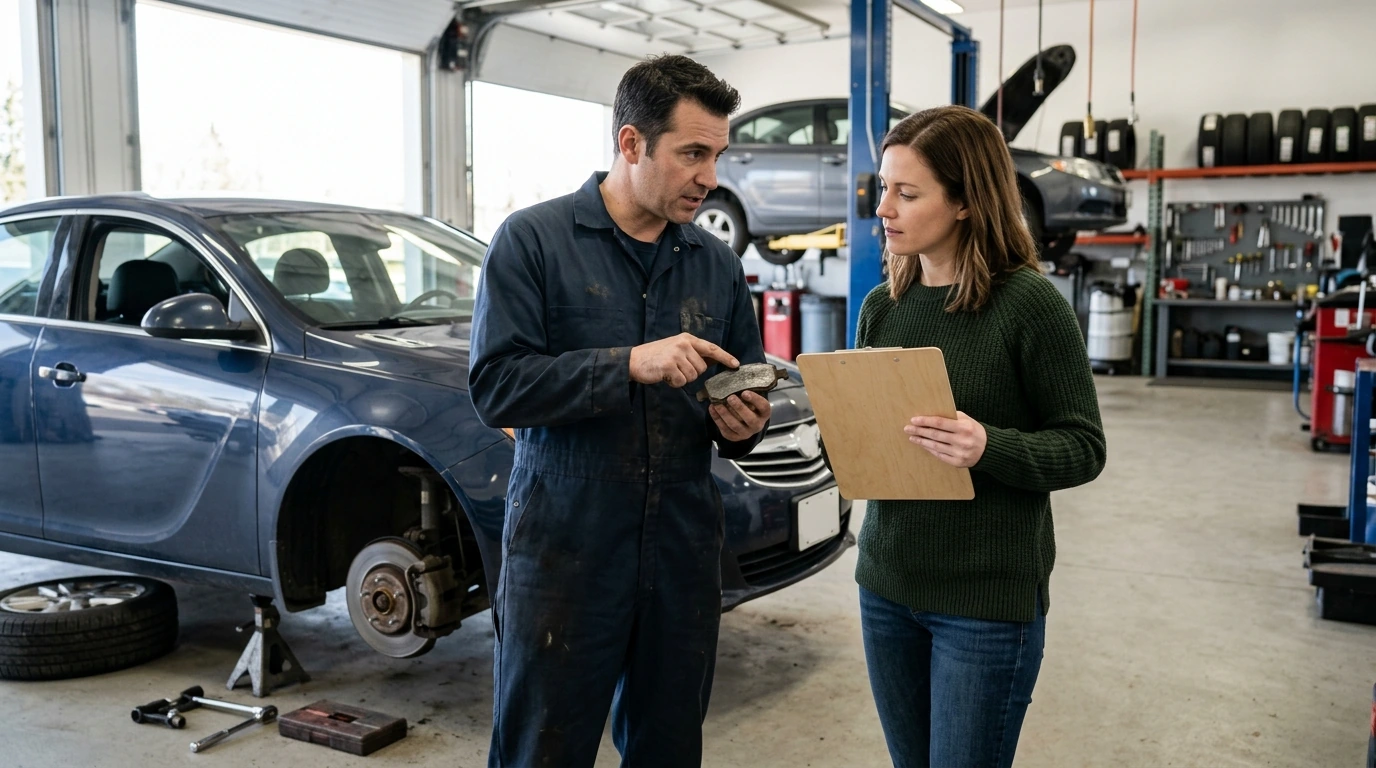
Unexpected car repairs are stressful, especially when the diagnosis sounds complicated and the estimate feels vague. A few well-timed questions can turn a confusing counter conversation into a clear plan: what’s wrong, what it costs, what can wait, and what’s guaranteed. Use this guide as a practical checklist to avoid miscommunication, prevent unnecessary work, and build a solid working relationship with a shop you can trust.
Before the car goes in: what to prepare and what to say
Good answers start with good information. The more clearly you describe the issue, the less time a shop spends guessing—and the lower the odds you pay for the wrong fix.
- Bring details that shorten diagnostic time: when the problem started, what conditions trigger it (cold start, braking, highway speed), and whether it’s getting worse.
- Share recent history: prior repairs, warning lights, fluid top-offs, accident or curb impact, and any DIY work or parts already installed.
- Ask upfront how diagnostics work: whether there is a diagnostic fee, what it includes, and if it is applied toward the repair if work is approved.
- Request communication preferences before drop-off: text/call updates, photo/video evidence, and a clear authorization process before any work begins.
If you’d like a ready-to-use checklist you can keep on your phone (or print), consider the Questions to Ask Your Mechanic Before Any Repair | Smart Car Owner Guide to Avoid Costly Mistakes, Build Trust & Save Money.
Questions that confirm the diagnosis (and reduce guesswork)
When a repair is recommended, your goal is to understand the evidence behind it. You’re not challenging anyone’s expertise—you’re buying clarity.
- “What specific symptoms did you confirm, and how?” Push for test results, scan data, measurements, or a road test summary instead of general statements.
- “What is the root cause, not just the failed part?” A failed component can be the result of another issue (leaks, wiring, overheating, wear elsewhere).
- “What other problems can create the same symptoms?” This reveals whether the shop is ruling things out or jumping to the most common fix.
- “Can you show me the issue?” Ask for the old part, photos, scan screenshots, or a quick walk-through—especially for high-cost repairs.
- “How confident are you, and what’s the next step if this doesn’t fix it?” A good answer includes a plan and what would be checked next.
Diagnosis questions that protect your wallet
| Question to ask | Why it matters | Good signs to listen for |
|---|---|---|
| What tests confirm this diagnosis? | Separates proven faults from guesses | Mentions codes, readings, pressure tests, smoke tests, voltage checks, or measured play |
| What did you rule out? | Shows systematic troubleshooting | Explains alternatives eliminated and how |
| Is there a safety risk if I delay? | Helps prioritize work | Clear guidance on drivability and consequences (overheating, braking risk, tire failure) |
| What caused the part to fail? | Prevents repeat failures | Mentions leaks, contamination, improper wear, or related components |
| If this repair doesn’t solve it, what then? | Prepares you for next steps and cost control | A staged plan with decision points and communication |
Estimate clarity: labor, parts, fees, and the “not-to-exceed” number
Many repair misunderstandings come down to how the estimate is presented. The fix might be legitimate, but the pricing can still be unclear unless it’s itemized.
- “Can I get a written estimate with parts, labor hours, shop supplies, and taxes listed separately?” Itemization makes comparisons and approvals straightforward.
- “Is this price an estimate or a fixed quote?” Understand what can change and under what conditions.
- “What is the not-to-exceed amount without contacting me?” Set a hard cap so costs don’t creep upward without permission.
- “What else is recommended vs required?” Request a split list: must-fix now, should-fix soon, and maintenance suggestions.
- “Are there less expensive options?” Ask about OEM vs aftermarket parts, rebuilt/remanufactured choices, or a staged approach when appropriate.
For a quick refresher on basic rights and best practices, review the FTC’s guidance here: Federal Trade Commission (FTC) — Auto Repair Basics.
Parts decisions: OEM vs aftermarket, rebuilt options, and who supplies them
Parts choice can swing the total bill dramatically. It can also change how long the repair lasts—and whether warranty coverage is simple or a headache.
Warranty and accountability: what happens if the problem returns
AAA also offers helpful context on estimates and what to ask for in writing: AAA — Repair Estimates and Your Rights (Car Repair).
Timing, updates, and approvals: keeping the repair on track
If you’re waiting during an update call or need safe directions to the shop, a simple accessory can reduce distractions: Universal Car Steering Wheel Phone Mount for Safe Navigation.
Red flags and money-saving boundaries without sounding confrontational
FAQ
Is it normal to pay a diagnostic fee even if the repair isn’t done?
Yes. Diagnostics is paid time and labor, and many shops apply that fee toward the repair if you approve the work. Confirm the fee amount, what tests are included, and whether it’s scan-only or hands-on troubleshooting.
Should the mechanic return the old parts after a repair?
You can request old parts, but some components are “cores” that must be returned for credit. Ask at drop-off and have it noted on the work order so expectations are clear.
How can a car owner avoid approving unnecessary work?
Ask for evidence and test results, request a written estimate that separates must-do items from recommendations, and set a not-to-exceed cap for any additional work. Also ask what happens if you delay and whether the vehicle is safe to drive.
Recommended for you


Was this article helpful?
Yes
No









Leave a comment