-
Shop
- Advanced Technologies
- AI Skills for Creators & Freelancers
- AI Client Management
- AI Ethics
- AI Mindset
- AI Tools & Prompts
- AI Writing & Content Creation
- Audio, Voice & Music
- Design & Visual Creation
- Email, Messaging & Communication
- Freelancing & Business
- Marketing, Ads & Conversion
- Productivity, Workflow & Automation
- SEO & Search Optimization
- Social Media Content & Growth
- Strategy, Planning & Analytics
- Video Creation & Editing
- AI Skills Mastery 2026 Collection
- Bathroom
- Best-Sellers
- Car Accessories
- Confidence
- Dating & Social Skills
- Digital Resources
- Easter Products
- Education & Learning
- Family & Parenting
- Fashion
- Fashion Accessories
- Furniture
- Gadgets
- Health & Beauty
- Health & Wellness
- Home & Garden
- Home Electronics
- Home Supplies
- Jewelry
- Kids & Babies
- Kitchen
- Lighting
- Patio, Lawn & Garden
- Personal Growth
- Pet Care
- Pet Supplies
- Pets
- Shoes
- Smart Home Living Guides
- Sport & Outdoors
- Stress Relief & Relaxation
- Super Deals
- TikTok Growth & Monetization Mastery
- Travel
- Travel & Adventure
- Wealth
- Wellness
Stop Overspending: Printable Checklist for Smarter Money

No More Money Mistakes: A Printable Checklist for Smarter Spending and Saving
Small, repeatable decisions shape financial outcomes more than big one-time choices. The hard part is that money choices often happen fast—between errands, work, family needs, and a constant stream of “limited-time” offers. A simple checklist creates a built-in pause so spending feels intentional, bills don’t get missed, and savings stays part of the plan without turning life into a spreadsheet.
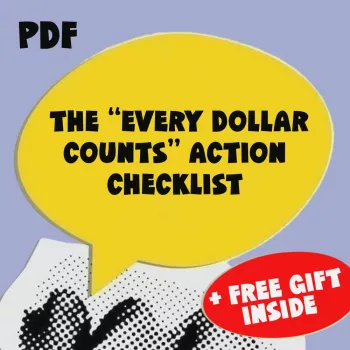
If you want a lightweight system you can actually stick with, the No More Money Mistakes printable financial checklist (digital download) is designed for everyday decisions: before a purchase, during a weekly reset, or at the start of a new month.
What This Checklist Helps You Do
- Reduce “autopilot” spending by adding a quick decision pause before purchases.
- Make sure essentials are covered first: bills, minimum debt payments, and core savings.
- Spot patterns that cause repeat mistakes (late fees, subscription creep, convenience spending).
- Turn vague goals into weekly and monthly actions that are easy to follow.
- Create a consistent routine that works even during busy weeks.
It’s not about being perfect. It’s about making fewer expensive “oops” moments—like buying something small and later realizing it pushed a bill late or ate the grocery budget.
What’s Inside the Digital Download
- A printable checklist that can be used daily, weekly, or per purchase.
- Prompts that encourage clear trade-offs between spending now and saving for later.
- A simple structure for reviewing cash flow, upcoming bills, and savings targets.
- Space to note “triggers” that lead to overspending and a plan to prevent repeats.
- A quick review section to capture wins and adjust the next week’s plan.
Because it’s printable, it works with whatever you already do—cash envelopes, a notes app, a budgeting app, or nothing at all. If you want more foundational guidance on budgeting and money management, the Consumer Financial Protection Bureau (CFPB) and the FDIC Money Smart program are solid, practical starting points.
A Simple Routine: When to Use the Checklist
1) Before discretionary purchases (under 2 minutes)
Use the questions as a quick filter before buying anything that isn’t essential or wasn’t planned. This is especially helpful for “small” purchases that don’t feel like a big deal in the moment.
2) Weekly money reset (10–15 minutes)
Pick one consistent day. Confirm which bills are coming due, review the last week’s spending, and set a weekly limit that fits your real calendar (appointments, travel, birthdays, etc.). Consistency matters more than intensity.
3) Monthly planning session (20–30 minutes)
Reconcile totals, evaluate goals, and adjust categories based on what actually happened. If take-home pay changes, tools like the IRS Tax Withholding Estimator can help you plan around your real net pay rather than guessing.
4) Anytime life changes
New bill, pay change, move, or schedule shift? Re-check commitments and update priorities so the plan matches reality.
Common Money Mistakes the Checklist Is Built to Catch
- Underestimating “small” expenses that add up (delivery fees, coffee stops, app purchases).
- Relying on memory instead of a written list for due dates and renewals.
- Making purchases based on monthly income while ignoring timing (cash flow gaps).
- Skipping an emergency buffer and then using credit for predictable expenses.
- Not separating needs, planned wants, and impulse wants—especially during sales.
One practical way to see the difference between planned and impulse spending is to compare two items side by side. A replacement toothbrush like the Triple-Sided Ultra-Fine Soft Bristle Toothbrush may be a “needed replacement,” while a flashy upgrade or duplicate purchase often belongs in a “wait 24 hours” lane. The checklist helps make that call quickly, without guilt.
Decision Check Table for Smarter Spending
| Question | Green Light | Yellow Flag | Red Flag |
|---|---|---|---|
| Is it already in the plan or category budget? | Yes, planned | Not planned but affordable | No plan and no room |
| Will this create a cash-flow issue before the next payday? | No | Maybe, tight week | Yes, likely short |
| Does it replace something you already own? | Needed replacement | Nice upgrade | Duplicate / clutter |
| Is there a cheaper option with similar value? | Already best value | Could research quickly | Clearly overpaying |
| Will you still want it in 7 days? | Very likely | Unsure | Probably not |
This kind of “decision friction” is especially useful with convenience purchases that feel harmless—like last-minute delivery fees, fast add-ons at checkout, or accessories you didn’t plan for (for example, a Universal Car Steering Wheel Phone Mount that suddenly appears as a “recommended” item). The checklist helps you ask, “Is this improving my life enough to trade away progress on my goals?”
How to Get the Most Value From a Printable Checklist
Who This Works Well For
To get started right away, the No More Money Mistakes printable checklist is a simple, affordable digital download that turns good intentions into a repeatable process—one decision at a time.
FAQ
How does a checklist help with overspending?
It adds a pause before you buy, making impulse spending less automatic and trade-offs more obvious. Used before purchases and during a weekly review, it helps you notice patterns (like convenience spending or subscription creep) and correct them early.
Can this work if income varies month to month?
Yes—focus on cash-flow timing and essentials first, then set flexible weekly limits that match the current month’s reality. The monthly review is where you adjust categories and commitments so you don’t overpromise based on a “best-case” paycheck.
Is this better than budgeting apps?
It’s a simple alternative or a companion: fewer moving parts, more privacy, and stronger habit-building for day-to-day choices. Apps can track in real time, while a checklist helps you make clearer decisions before money leaves your account.
Recommended for you


Was this article helpful?
Yes
No









Leave a comment