-
Shop
- Advanced Technologies
- AI Skills for Creators & Freelancers
- AI Client Management
- AI Ethics
- AI Mindset
- AI Tools & Prompts
- AI Writing & Content Creation
- Audio, Voice & Music
- Design & Visual Creation
- Email, Messaging & Communication
- Freelancing & Business
- Marketing, Ads & Conversion
- Productivity, Workflow & Automation
- SEO & Search Optimization
- Social Media Content & Growth
- Strategy, Planning & Analytics
- Video Creation & Editing
- AI Skills Mastery 2026 Collection
- Bathroom
- Best-Sellers
- Car Accessories
- Confidence
- Dating & Social Skills
- Digital Resources
- Easter Products
- Education & Learning
- Family & Parenting
- Fashion
- Fashion Accessories
- Furniture
- Gadgets
- Health & Beauty
- Health & Wellness
- Home & Garden
- Home Electronics
- Home Supplies
- Jewelry
- Kids & Babies
- Kitchen
- Lighting
- Patio, Lawn & Garden
- Personal Growth
- Pet Care
- Pet Supplies
- Pets
- Shoes
- Smart Home Living Guides
- Sport & Outdoors
- Stress Relief & Relaxation
- Super Deals
- TikTok Growth & Monetization Mastery
- Travel
- Travel & Adventure
- Wealth
- Wellness
Printable Calming Scent Checklist for Anxious Pets
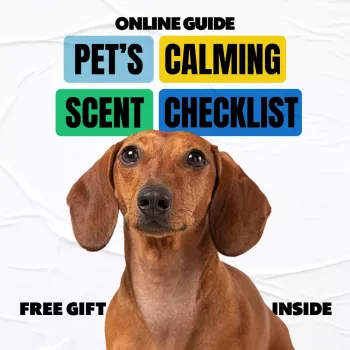
Pet’s Calming Scent Checklist: A Printable Routine for Gentler Days With Anxious Dogs and Cats
A calming-scent routine can support a pet’s comfort during common stress moments like travel, guests, grooming, or thunderstorms—when it’s used thoughtfully and safely. A simple printable tracker helps remove the guesswork by logging what was used, when it was used, how your pet responded, and what to avoid. Over time, patterns become clearer, which makes it easier to build predictable routines that feel reassuring rather than overwhelming.
If you want an easy way to stay consistent across family members and busy weeks, the Pet’s Calming Scent Checklist digital download is designed for both dogs and cats, with space to track multiple pets separately.
When calming scents can be helpful (and when they’re not)
Scents are best viewed as a low-pressure “comfort cue”—something that can be paired with predictable routines, enrichment, and positive reinforcement. The checklist works well when you’re tracking repeatable situations and noticing small shifts (settling faster, less pacing, fewer startle responses).
Common stress triggers to note on your checklist
Start by listing what sets your pet off most often: separation, fireworks, vet visits, boarding, car rides, new baby or pet, home renovations, loud appliances, nail trims, and bath time. These triggers often cluster by time of day (morning departures) or context (only when guests enter), which makes them easier to plan for.
Signs of stress worth tracking
Dogs: pacing, panting, trembling, whale eye, lip licking, yawning, barking, hiding, destructive behavior, or refusal to eat.
Cats: hiding, crouching, flattened ears, tail flicking, overgrooming, litter box changes, appetite changes, avoidance, or increased vocalizing.
When scents aren’t enough
If you see panic-level reactions, self-injury, aggression, sudden new anxiety, or any medical symptoms, skip experimentation and contact a veterinarian or behavior professional. For poison or exposure concerns, you can also reference the ASPCA Animal Poison Control Center or Pet Poison Helpline.
Safety first: scent rules for dogs and cats
Safety comes down to product choice, delivery method, and giving your pet control. In general, pick pet-appropriate options (such as hydrosols or pet-specific sprays) and favor passive scenting in a ventilated room over applying anything directly to fur, bedding, collars, paws, or carriers—unless the product is explicitly made and labeled for that use.
Cats, in particular, can be more sensitive to many compounds because of how they metabolize certain substances. Extra caution is also important for puppies, seniors, pregnant pets, and pets with respiratory conditions. When in doubt, consult a veterinarian or use unscented supports first (routine + enrichment). The American Veterinary Medical Association (AVMA) pet care resources are a helpful starting point for general guidance.
| Practice | Safer approach | Avoid |
|---|---|---|
| How scent is delivered | Passive: a lightly scented area in a ventilated room | Diffusing in enclosed spaces or directly near the pet’s face |
| Pet choice | Pet can leave; scent only in one zone | Blocking exits or scenting all rooms |
| Intensity | Start faint; increase only if response is calm | Strong smell that lingers for hours |
| Contact | Use pet-labeled products as directed | Undiluted oils on fur, paws, collars, or bedding |
| Monitoring | Observe 10–30 minutes; log behavior | Leaving scent running unattended for long periods |
Never force exposure. Stress reduction requires choice and control. Keep an “exit option” open so your pet can leave the scented area. Use minimal amounts, keep airflow moving, and never confine scent in carriers, crates, or small closed rooms.
Stop immediately if you notice drooling, vomiting, coughing, watery eyes, agitation, lethargy, tremors, pawing at the face, or refusal to enter the area. Ventilate the space and record the reaction on your stop list.
How to use the printable checklist day-to-day
The most useful routines are predictable, measurable, and boring in the best way. Instead of changing five things at once, use the checklist to make small, interpretable adjustments.
1) Run a baseline week
For several days, track triggers, time of day, and stress signs without introducing any new scents. This baseline helps you spot patterns like “anxiety spikes at 4–6 pm” or “pacing starts when keys jingle.”
2) Pick one situation to work on first
Focus on the most frequent, predictable trigger (often departures, guest arrivals, or grooming setup). Working with repetition makes your notes more reliable than starting with rare events like fireworks.
3) Introduce one change at a time
Try one scent option, one delivery method, and one duration. Keep everything else steady so you can tell what helped—and what didn’t.
4) Log what matters
5) Maintain a “stop list”
6) Review weekly
Pair calming scents with proven comfort strategies
Choosing a calming scent approach that fits your pet
Helpful add-ons for building a predictable routine
- Pet’s Calming Scent Checklist | Digital Download for Dog & Cat Anxiety Relief (print and keep copies where you’ll actually use them)
- Universal Car Steering Wheel Phone Mount for Safe Navigation (helps keep navigation stable so car routines stay calmer and more predictable)
What’s included in the digital download
FAQ
Are essential oils safe to use around dogs and cats?
Safety depends on the specific substance, concentration, and how your pet is exposed. Cats are especially sensitive, so avoid direct application and enclosed diffusion; prioritize ventilation, minimal exposure, and veterinary guidance for high-anxiety pets.
How long should a calming scent be used before deciding if it helps?
Try several consistent sessions across about a week while changing only one variable at a time. Look for trends such as faster settling, fewer stress behaviors, and a greater willingness to stay in the area.
What if my pet avoids the room or seems worse after introducing a scent?
Stop immediately, ventilate the space, and mark it on your checklist as a negative response so it isn’t repeated. Switch to unscented calming supports, and contact a veterinarian if any symptoms appear.
Recommended for you

Was this article helpful?
Yes
No









Leave a comment