-
Shop
- Advanced Technologies
- AI Skills for Creators & Freelancers
- AI Client Management
- AI Ethics
- AI Mindset
- AI Tools & Prompts
- AI Writing & Content Creation
- Audio, Voice & Music
- Design & Visual Creation
- Email, Messaging & Communication
- Freelancing & Business
- Marketing, Ads & Conversion
- Productivity, Workflow & Automation
- SEO & Search Optimization
- Social Media Content & Growth
- Strategy, Planning & Analytics
- Video Creation & Editing
- AI Skills Mastery 2026 Collection
- Bathroom
- Best-Sellers
- Car Accessories
- Confidence
- Dating & Social Skills
- Digital Resources
- Easter Products
- Education & Learning
- Family & Parenting
- Fashion
- Fashion Accessories
- Furniture
- Gadgets
- Health & Beauty
- Health & Wellness
- Home & Garden
- Home Electronics
- Home Supplies
- Jewelry
- Kids & Babies
- Kitchen
- Lighting
- Patio, Lawn & Garden
- Personal Growth
- Pet Care
- Pet Supplies
- Pets
- Shoes
- Smart Home Living Guides
- Sport & Outdoors
- Stress Relief & Relaxation
- Super Deals
- TikTok Growth & Monetization Mastery
- Travel
- Travel & Adventure
- Wealth
- Wellness
Deshedding Glove Tips for Cleaner Homes & Healthy Coats
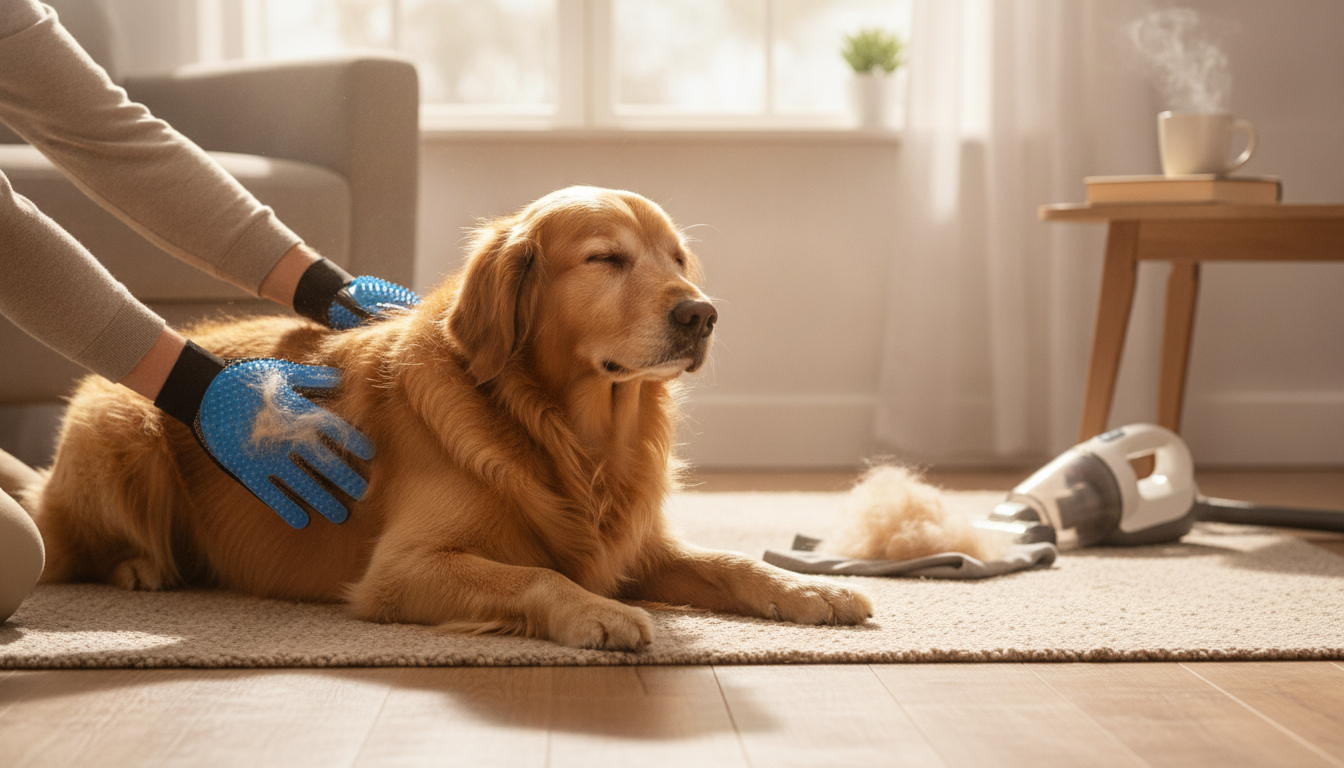
Pet Grooming and Deshedding Glove: A Simple Way to Reduce Shedding and Keep Coats Healthy
Loose hair, dander, and tangles build up quickly—especially during seasonal coat changes. A grooming glove turns everyday petting into a gentle grooming routine, helping lift shed fur, support skin health, and keep furniture cleaner with less effort. For many cats and dogs, it’s also an easier “yes” than a traditional brush, since it feels like attention rather than a chore.
Why shedding happens (and when it gets worse)
Shedding is a normal part of the hair growth cycle, but it can spike depending on the season, your pet’s environment, and overall health. Understanding the cause helps you choose the right routine instead of fighting fur with random tools.
- Seasonal coat changes: Many pets shed more in spring and fall. Indoor pets may shed year-round because consistent lighting and temperature reduce natural seasonal cues.
- Health and lifestyle factors: Diet quality, hydration, stress, parasites, allergies, and underlying skin conditions can amplify hair loss beyond “normal” shedding.
- Grooming impact: Regular grooming removes loose undercoat before it spreads through the home and helps prevent matting that can trap moisture, pull on the skin, and cause irritation.
For general shedding and coat-care guidance, reputable references like the American Kennel Club and ASPCA offer helpful grooming fundamentals and safety tips.
What a grooming and deshedding glove does well
A grooming glove is designed to catch loose hair while you stroke your pet, making it a low-pressure way to keep coats tidy between deeper grooming sessions.
- Collects loose hair like petting: The glove’s texture helps grab shed fur while feeling familiar, which can be especially helpful for pets that dislike brushes.
- Helps lift dander and debris: Gentle contact can lift surface dust and distribute natural oils, leaving the coat looking smoother and shinier.
- Perfect for quick touch-ups: Use it after a walk, between baths, or before guests arrive for fast “de-fuzzing.”
- Works across many coat types: Best results typically come from short to medium coats and light undercoat maintenance; very dense undercoats may still need a rake or deshedding tool at times.
How to use a deshedding glove (step-by-step)
Small adjustments in technique make a big difference in comfort and results. Aim for calm, consistent sessions instead of long, frustrating ones.
- Start short: Begin with 2–5 minutes and reward calm behavior. Increase time gradually for sensitive pets.
- Stroke with the coat: Use gentle, long strokes in the direction of hair growth. Avoid aggressive circular rubbing on thin-coated areas.
- Target high-shed zones: Focus on neck/chest, back, hips, and the base of the tail. Use lighter pressure on the belly and legs.
- Work in sections: During heavy shedding, groom one area at a time and peel off collected hair frequently so the glove keeps gripping effectively.
- Watch the skin: Stop if skin looks pink, flaky, or irritated. Resume later with less pressure and shorter sessions.
Dry grooming vs. damp grooming
Both approaches work—your choice depends on how much your pet is shedding, the coat type, and even the humidity in your home.
- Dry grooming: Fast and convenient for daily maintenance and quick topcoat cleanup.
- Lightly damp grooming: A slightly wet glove (or a lightly misted coat) can capture fine fur and reduce static, which is especially useful in dry climates or heated indoor air.
- Avoid soaking unless bathing: Too much moisture can worsen matting in long-haired or double-coated pets.
- Clean and dry the glove: Wipe away hair and debris after each use and let it dry to help prevent odor buildup.
Different types of pet grooming (and where a glove fits)
Coat care is only one part of grooming. A glove shines as an easy, frequent tool for routine maintenance, but it’s not meant to do every job—especially heavy de-matting.
Common grooming methods and typical uses
| Grooming method | Best for | Notes |
|---|---|---|
| Grooming/deshedding glove | Daily shedding control, sensitive pets, quick cleanups | Gentle feel; may not replace a de-matting tool for knots |
| Slicker brush | Light tangles and fluffing coats | Use softly; can irritate skin if pressed hard |
| Undercoat rake | Thick undercoats and seasonal sheds | Use with care on double coats; avoid over-raking |
| Comb | Finishing work, checking for mats and fleas | Great after brushing to confirm the coat is tangle-free |
| Deshedding tool (blade-style) | Heavy undercoat shedding | Can remove too much coat if overused; follow guidance for coat type |
Keeping shedding manageable at home
The best shedding plan is the one you can keep up with. Small habits add up quickly when they’re consistent.
- Choose a realistic routine: Light grooming most days beats occasional marathon sessions that overwhelm your pet.
- Support skin and coat from the inside: Balanced nutrition, clean water, and parasite prevention help reduce excessive shedding. If shedding changes suddenly, consult a veterinarian.
- Set up your space: Use washable throws, vacuum on a schedule, and keep a lint roller near entryways for quick touch-ups.
- During peak shedding: Combine glove sessions with a weekly deeper brush/comb-through to prevent buildup and reduce tumbleweeds of fur.
Pet Grooming and Deshedding Glove: practical highlights
- Designed to make coat care feel like a calming massage while lifting loose hair from the coat.
- Useful for routine grooming on cats and dogs, especially for daily or every-other-day maintenance.
- A budget-friendly option for households managing regular shedding across furniture, clothing, and bedding.
- Pairs well with a weekly comb-through for long-haired pets or during heavy seasonal shedding.
Shop in-stock essentials
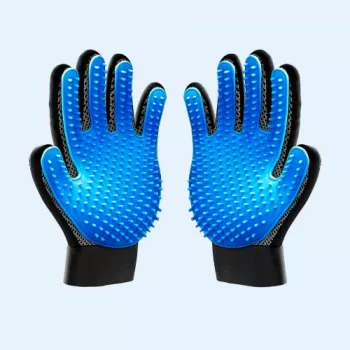
- Pet Grooming and Deshedding Glove
- Triple-Sided Ultra-Fine Soft Bristle Toothbrush for Enhanced Oral Health
FAQ
What are the different types of pet grooming?
Pet grooming typically includes coat care (brushing/deshedding, detangling, trimming, and conditioning), bathing with pet-safe products, nail trims, ear cleaning, and dental care. The right mix and frequency depend on coat type, lifestyle, and any skin or health concerns.
Recommended for you

Was this article helpful?
Yes
No









Leave a comment