-
Shop
- Advanced Technologies
- AI Skills for Creators & Freelancers
- AI Client Management
- AI Ethics
- AI Mindset
- AI Tools & Prompts
- AI Writing & Content Creation
- Audio, Voice & Music
- Design & Visual Creation
- Email, Messaging & Communication
- Freelancing & Business
- Marketing, Ads & Conversion
- Productivity, Workflow & Automation
- SEO & Search Optimization
- Social Media Content & Growth
- Strategy, Planning & Analytics
- Video Creation & Editing
- AI Skills Mastery 2026 Collection
- Bathroom
- Best-Sellers
- Car Accessories
- Confidence
- Dating & Social Skills
- Digital Resources
- Easter Products
- Education & Learning
- Family & Parenting
- Fashion
- Fashion Accessories
- Furniture
- Gadgets
- Health & Beauty
- Health & Wellness
- Home & Garden
- Home Electronics
- Home Supplies
- Jewelry
- Kids & Babies
- Kitchen
- Lighting
- Patio, Lawn & Garden
- Personal Growth
- Pet Care
- Pet Supplies
- Pets
- Shoes
- Smart Home Living Guides
- Sport & Outdoors
- Stress Relief & Relaxation
- Super Deals
- TikTok Growth & Monetization Mastery
- Travel
- Travel & Adventure
- Wealth
- Wellness
Penguin Silicone Training Cup: Leakproof, BPA-Free
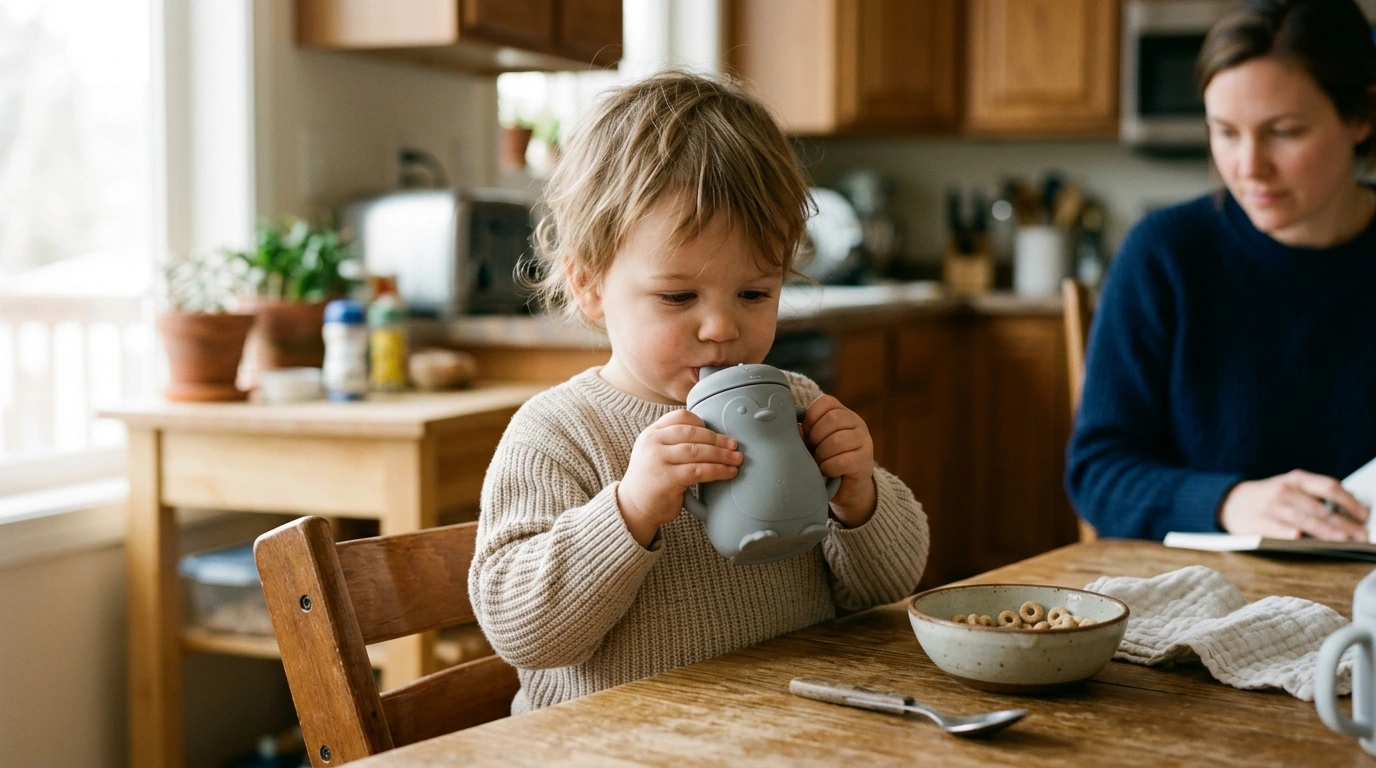
Moving from bottle to cup is a big milestone for little ones—and a messy one for parents. A soft silicone training cup with a playful penguin shape can make sipping practice feel familiar, while helping reduce spills and supporting developing oral skills. If you’re looking for a simple, toddler-friendly way to introduce independent drinking, a leak-resistant silicone cup is often an easy win for everyday routines.
What Makes a Training Cup Easier for Toddlers
The best first cups balance comfort, grip, and spill control. Toddlers are still building coordination, so the “right” cup is usually the one they can hold confidently and use without getting frustrated.
- Soft silicone feel: Gentle on gums during teething phases, especially compared with rigid plastic spouts.
- Easy-to-hold shape: Sized for small hands and early grip strength so children can practice without constant help.
- Spill-resistant, leakproof design: Helps protect clothes, floors, and car seats while kids learn tipping and pacing.
- Lightweight build: Easier for little arms at the table, in the stroller, or during playtime.
- Cute character styling: A friendly shape (like a penguin) can turn “practice” into something toddlers actually want to do.
Penguin Cup Highlights for Daily Use
A penguin-shaped silicone training cup is designed to make daily sipping practice more comfortable and less messy. For many families, the biggest advantage is how forgiving silicone is when toddlers drop, bump, or chew on their cup during the learning stage.
- BPA-free silicone: A softer, food-contact-friendly material that works well for everyday feeding routines.
- Leakproof construction: Helps contain milk, water, or diluted juice during practice and travel.
- Gentler transition: A soft spout or sipping surface (as designed) can feel less abrupt than moving straight from nipples to open cups.
- Rounded, flexible design: Helps reduce discomfort if a child bumps their mouth.
- Simple, packable shape: Easy to toss into a diaper bag and (size-dependent) can fit many cup holders.
| Feature | Why it matters for toddlers |
|---|---|
| BPA-free silicone | Avoids BPA exposure and offers a soft, toddler-friendly texture |
| Leakproof design | Helps minimize spills during learning and travel |
| Penguin shape | Encourages interest and practice through playful design |
| Soft body | Gentler on gums and safer for early independent sipping |
| Training-cup style | Supports the transition from bottle to independent drinking |
When a Soft Silicone Cup Is a Good Fit
Not every toddler takes to the same cup style, but silicone training cups often work especially well in a few common scenarios.
- Chewers and biters: For toddlers who bite or chew on spouts and need a softer material.
- Lower-mess practice: For families wanting a spill-resistant option while kids learn the basics.
- Daycare and outings: Leak resistance can reduce cleanup and protect bags from soggy surprises.
- Nightstand water: Helpful for bedtime water when spill risk is high.
- Routine-driven kids: Character-shaped items can become a cue that it’s time to sip at meals or snacks.
Safety and Material Notes to Keep in Mind
Even a well-made toddler cup needs regular checks. Small parts, wear-and-tear, and sugary drinks are the most common pitfalls to watch for.
- Confirm the cup is labeled BPA-free and made for food contact.
- Inspect the spout/valve area regularly for wear, tearing, or loosening.
- Use age-appropriate liquids, and avoid prolonged sipping on sweet drinks to help protect teeth.
- Supervise young children during use, especially early in the transition.
- Replace the cup if it becomes sticky, cracked, or develops persistent odor after cleaning.
For beverage guidance as kids move from bottle feeding toward cups, see the American Academy of Pediatrics resource on HealthyChildren.org: https://www.healthychildren.org. For broader feeding and drink recommendations, the CDC also maintains infant and toddler nutrition guidance: https://www.cdc.gov/nutrition/InfantandToddlerNutrition/.
Cleaning and Care for Silicone Training Cups
Silicone is convenient, but any cup with seams, valves, or detachable parts needs thorough cleaning to prevent residue and odors.
Helping Toddlers Transition with Less Spillage
When sweet drinks are part of the routine, keep them limited and avoid long, frequent sipping sessions—especially outside meals. The American Dental Association explains how sugary drinks can contribute to tooth decay in children: https://www.ada.org/resources/research/science-and-research-institute/oral-health-topics/tooth-decay.
Product Options (In Stock)
- Penguin-Shaped Silicone Baby Training Cup – BPA Free, Leakproof, Soft Toddler Bottle — $6.51 (in stock). A playful, soft silicone option for everyday sipping practice at home or on the go.
- Triple-Sided Ultra-Fine Soft Bristle Toothbrush for Enhanced Oral Health — $1.52 (in stock). A handy add-on for families building consistent oral-care routines alongside new drinking habits.
- Universal Car Steering Wheel Phone Mount for Safe Navigation — $1.80 (in stock). Useful for parents during travel days when toddlers are practicing cups in the car (always set navigation before driving).
FAQ
Is a silicone training cup safe for teething toddlers?
Food-grade, BPA-free silicone is commonly chosen because it’s soft and gentler on gums during teething. Supervise use and inspect the cup regularly for any tearing, loose parts, or damage.
How do leakproof toddler cups prevent spills?
Many leakproof cups use snug lids, silicone seals, and valves or spill-resistant spouts to reduce drips when tipped. If a lid is assembled incorrectly or the cup is squeezed forcefully, leaks can still happen.
How often should a toddler training cup be replaced?
Replace the cup when you notice wear such as cracks, tears, sticky texture, loosened valves, or persistent odors that don’t improve after thorough cleaning. Regular checks are especially important for cups used daily.
Recommended for you


Was this article helpful?
Yes
No









Leave a comment