-
Shop
- Advanced Technologies
- AI Skills for Creators & Freelancers
- AI Client Management
- AI Ethics
- AI Mindset
- AI Tools & Prompts
- AI Writing & Content Creation
- Audio, Voice & Music
- Design & Visual Creation
- Email, Messaging & Communication
- Freelancing & Business
- Marketing, Ads & Conversion
- Productivity, Workflow & Automation
- SEO & Search Optimization
- Social Media Content & Growth
- Strategy, Planning & Analytics
- Video Creation & Editing
- AI Skills Mastery 2026 Collection
- Bathroom
- Best-Sellers
- Car Accessories
- Confidence
- Dating & Social Skills
- Digital Resources
- Easter Products
- Education & Learning
- Family & Parenting
- Fashion
- Fashion Accessories
- Furniture
- Gadgets
- Health & Beauty
- Health & Wellness
- Home & Garden
- Home Electronics
- Home Supplies
- Jewelry
- Kids & Babies
- Kitchen
- Lighting
- Patio, Lawn & Garden
- Personal Growth
- Pet Care
- Pet Supplies
- Pets
- Shoes
- Smart Home Living Guides
- Sport & Outdoors
- Stress Relief & Relaxation
- Super Deals
- TikTok Growth & Monetization Mastery
- Travel
- Travel & Adventure
- Wealth
- Wellness
One-Day Big City Itinerary: Plan the Perfect Urban Day
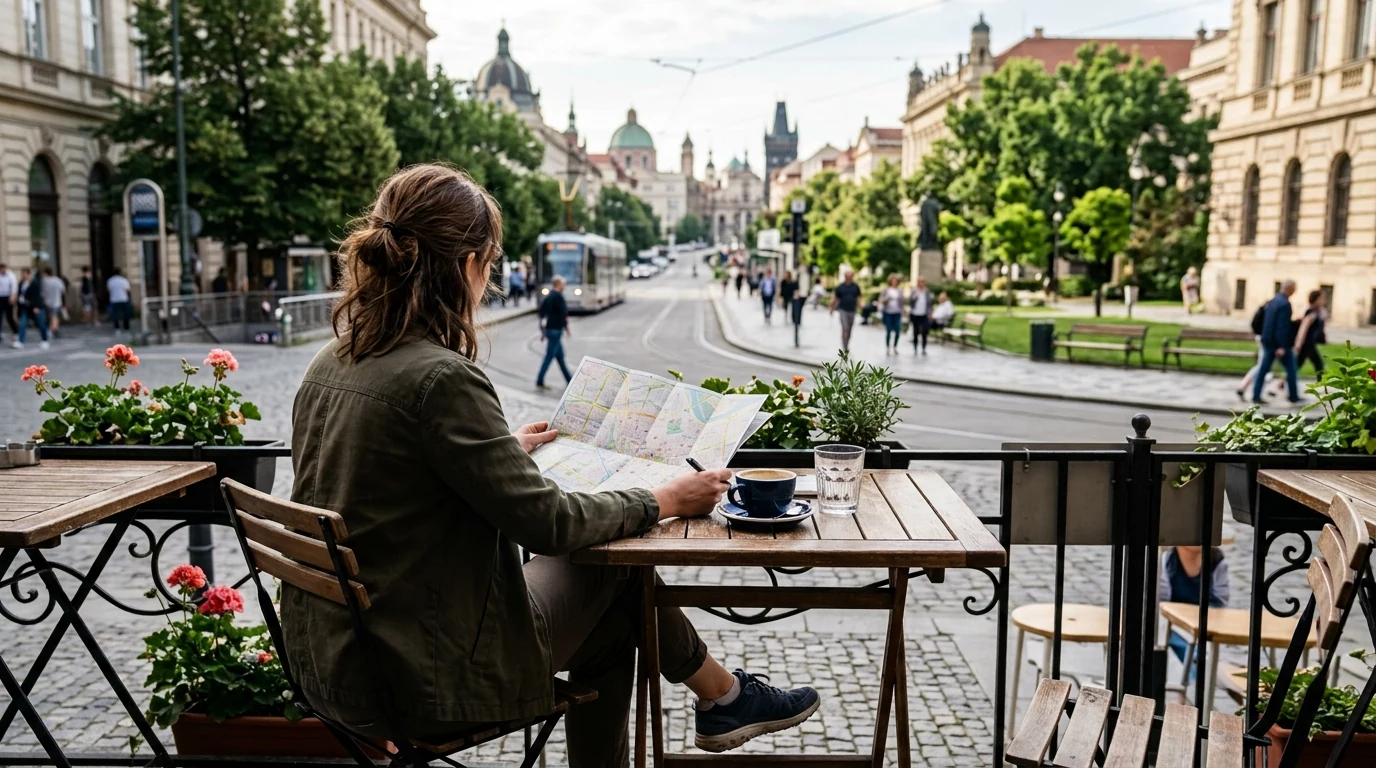
Your Smart Guide to a Perfect Urban Itinerary: Your Daily Itinerary for a Big City Adventure
Big cities reward good planning—and punish guesswork. Our team built this guide for travelers who want a full day that feels effortless: the right start time, the right neighborhood flow, and the right balance of landmarks, local food, and downtime. Use it to map a day that fits your pace, avoids the biggest crowds, and leaves room for the surprises that make a city feel personal.
What this guide helps solve in one day
- Stops that are too far apart: Build your day around a compact “core area,” then expand outward.
- Decision fatigue: Use a simple structure—morning icons, midday reset, afternoon highlights, evening atmosphere.
- Crowds and closures: Front-load reservations and high-demand sights, then keep flexible blocks later.
- Overplanning: Keep two “optional” mini-stops ready so the day stays fun even when plans change.
- Transit confusion: Choose one primary mode (walk + metro, or walk + rideshare) and commit to it for the day.
A simple daily structure that works in most big cities
| Time block | Goal | Best types of stops | Pro tip |
|---|---|---|---|
| 8:00–10:30 | Win the day early | Top attraction, viewpoint, famous district | Arrive at opening; crowds build fast |
| 10:30–12:30 | Keep momentum | Walkable neighborhoods, markets, small museums | Pick a route with cafés and restrooms |
| 12:30–14:00 | Reset | Lunch + a short sit-down break | Choose a place near your next stop, not your last |
| 14:00–17:00 | Your “main” afternoon | Museum, gallery cluster, park + nearby streets | Add one paid ticket item and one free item |
| 17:00–19:00 | Golden hour | Riverside, skyline, rooftop, scenic transit line | Check sunset time before picking the spot |
| 19:00–late | City-at-night energy | Dinner district, live music, night market, theater | Keep the last stop flexible so you can stay longer if it clicks |
Choose your itinerary style: landmark-led or neighborhood-led
- Landmark-led: Perfect for first visits. Pick 1–2 “must-see” icons, then build nearby layers (food, side streets, quick galleries).
- Neighborhood-led: Ideal for repeat visits. Choose 2–3 neighborhoods with different moods (historic, creative, waterfront), then connect them with one scenic transit ride.
- Anchor each half-day: Give your morning and afternoon one non-negotiable stop so everything else stays adjustable.
- Set a walking budget: A city day quietly becomes 20,000+ steps if you don’t plan breaks on purpose.
Build a route that feels smooth (not rushed)
- Group by zones: Create a Morning Zone, Afternoon Zone, and Evening Zone to avoid zig-zagging across the map.
- Use a “spine”: Pick one main avenue, waterfront path, or transit line that stitches your day together.
- Buffer like a local: Leave 30–45 minutes for every two major stops. Lines, photos, and snack detours are part of the fun.
- Schedule the long hop smartly: Put your longest transit move in your lowest-energy window (often right after lunch).
- Add a weather pivot: Give each zone one indoor backup (museum, café, bookstore) so a rain burst doesn’t derail the day.
Make it personal: quick swaps that change the whole day
- Food-first swap: Replace one attraction with a market crawl—three small bites instead of one big meal.
- Art-first swap: Stack two smaller galleries instead of one mega-museum to stay energized and curious.
- Views-first swap: Trade a second landmark for a skyline point (rooftop, hill, bridge, or waterfront promenade).
- Calm-first swap: Put a park bench break or spa/sauna window on the schedule as a real stop.
- Nightlife swap: Eat dinner earlier, then add one focused night experience (jazz set, comedy, late dessert district).
The city-day essentials that keep the itinerary on track
- Supportive shoes: Comfortable footwear matters more than any gadget when you’re dealing with uneven sidewalks, long museum halls, and transit stairs. If you want a clean, city-ready option, consider our Armani Exchange Men’s Sneakers for all-day wear.
- Stable navigation: If your day includes driving between districts or parking outside the center, a secure mount reduces distraction while you navigate. Our team recommends keeping your route visible with the Universal Car Steering Wheel Phone Mount for Safe Navigation.
- Small “friction reducer” kit: Bring a portable charger, water, blister care, and a light layer for temperature swings (sun to wind to air-conditioned interiors). Before travel, it’s also smart to review official health guidance like CDC Travelers’ Health for destination-specific updates.
A ready-to-use one-day template (copy, then customize)
If you want the full framework in one place, you can grab our Your Smart Guide to a Perfect Urban Itinerary: Your Daily Itinerary for a Big City Adventure and use it as a repeatable blueprint in any major city. For trip logistics and transportation considerations, the U.S. Department of Transportation is a reliable reference point.
FAQ
How many stops should a one-day big city itinerary include?
Plan for 3–5 core stops (the ones you’d be disappointed to miss) plus 2–3 optional mini-stops like a café, a small gallery, or a viewpoint. Buffers between major stops keep the day enjoyable and make it easier to absorb delays without sacrificing the highlights.
What’s the best way to avoid crowds without missing the highlights?
Start early and visit the highest-demand sight at opening with timed entry when available. Put flexible activities (shopping streets, parks, casual neighborhoods) into peak midday hours when lines are longest elsewhere.
How much walking is realistic for a full city day?
Many travelers land around 12,000–20,000 steps on a full urban day, depending on transit use and neighborhood density. Plan two real breaks, and use one longer transit hop to save energy for the evening.
Recommended for you



Was this article helpful?
Yes
No









Leave a comment