-
Shop
- Advanced Technologies
- AI Skills for Creators & Freelancers
- AI Client Management
- AI Ethics
- AI Mindset
- AI Tools & Prompts
- AI Writing & Content Creation
- Audio, Voice & Music
- Design & Visual Creation
- Email, Messaging & Communication
- Freelancing & Business
- Marketing, Ads & Conversion
- Productivity, Workflow & Automation
- SEO & Search Optimization
- Social Media Content & Growth
- Strategy, Planning & Analytics
- Video Creation & Editing
- AI Skills Mastery 2026 Collection
- Bathroom
- Best-Sellers
- Car Accessories
- Confidence
- Dating & Social Skills
- Digital Resources
- Easter Products
- Education & Learning
- Family & Parenting
- Fashion
- Fashion Accessories
- Furniture
- Gadgets
- Health & Beauty
- Health & Wellness
- Home & Garden
- Home Electronics
- Home Supplies
- Jewelry
- Kids & Babies
- Kitchen
- Lighting
- Patio, Lawn & Garden
- Personal Growth
- Pet Care
- Pet Supplies
- Pets
- Shoes
- Smart Home Living Guides
- Sport & Outdoors
- Stress Relief & Relaxation
- Super Deals
- TikTok Growth & Monetization Mastery
- Travel
- Travel & Adventure
- Wealth
- Wellness
Non-Stick Aluminum Camping Frying Pan: Cook & Clean Fast
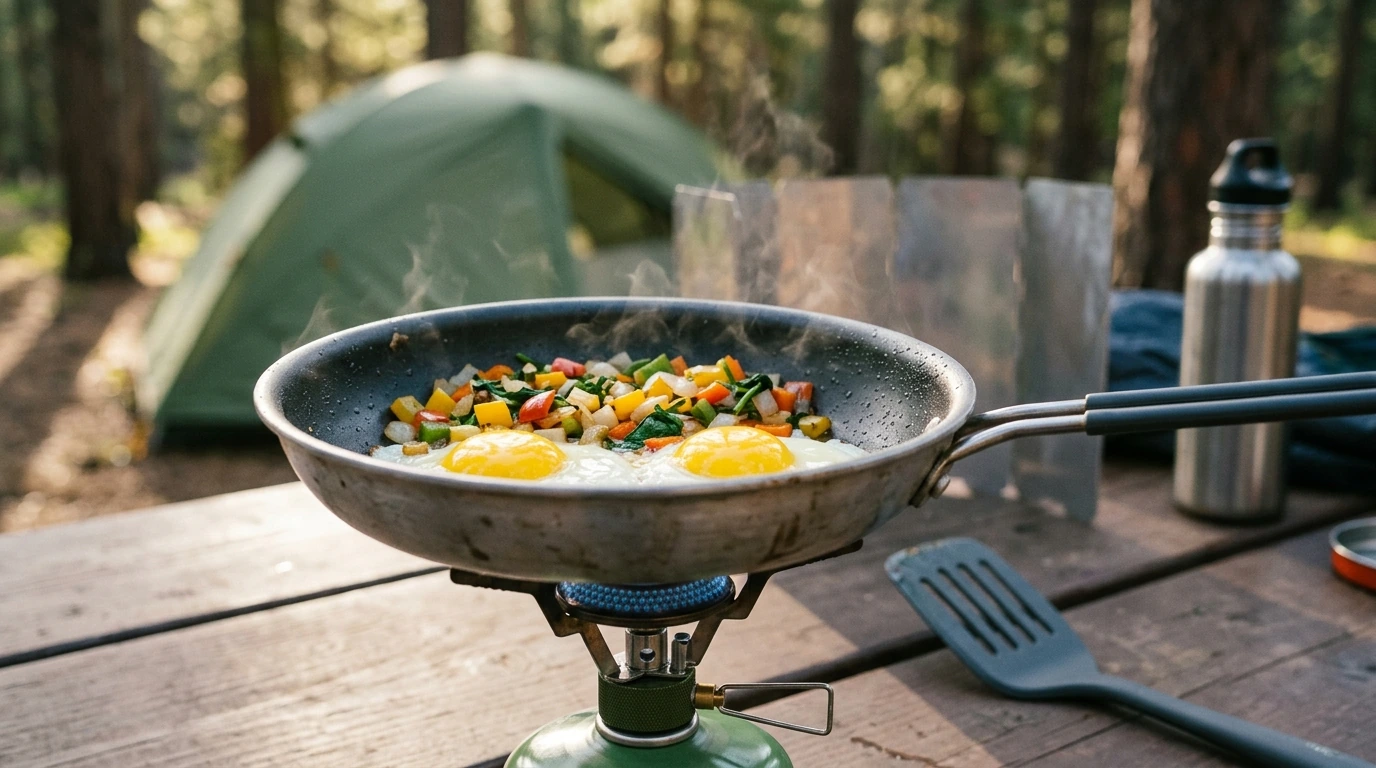
Non-Stick Aluminum Camping Frying Pan for Quick, Low-Mess Camp Cooking
A reliable camp frying pan should heat evenly, pack easily, and clean up fast after breakfast, dinner, or a trail snack. A non-stick aluminum build is a practical match for campsite and travel cooking because it keeps weight down while helping delicate foods release without tearing. Below is what matters most outdoors: performance over a small flame, handling and safety, cleanup, and the simple habits that keep the coating working trip after trip.
What a good camping frying pan needs to do
A campsite pan earns its spot when it consistently handles real meals—not just reheating. Look for a pan that can manage the everyday rotation: eggs and pancakes in the morning, sautéed vegetables at night, seared proteins when you want something more filling, and quick one-pan reheats without burned-on residue.
Because compact stoves concentrate flame in the center, a good pan should heat predictably instead of scorching one spot while leaving the edges undercooked. Non-stick performance also matters more outside, where oil is limited and water is scarce for washing. Finally, it should pack without taking over the cook kit, avoid sharp edges that scrape other gear, and feel stable in-hand with a manageable overall weight.
Non-stick aluminum: why it’s a common choice outdoors
Aluminum warms quickly, which helps meals come together faster and can reduce fuel use when you’re cooking on a small burner. Add a non-stick coating and you get easier release for eggs, tortillas, fish, and sticky marinades—foods that can otherwise tear or leave a stubborn layer behind.
Another practical perk: you can often cook with less oil. That means less to pack, less mess, and less greasy cleanup. The main tradeoff is that non-stick coatings require gentler treatment: very high heat, metal utensils, and abrasive scrubbing can shorten the pan’s lifespan.
| Feature | Why it helps on trips | What to watch for |
|---|---|---|
| Fast heat-up | Shorter cook times on small stoves | Avoid cranking the flame to maximum for long periods |
| Non-stick release | Less sticking with minimal oil | Use wooden/silicone tools; avoid metal scraping |
| Light carry weight | Easier packing for car camping or short hikes | Prevent dents by nesting carefully |
| Quick cleanup | Less water and soap needed | Skip abrasive pads that wear the coating |
Using a non-stick camping pan on different heat sources
Canister stove
Keep the flame under the base rather than licking up the sides. Medium heat is usually enough; preheat briefly, add a small amount of oil, then add food once the oil shimmers (not smokes). This approach helps prevent hot spots and reduces coating stress.
Liquid-fuel stove
These stoves can run hotter and create uneven heat patterns. If you have a diffuser, use it. Stir and move food more often to prevent a “hot-ring” burn pattern that can happen when the center heats aggressively.
Campfire grate
Cook slightly off the hottest zone and keep the pan moving rather than parking it directly over roaring flame. Expect soot on the outside; plan a quick wipe-down before packing so you don’t blacken the rest of your kit.
Electric hot plate (RV/cabin)
Start low-to-medium and let the pan come up gradually. Non-stick coatings typically perform best without extreme surface temperatures, and you’ll still get good browning by cooking in batches and avoiding overcrowding.
Wind and cold
Care that preserves the coating and improves longevity
Cooking tips for better results with a compact pan
When water is limited, do a “trail cleanup” first: wipe the pan with a paper towel to remove grease and bits, then use a small rinse and a little soap for the final wash. For additional guidance on safer outdoor food handling, review recommendations from the USDA Food Safety and Inspection Service. For low-impact camp practices, see Leave No Trace’s principles. For general information on food-contact materials, the FDA’s Food Contact Substances resource is a helpful reference.
Quick look: Non-Stick Aluminum Camping Frying Pan
When the goal is fast heat-up and easy release with minimal cleanup, the Non-Stick Aluminum Camping Frying Pan is built for simple campsite cooking. It pairs well with a silicone spatula, a compact scrub sponge, and a small bottle of cooking oil—an easy setup for car camping, picnics, RV kitchens, and short trips where low-mess cooking is the priority.
| Item | Details |
|---|---|
| Product | Non-Stick Aluminum Camping Frying Pan |
| Price | $50.97 USD |
| Availability | In stock |
| Best for | Low-mess cooking, quick cleanup, compact stove setups |
| Link | Check current price and availability |
Useful add-ons to keep camp meals simple
A few small extras can make camp cooking smoother without adding much bulk. For navigation to trailheads and campgrounds, a Universal Car Steering Wheel Phone Mount for Safe Navigation can help keep directions visible when you’re rolling into a new area. And for post-meal cleanup and daily routine, the Triple-Sided Ultra-Fine Soft Bristle Toothbrush for Enhanced Oral Health is an easy pack-in that supports better hygiene on multi-day trips.
FAQ
Can a non-stick aluminum camping pan be used over a campfire?
Yes, if it’s used on a grate and kept away from the hottest flame. Keep heat moderate, move the pan to prevent hot spots, and plan for exterior soot that you’ll want to wipe down before packing.
What utensils are safest for non-stick cookware outdoors?
Silicone, wood, or nylon utensils are the safest choices. Avoid metal spatulas and knives, which can scratch the coating and shorten the pan’s lifespan.
How should the pan be cleaned when water is limited?
Let the pan cool, wipe out residue first, then wash with a small amount of warm water and mild soap using a soft sponge. Avoid abrasive pads that can wear down the non-stick surface.
Recommended for you


Was this article helpful?
Yes
No









Leave a comment