-
Shop
- Advanced Technologies
- AI Skills for Creators & Freelancers
- AI Client Management
- AI Ethics
- AI Mindset
- AI Tools & Prompts
- AI Writing & Content Creation
- Audio, Voice & Music
- Design & Visual Creation
- Email, Messaging & Communication
- Freelancing & Business
- Marketing, Ads & Conversion
- Productivity, Workflow & Automation
- SEO & Search Optimization
- Social Media Content & Growth
- Strategy, Planning & Analytics
- Video Creation & Editing
- AI Skills Mastery 2026 Collection
- Bathroom
- Best-Sellers
- Car Accessories
- Confidence
- Dating & Social Skills
- Digital Resources
- Easter Products
- Education & Learning
- Family & Parenting
- Fashion
- Fashion Accessories
- Furniture
- Gadgets
- Health & Beauty
- Health & Wellness
- Home & Garden
- Home Electronics
- Home Supplies
- Jewelry
- Kids & Babies
- Kitchen
- Lighting
- Patio, Lawn & Garden
- Personal Growth
- Pet Care
- Pet Supplies
- Pets
- Shoes
- Smart Home Living Guides
- Sport & Outdoors
- Stress Relief & Relaxation
- Super Deals
- TikTok Growth & Monetization Mastery
- Travel
- Travel & Adventure
- Wealth
- Wellness
New Balance White Lace-Up Sneakers for Fall/Winter
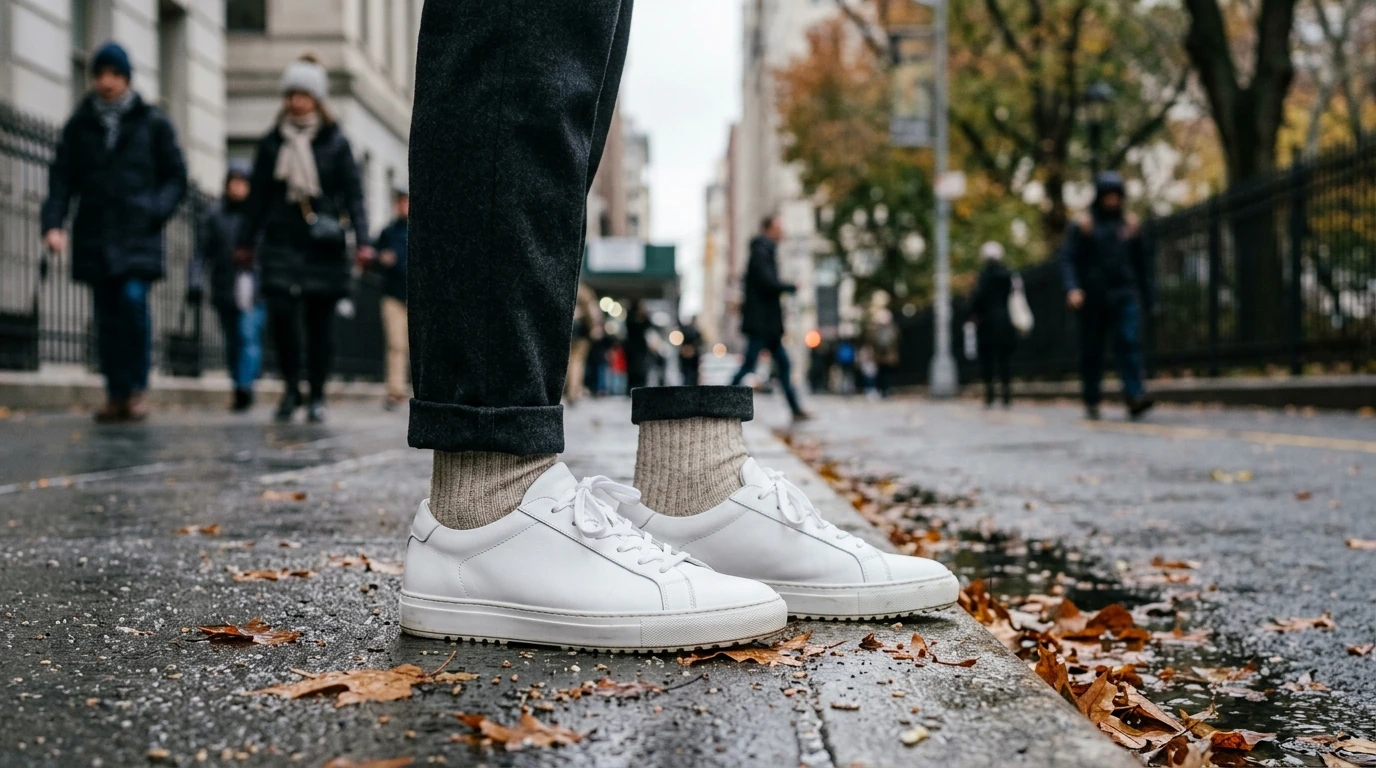
New Balance Men’s White Fall/Winter Lace-Up Sneakers: clean look, cold-season comfort
A clean white sneaker can still feel right in colder months when it’s built for everyday comfort, reliable grip, and easy styling with layered outfits. The New Balance Men’s White Fall/Winter Lace-Up Sneakers are made for the kind of routines that keep going when temperatures drop: commuting, errands, travel days, and casual plans that require comfort without overthinking your outfit. Below is a practical guide to what matters in fall/winter lace-ups—and how to keep white sneakers looking sharp through the season.
At a glance: what these sneakers are built for
- Everyday wear in cool-weather routines: commuting, errands, casual office days, travel, and weekend plans
- Lace-up adjustability for a more secure fit with thicker socks
- White, minimalist look that pairs easily with darker fall/winter wardrobes
- Best suited to paved surfaces and typical city conditions; plan around heavy snow, slush, or deep puddles
For general foot health and choosing supportive footwear, the American Podiatric Medical Association (APMA) offers helpful guidance on what to look for when you’re on your feet all day.
Quick specs and comparison
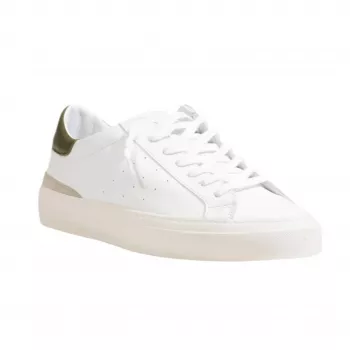
If you’re deciding between an everyday classic white sneaker and something more brand-forward, a side-by-side snapshot helps. Choose the New Balance option for a versatile, easy-to-wear profile; consider Armani Exchange Men’s Sneakers when the priority is a fashion-led look with designer energy.
| Product | Price | Color/Style | Best for | Link |
|---|---|---|---|---|
| New Balance Men’s White Fall/Winter Lace-Up Sneakers | 127.28 USD | Clean white, everyday profile | All-day casual wear and easy outfit matching | View product |
| Armani Exchange Men’s Sneakers | 107.51 USD | Designer-inspired casual sneaker | Style-led outfits and brand-forward looks | View product |
Fit and feel: comfort details that matter in colder months
Cold weather changes how a sneaker feels over a long day. Feet can swell slightly with walking, and thicker socks can add pressure across the top of the foot. A lace-up sneaker is a strong choice for fall and winter because you can fine-tune the fit rather than relying on a fixed slip-on feel.
- Adjust lace tension as the day goes. A small loosen/tighten tweak can prevent numbness when you’ve been walking for hours.
- Prioritize heel hold. A secure heel reduces rubbing on longer walks and helps you feel stable on steps and uneven sidewalks.
- Leave toe room. Enough space to wiggle your toes matters more in lower temperatures—cramped toes tend to feel colder faster.
- Test with real winter socks. If you’re between sizes, try the thickness you wear most often in the season so you don’t end up “sizing twice.”
- Break-in smart. Wear them indoors for short sessions first to confirm there are no pressure points before you commit to a long outdoor day.
If you want to compare silhouettes or keep a second pair in rotation, a contrasting option like Armani Exchange Men’s Sneakers can give you a different vibe while still staying in the everyday-sneaker lane.
Stability and traction for sidewalks, steps, and wet patches
Fall/winter traction is less about deep lugs (that’s boot territory) and more about predictable grip on the surfaces you actually encounter: damp pavement, slick entryways, and quick transitions between outdoors and heated interiors.
- Rubber outsole + visible tread is typically more confidence-inspiring on wet sidewalks than flatter fashion soles.
- Watch common slip zones. Painted crosswalk lines, wet tile at building entrances, and metal stair edges can be surprisingly slick.
- Plan for rain and occasional slush. Use a water-repellent protector spray and rotate shoes so each pair dries fully between wears.
- Know the limit. In icy conditions, sneakers alone are rarely enough—add removable traction aids or switch to winter-specific boots.
For brand and material details straight from the source, reference the New Balance official site to learn more about the company’s footwear lineup and care recommendations by model family.
How to style white sneakers in fall and winter without looking out of season
White sneakers can look intentional in colder months when the rest of the outfit is grounded in deeper tones and heavier textures. The goal is contrast that feels crisp, not “summer leftover.”
- Monochrome base: black jeans + charcoal knit + white sneakers keeps the contrast sharp and modern.
- Earth tones: olive chinos + cream sweatshirt + neutral coat; white sneakers keep the outfit from feeling too heavy.
- Smart casual: dark denim + Oxford shirt + unstructured blazer; keep sneakers clean and laces neatly tied.
- Cold-weather layering: puffer or wool coat + cuffed pants to show the sneaker profile without dragging hems.
- Socks: thicker ribbed socks add warmth; keep visible sock colors neutral for a cleaner look.
Keeping white sneakers looking fresh through the season
The secret to wearing white sneakers in fall and winter is not perfection—it’s consistency. A quick routine prevents grime from becoming permanent.
Who this pair suits best (and who should look elsewhere)
FAQ
Are white sneakers practical in fall and winter?
Yes for typical city wear on sidewalks and indoor-heavy days. Use a protector spray, spot clean regularly, and rotate pairs so they can fully dry; for heavy snow or slush, switch to boots.
How should lace-up sneakers fit with thicker socks?
Test the fit with the socks you’ll actually wear most in winter, then tighten laces enough to lock the heel in place without pressing on the top of the foot. Keep a little toe room so feet stay comfortable and warmer over longer walks.
What’s the best way to dry sneakers after getting wet?
Air-dry at room temperature, remove insoles if possible, and stuff the shoes with paper to absorb moisture and help hold their shape. Avoid direct heat like radiators or hair dryers, and wait until they’re fully dry before storing or wearing again.
Recommended for you


Was this article helpful?
Yes
No









Leave a comment