-
Shop
- Advanced Technologies
- AI Skills for Creators & Freelancers
- AI Client Management
- AI Ethics
- AI Mindset
- AI Tools & Prompts
- AI Writing & Content Creation
- Audio, Voice & Music
- Design & Visual Creation
- Email, Messaging & Communication
- Freelancing & Business
- Marketing, Ads & Conversion
- Productivity, Workflow & Automation
- SEO & Search Optimization
- Social Media Content & Growth
- Strategy, Planning & Analytics
- Video Creation & Editing
- AI Skills Mastery 2026 Collection
- Bathroom
- Best-Sellers
- Car Accessories
- Confidence
- Dating & Social Skills
- Digital Resources
- Easter Products
- Education & Learning
- Family & Parenting
- Fashion
- Fashion Accessories
- Furniture
- Gadgets
- Health & Beauty
- Health & Wellness
- Home & Garden
- Home Electronics
- Home Supplies
- Jewelry
- Kids & Babies
- Kitchen
- Lighting
- Patio, Lawn & Garden
- Personal Growth
- Pet Care
- Pet Supplies
- Pets
- Shoes
- Smart Home Living Guides
- Sport & Outdoors
- Stress Relief & Relaxation
- Super Deals
- TikTok Growth & Monetization Mastery
- Travel
- Travel & Adventure
- Wealth
- Wellness
Monthly Budget Checklist: Set Savings Goals That Stick

The Smart Saver’s Monthly Checklist: A Simple Routine for Budgeting and Monthly Savings Goals
A monthly checklist turns budgeting and saving into a repeatable routine: review cash flow, set a realistic savings target, automate transfers, and adjust for upcoming expenses. The goal isn’t perfection—it’s consistency. With a short “money date” once a month, you can keep bills current, grow savings steadily, and avoid the surprise expenses that usually derail progress.
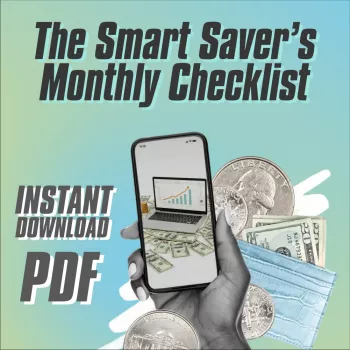
If you’d rather follow a ready-made routine than rebuild the process every month, a one-page printable can help: The Smart Saver’s Monthly Checklist (Budgeting & Financial Planning PDF).
Start With a Monthly Snapshot (10 Minutes)
Begin with a quick snapshot so your plan is based on real numbers, not guesses.
- List take-home income for the month (paychecks, side income, benefits).
- Pull last month’s totals for fixed bills, variable spending, debt payments, and transfers to savings.
- Note one-time items coming up (annual subscriptions, car repairs, travel, gifts).
- Pick one metric to track monthly: savings rate (% of take-home) or a dollar amount saved.
Small twist that helps: keep a running note titled “Next Month Costs” on your phone. Add items the moment you remember them, then review the list during your monthly snapshot.
How Much to Put in Savings Per Month: Practical Benchmarks
A sustainable savings goal should protect today’s bills and still move you forward. A helpful approach is tiered: set a minimum “non-negotiable” amount that always fits, then add a stretch amount when cash flow allows.
- Common starting point when money is tight: 5% of take-home pay, or even 1%–3% while you stabilize.
- Increase gradually (for example, +1% per month) until you reach a comfortable target.
- Mid-range goal: 10%–15% of take-home pay split between emergency savings and longer-term goals.
- Aggressive goal (once debt is manageable and essentials are covered): 20%+ toward savings/investing goals.
- If expenses regularly exceed income, prioritize stopping leaks (subscriptions, high-interest debt, impulse spending) before chasing a high percentage.
| Situation | Suggested monthly savings target | Where it goes first |
|---|---|---|
| Behind on bills or frequently overdrafting | Start at $25–$100 or 1%–3% | Tiny emergency buffer + overdraft prevention |
| Stable bills, little cushion | 5%–10% | Emergency fund to 1 month of expenses |
| Emergency fund started, some debt | 10%–15% | Emergency fund + targeted debt payoff |
| Debt under control, steady income | 15%–20%+ | Emergency fund (3–6 months) + long-term goals/retirement |
Monthly Checklist: The Four-Bucket Plan
Instead of tracking dozens of categories, use four buckets that cover the full month. This keeps decisions simple while still capturing the spending that causes most budget surprises.
- Bucket 1 — Essentials: housing, utilities, transportation, groceries, insurance; confirm due dates and minimums.
- Bucket 2 — Future you: savings and investing transfers; schedule them right after payday so they happen first.
- Bucket 3 — Flex spending: dining, entertainment, shopping; assign a cap and track weekly.
- Bucket 4 — Irregular expenses: sinking funds for car maintenance, medical, gifts, travel, annual renewals.
Rule of thumb: if an expense happens less than monthly, turn it into a monthly sinking-fund line item. The monthly amount is simply the expected annual cost divided by 12.
Set Up Automation That Matches Your Pay Schedule
Automation is the difference between “trying to save” and actually saving. The best setup matches your paycheck rhythm so transfers feel normal, not painful.
If Income Is Variable: Use a Base Budget + Sweep
For more guidance on building spending plans and cash-flow habits, the Consumer Financial Protection Bureau’s budgeting resources are a solid reference.
Where Savings Goes First: A Simple Priority Order
- Step 1: Starter emergency fund (a small buffer that prevents new debt when life happens).
- Step 2: High-interest debt strategy (target extra payments where interest is highest, while keeping your buffer).
- Step 3: Grow emergency fund toward 3–6 months of essential expenses.
- Step 4: Goal-based savings (down payment, education, travel) and retirement contributions aligned with eligibility and benefits. For retirement plan basics, see the IRS retirement plan guidance.
- Step 5: Increase your savings rate when fixed costs drop (refinance, paid-off loans, cheaper insurance).
A Printable Routine Helps the Habit Stick
If you want a ready-to-use version, keep a copy of The Smart Saver’s Monthly Checklist (Budgeting & Financial Planning PDF) and print it monthly or fill it digitally.
- Universal Car Steering Wheel Phone Mount for Safe Navigation (hands-free navigation can help you avoid distractions and last-minute detours that waste time and fuel).
- Triple-Sided Ultra-Fine Soft Bristle Toothbrush for Enhanced Oral Health (small preventive habits can support fewer surprise expenses over time).
Common Pitfalls and Quick Fixes
FAQ
Is it better to save a percentage or a fixed amount each month?
A percentage works well when income is stable because it scales automatically. A fixed amount is often easier for tight or variable budgets. A hybrid (minimum fixed amount plus a percentage-based stretch goal) tends to be the most sustainable.
Should savings come before paying off debt?
Start with a small emergency buffer so you don’t rely on credit when surprises happen. After that, prioritize high-interest debt while keeping a modest, automated savings transfer going. Once high-interest balances are under control, increase savings.
What if saving 10% isn’t possible right now?
Begin with a small, consistent target (like 1%–3% or $25–$100) and automate it so it happens without effort. As expenses drop or income rises, increase the amount gradually until you reach a stronger benchmark.
Recommended for you


Was this article helpful?
Yes
No









Leave a comment