-
Shop
- Advanced Technologies
- AI Skills for Creators & Freelancers
- AI Client Management
- AI Ethics
- AI Mindset
- AI Tools & Prompts
- AI Writing & Content Creation
- Audio, Voice & Music
- Design & Visual Creation
- Email, Messaging & Communication
- Freelancing & Business
- Marketing, Ads & Conversion
- Productivity, Workflow & Automation
- SEO & Search Optimization
- Social Media Content & Growth
- Strategy, Planning & Analytics
- Video Creation & Editing
- AI Skills Mastery 2026 Collection
- Bathroom
- Best-Sellers
- Car Accessories
- Confidence
- Dating & Social Skills
- Digital Resources
- Easter Products
- Education & Learning
- Family & Parenting
- Fashion
- Fashion Accessories
- Furniture
- Gadgets
- Health & Beauty
- Health & Wellness
- Home & Garden
- Home Electronics
- Home Supplies
- Jewelry
- Kids & Babies
- Kitchen
- Lighting
- Patio, Lawn & Garden
- Personal Growth
- Pet Care
- Pet Supplies
- Pets
- Shoes
- Smart Home Living Guides
- Sport & Outdoors
- Stress Relief & Relaxation
- Super Deals
- TikTok Growth & Monetization Mastery
- Travel
- Travel & Adventure
- Wealth
- Wellness
Men’s Black Dr. Martens Boots for Spring & Summer
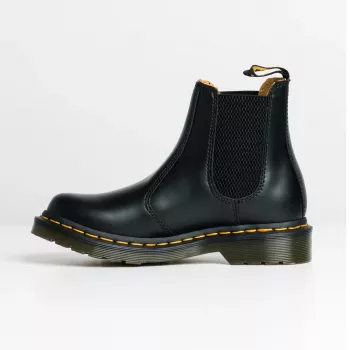
A warm-weather boot should feel lighter on the foot, breathe better than winter pairs, and still deliver the durability and edge that make Dr. Martens a staple. A clean black pair can handle spring drizzle, summer travel days, and nights out—if you choose the right materials, dial in fit, and keep up with simple care. Below is a practical guide to picking and wearing men’s black spring/summer boots, plus comfort and maintenance tips that help them stay ready for the long haul.
What Makes a Boot Work for Spring and Summer
Spring and summer boots earn their keep when they stay comfortable in heat, stable in sudden rain, and versatile enough to wear across changing plans.
- Breathability matters: Look for uppers and linings that manage heat during commutes and long days on your feet.
- Weight and flexibility: A lighter build and more pliable upper usually feel better as temperatures rise.
- Traction for mixed conditions: Spring brings slick sidewalks and surprise showers; dependable tread helps you stay confident.
- Versatility: Black boots can shift from casual to smart-casual when the silhouette stays clean and the leather is cared for.
Standout Features to Look For in Black Dr. Martens-Style Boots
Not all black boots wear the same in warm weather. Small construction details can make a big difference when socks are thinner and steps add up.
- Upper material options: Leather finishes vary in break-in time, softness, and how they handle moisture and scuffs.
- Collar and tongue comfort: Padding and seam placement can reduce ankle bite during longer walks.
- Insole feel: Supportive footbeds help when you switch to lighter socks; removable insoles can improve fit and airflow.
- Sole construction: Aim for a balance of cushioning and stability so the boot doesn’t feel overly chunky in heat.
- Lacing system: Secure lacing helps prevent heel slip, which often causes hot spots and blisters.
Warm-Weather Boot Checklist (Quick Comparison)
| Feature | Why it helps in spring/summer | What to check before buying |
|---|---|---|
| Breathability | Reduces heat buildup and sweaty feet | Lining material, tongue construction, sock compatibility |
| Weight | Less fatigue for all-day wear | Sole thickness, upper stiffness, overall profile |
| Break-in ease | Fewer blisters during the first weeks | Leather type/finish, internal seams, heel counter firmness |
| Grip in rain | Confidence on wet pavement | Outsole pattern depth, rubber compound feel |
| Styling range | Works with shorts, chinos, jeans | Toe shape, shaft height, minimal branding |
Fit and Sizing for All-Day Comfort
Warm weather changes the comfort equation: feet can swell slightly during long walks, and thin socks leave less “buffer” against friction. A secure fit prevents the small movements that turn into blisters.
- Aim for a secure heel: Minimal heel lift reduces rubbing, especially with lighter summer socks.
- Toe room should be present but controlled: You want wiggle room without sliding forward on downhills.
- Sock strategy: Thin merino or moisture-wicking crew socks can feel cooler than cotton and help reduce friction.
- Lacing tweaks: Use a heel-lock (runner’s loop) style on boots with enough eyelets to stabilize the ankle.
- Break-in planning: Start with shorter wears and allow rest days so the upper can soften gradually.
For general foot comfort guidance, the American Podiatric Medical Association (APMA) has helpful footwear tips that align with the basics: stable support, proper fit, and avoiding pressure points.
How to Wear Black Boots in Warm Weather
Black boots look intentional in spring/summer when the rest of the outfit keeps things light—through fabric choice, hem length, and proportion.
- With lightweight jeans: Choose tapered or straight fits and cuff once to show ankle and reduce heat around the hem.
- With chinos: Pair with a clean tee or open-collar shirt for a smart-casual look that still feels seasonal.
- With shorts (when appropriate): Balance the boot’s visual weight with thicker socks or a slightly higher shaft for better proportion.
- Color pairing: Black boots work well with stone, olive, light denim, and monochrome outfits for a clean contrast.
- Rain-ready styling: Pick quick-dry fabrics and avoid long hems that drag and wick moisture.
Care and Maintenance Through Spring Showers and Summer Heat
Heat, sweat, and sudden rain can age leather fast if moisture is trapped or boots are dried too aggressively. A few habits keep black boots looking sharp and feeling better over time.
If summer walks or commutes are long and hot, it also helps to understand how heat impacts the body; the NIOSH heat stress guidance offers practical context for pacing, hydration, and planning around high-heat days.
Alternatives for Hotter Days or Different Outfits
Featured Picks In Stock
- Dr. Martens Men’s Black Spring/Summer Boots — a dependable black-boot anchor for spring showers, city traction, and smart-casual outfits.
- Armani Exchange Men’s Sneakers — a cleaner, more breathable alternative for hotter days when you still want a polished look.
FAQ
Are Dr. Martens boots comfortable for spring and summer?
They can be, but comfort depends on the break-in period, the leather finish, and getting the fit right. Gradual wear, moisture-wicking socks, and secure lacing usually make a noticeable difference in warm weather.
How should boots fit to avoid blisters in warm weather?
Avoid heel lift and keep the heel locked in place with firm lacing; friction from movement is a common blister trigger. You should have controlled toe room (wiggle space without sliding), and socks that reduce moisture can also help.
What’s the best way to dry and care for boots after rain?
Air-dry at room temperature, remove insoles if possible, and stuff the boots with paper to draw out moisture. Once fully dry, wipe them clean and apply light conditioning as needed—avoid heaters and direct sun.
Recommended for you

Was this article helpful?
Yes
No









Leave a comment