-
Shop
- Advanced Technologies
- AI Skills for Creators & Freelancers
- AI Client Management
- AI Ethics
- AI Mindset
- AI Tools & Prompts
- AI Writing & Content Creation
- Audio, Voice & Music
- Design & Visual Creation
- Email, Messaging & Communication
- Freelancing & Business
- Marketing, Ads & Conversion
- Productivity, Workflow & Automation
- SEO & Search Optimization
- Social Media Content & Growth
- Strategy, Planning & Analytics
- Video Creation & Editing
- AI Skills Mastery 2026 Collection
- Bathroom
- Best-Sellers
- Car Accessories
- Confidence
- Dating & Social Skills
- Digital Resources
- Easter Products
- Education & Learning
- Family & Parenting
- Fashion
- Fashion Accessories
- Furniture
- Gadgets
- Health & Beauty
- Health & Wellness
- Home & Garden
- Home Electronics
- Home Supplies
- Jewelry
- Kids & Babies
- Kitchen
- Lighting
- Patio, Lawn & Garden
- Personal Growth
- Pet Care
- Pet Supplies
- Pets
- Shoes
- Smart Home Living Guides
- Sport & Outdoors
- Stress Relief & Relaxation
- Super Deals
- TikTok Growth & Monetization Mastery
- Travel
- Travel & Adventure
- Wealth
- Wellness
Long Sleeve Zip Yoga Jumpsuit: One-Piece Fit & Support
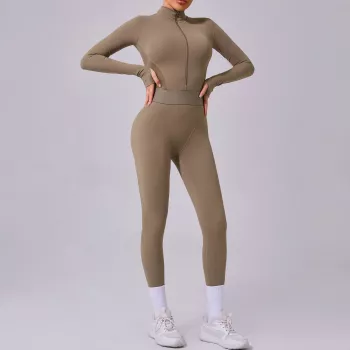
Long Sleeve Yoga Jumpsuit with Zipper: One-Piece Support for Training and Everyday Wear
A long sleeve, zip-front one-piece can simplify getting dressed for movement while offering coverage, contouring, and an adjustable neckline. Instead of managing a top that rides up or a waistband that shifts, a well-made yoga jumpsuit bodysuit is designed to stay aligned with your body through bends, twists, and transitions. Below is a practical breakdown of what to look for, how this style performs across workouts, and how to care for it so it keeps its shape and stretch.
What a Zip-Front One-Piece Changes (Fit, Coverage, Convenience)
The zipper is more than a style detail—it changes how the suit feels before, during, and after training. A zip neckline lets coverage shift from higher support to more airflow without changing outfits, which is especially helpful when you move from warm-up to the main set. One-piece construction also reduces waistband rolling and helps create a streamlined silhouette during bends and twists.
Long sleeves add warmth for cooler studios, warm-ups, outdoor walks, and post-class layering. And when the session is over, a zipper can make the suit easier to put on and remove compared with non-zip, tight-neck one-pieces—especially after a sweaty session. For comfort, look for a zipper guard or smooth zipper backing to reduce skin irritation along the chest.
| Feature | Zip-Front One-Piece | Non-Zip One-Piece |
|---|---|---|
| On/off ease | Adjustable opening; often quicker to remove | Can be tighter at neck/shoulders; may take longer |
| Neckline control | Adjustable depth and ventilation | Fixed neckline |
| Security during movement | Depends on zipper quality and fit; should lie flat | No zipper; fewer hardware points |
| Styling flexibility | More options (higher or lower zip) | More uniform look |
Fit and Feel: How It Should Sit on the Body
Fit makes or breaks a one-piece. Start with torso length: the suit should not pull at shoulders or create excess fabric at the waist. A quick check is to do a deep squat and an overhead reach—if the shoulders feel yanked down or the zipper pulls uncomfortably, sizing (or torso length) may be off.
Compression level should feel like a supportive hold, not numbness or pinching around ribs and upper arms. Sleeve fit matters more than many people expect: sleeves should stay in place during push-ups and planks, and cuffs shouldn’t cut into the wrist. For the legs and seat, avoid sheer stretching at the thighs/seat; the fabric should rebound after a gentle pinch test. Finally, examine seams—flatter seams reduce rubbing, and inner thigh and underarm stitching is where longer sessions tend to reveal irritation.
Performance Across Workouts (Yoga, Pilates, Strength, Cardio)
Yoga and Pilates
For yoga and Pilates, prioritize stretch, a secure waistband-free feel, and fabric that stays put during inversions and twists. A zip-front helps you fine-tune comfort: higher zip for more hold through transitions, slightly lower for breathability during slow flow or mat work.
Strength training
For lifting, look for a stable, compressive midsection and a squat-friendly seat. The zipper should not buckle under bracing; when you hinge or set up for a deadlift, the zipper should lie flat rather than ripple. A good one-piece also reduces “top drift” during overhead presses and rows.
Light cardio and intervals
In cardio, sweat management and airflow matter most. A partially open zipper can improve ventilation without needing to peel off layers. Pay attention to how the fabric feels when damp—some knits stay smooth, while others can feel heavy if they hold moisture.
Outdoor wear and layering
Long sleeves can help with wind or mild chill, and layering a lightweight jacket over a one-piece often feels less bulky than separate tops. For footwear and stability, training shoes with a secure fit can help you move confidently; general fit and training guidance is available from ACSM.
Details That Make a Difference
Styling: Studio-to-Street Options
Care and Longevity
Air drying is ideal; if using a dryer, use low heat and remove promptly. Rotating wear between sessions also helps the fabric recover and reduces ongoing stress on seams. For additional guidance on following garment care instructions, see the FTC’s Clothing and Textile Care Labeling Rule.
Product Spotlight: Long Sleeve Yoga Jumpsuit – Zipper One-Piece Fitness Bodysuit
If you’re looking for a single-piece option that balances coverage and flexibility, the Long Sleeve Yoga Jumpsuit – Zipper One-Piece Fitness Bodysuit is built around a one-piece, long sleeve design geared toward full-coverage movement and a streamlined fit. The zip-front construction allows an adjustable neckline and faster on/off compared with fixed-neck bodysuits, making it convenient for training days and everyday wear.
| Item | Details |
|---|---|
| Product | Long Sleeve Yoga Jumpsuit – Zipper One-Piece Fitness Bodysuit |
| Price | 46.51 USD |
| Availability | In stock |
| Link | View product |
Complete the Look (In-Stock Picks)
- Armani Exchange Men’s Sneakers for a clean studio-to-street finish.
FAQ
Does a zip-front jumpsuit stay secure during yoga and stretching?
It can, as long as the overall fit is snug and the zipper is sturdy and lies flat. Before committing, bend forward and twist to confirm there’s no gapping or zipper buckling.
What should be checked to avoid sheerness when squatting?
Test opacity under bright light by stretching the fabric over your hand, and avoid sizing down so far that the knit is over-stretched. Strong fabric recovery and the correct size are key for a squat-friendly seat.
How should a long sleeve fitness bodysuit be washed to keep its stretch?
Wash cold on a gentle cycle with the zipper closed, skip fabric softener, and air dry when possible. High heat and softeners can reduce elasticity and performance over time.
Recommended for you


Was this article helpful?
Yes
No









Leave a comment