-
Shop
- Advanced Technologies
- AI Skills for Creators & Freelancers
- AI Client Management
- AI Ethics
- AI Mindset
- AI Tools & Prompts
- AI Writing & Content Creation
- Audio, Voice & Music
- Design & Visual Creation
- Email, Messaging & Communication
- Freelancing & Business
- Marketing, Ads & Conversion
- Productivity, Workflow & Automation
- SEO & Search Optimization
- Social Media Content & Growth
- Strategy, Planning & Analytics
- Video Creation & Editing
- AI Skills Mastery 2026 Collection
- Bathroom
- Best-Sellers
- Car Accessories
- Confidence
- Dating & Social Skills
- Digital Resources
- Easter Products
- Education & Learning
- Family & Parenting
- Fashion
- Fashion Accessories
- Furniture
- Gadgets
- Health & Beauty
- Health & Wellness
- Home & Garden
- Home Electronics
- Home Supplies
- Jewelry
- Kids & Babies
- Kitchen
- Lighting
- Patio, Lawn & Garden
- Personal Growth
- Pet Care
- Pet Supplies
- Pets
- Shoes
- Smart Home Living Guides
- Sport & Outdoors
- Stress Relief & Relaxation
- Super Deals
- TikTok Growth & Monetization Mastery
- Travel
- Travel & Adventure
- Wealth
- Wellness
Lightweight Waterproof Plaid Nylon Backpack for Laptop Days
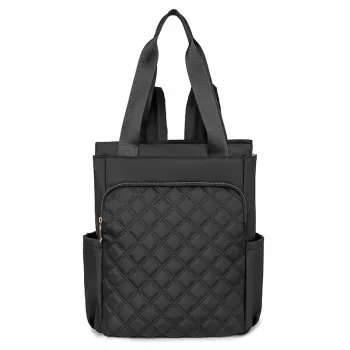
Waterproof Plaid Nylon Backpack: Lightweight Everyday Laptop & School Carry
A lightweight backpack that can handle sudden rain, busy commutes, and packed school days makes everyday routines feel easier. This waterproof plaid nylon backpack is designed for women who want a simple, easy-to-carry bag with space for a laptop and daily essentials—without sacrificing a casual, put-together look.
What Makes This Backpack Practical Day to Day
Daily carry is all about reducing friction: fewer “where did I put that?” moments, less shoulder strain, and better protection for the items that matter. Nylon is a smart choice for an everyday backpack because it’s durable, flexible, and naturally good at shedding light moisture.
- Water-resistant nylon helps protect notebooks, electronics, and cosmetics from light rain and splashes.
- Lightweight build reduces shoulder fatigue on long walks across campus or during city commutes.
- Plaid styling pairs easily with casual outfits while still reading polished.
- Hands-free backpack format makes it easier to manage coffee, transit cards, and your phone.
It also helps to set expectations about performance: “water-resistant” and “waterproof” are sometimes used interchangeably in everyday shopping, but they’re not always the same in textile testing and labeling. For a clear breakdown of the terms, see the AATCC’s textile resources on water resistance and related definitions: https://www.aatcc.org/resources/.
Capacity and Organization for School, Work, and Errands
For most school and work days, the ideal backpack holds a laptop, a charger, a water bottle, and a few personal items—without forcing you to “Tetris” everything into one bulky compartment. A dedicated main area plus smaller pockets can keep your day moving, especially when you need quick access on a bus, in a hallway, or at a checkout counter.
- Main compartment for the core load: laptop, charger, water bottle, small lunch, and a light layer.
- Separate pocketing for the small stuff: keys, ID, lip balm, earbuds, and hand sanitizer stay easy to find.
- More balanced than a tote when carrying heavier items like textbooks or a full laptop setup.
- Comfort tip: pack heavier items closest to the back panel to improve posture and reduce pull on your shoulders.
Quick Planning Guide: What Fits and Where to Put It
| Item | Recommended placement | Why it helps |
|---|---|---|
| Laptop + sleeve | Back/main compartment (closest to back) | Stability and reduced swing while walking |
| Notebook/textbook | Main compartment (flat against laptop) | Prevents bending and keeps weight centered |
| Charger + cables | Inner pocket or small pouch | Avoids tangles and makes grab-and-go easier |
| Water bottle | Side pocket (if available) or upright in main compartment | Reduces leak risk near electronics |
| Keys/ID/transit card | Front/quick-access pocket | Faster access without opening the main compartment |
| Umbrella | Outer pocket or upright in main compartment | Keeps damp items separated from paper goods |
Comfort, Fit, and Carrying Experience
A backpack can look great and still feel uncomfortable if it rides too low or shifts while walking. A good fit is less about “tight” and more about “stable.” Adjustable straps let you bring the pack closer to your center of gravity, which helps on stairs, sidewalks, and crowded transit.
- Adjustable shoulder straps help reduce bounce and keep the pack from pulling backward.
- Lighter weight means less strain and fewer mid-day strap readjustments.
- Fit tip: keep the top of the backpack closer to shoulder level rather than hanging low at your mid-back.
- Laptop tip: a slim sleeve adds scratch protection and helps the backpack keep its shape.
For general fit and carrying guidance (including how to reduce pressure points), REI’s backpack wearing tips offer a helpful baseline: https://www.rei.com/learn/expert-advice/backpack.html.
Water Resistance: What to Expect in Real Weather
Nylon is a practical fabric for unpredictable weather because it can bead and shed light moisture. That said, weather exposure varies: a quick dash from the parking lot is very different from 30 minutes in a downpour.
- Light rain and splashes: nylon can help keep contents safer during short outdoor stretches.
- Heavy rain or extended exposure: use a rain cover, and place electronics in a zip pouch or protective sleeve.
- After getting wet: open the bag and air-dry fully before storing to prevent odor and protect fabric condition.
- Cleaning note: wipe down with a damp cloth and avoid harsh detergents that may reduce water repellency over time.
Style and Use Cases
Plaid adds visual texture without locking you into one season or one outfit vibe. It works with denim, athleisure, and simple office-casual layers, making it a reliable grab-and-go option when you don’t want to switch bags for every plan.
Care, Cleaning, and Long-Term Use
Product Snapshot
- Universal Car Steering Wheel Phone Mount for Safe Navigation — $1.80
- Triple-Sided Ultra-Fine Soft Bristle Toothbrush for Enhanced Oral Health — $1.52
- Armani Exchange Men’s Sneakers — $107.51
FAQ
Will this backpack protect a laptop in heavy rain?
Nylon can repel light rain and splashes, but heavy rain or long exposure can still push moisture through seams and openings. For downpours, use a rain cover and keep electronics inside a sleeve or waterproof zip pouch for added protection.
What size laptop can it carry comfortably?
Measure your laptop (width, height, and thickness) and compare it to the backpack’s interior space, leaving room so you’re not forcing the zipper closed. A slim sleeve helps the laptop slide in and out smoothly while reducing corner and scratch wear.
How should nylon backpacks be cleaned?
Spot-clean with mild soap and water, then wipe away residue with a clean damp cloth. Let it air-dry completely (no machine drying), and check any care tag if available for brand-specific instructions.
Recommended for you

Was this article helpful?
Yes
No









Leave a comment