-
Shop
- Advanced Technologies
- AI Skills for Creators & Freelancers
- AI Client Management
- AI Ethics
- AI Mindset
- AI Tools & Prompts
- AI Writing & Content Creation
- Audio, Voice & Music
- Design & Visual Creation
- Email, Messaging & Communication
- Freelancing & Business
- Marketing, Ads & Conversion
- Productivity, Workflow & Automation
- SEO & Search Optimization
- Social Media Content & Growth
- Strategy, Planning & Analytics
- Video Creation & Editing
- AI Skills Mastery 2026 Collection
- Bathroom
- Best-Sellers
- Car Accessories
- Confidence
- Dating & Social Skills
- Digital Resources
- Easter Products
- Education & Learning
- Family & Parenting
- Fashion
- Fashion Accessories
- Furniture
- Gadgets
- Health & Beauty
- Health & Wellness
- Home & Garden
- Home Electronics
- Home Supplies
- Jewelry
- Kids & Babies
- Kitchen
- Lighting
- Patio, Lawn & Garden
- Personal Growth
- Pet Care
- Pet Supplies
- Pets
- Shoes
- Smart Home Living Guides
- Sport & Outdoors
- Stress Relief & Relaxation
- Super Deals
- TikTok Growth & Monetization Mastery
- Travel
- Travel & Adventure
- Wealth
- Wellness
Kids’ Nighttime Fears: Calm Scripts, Routines & Relief
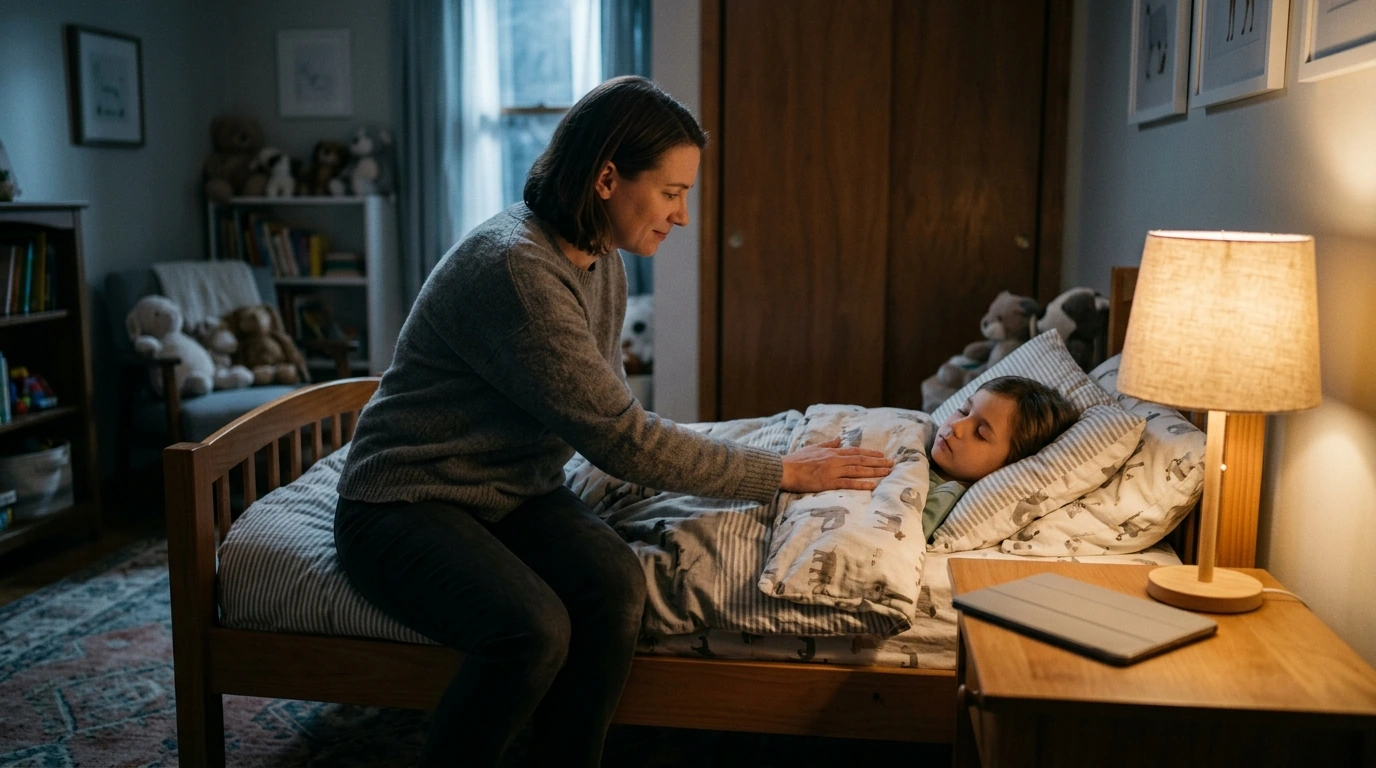
Understanding and Calming Kids’ Nighttime Fears
Nighttime fears can show up suddenly—after a scary story, a change at home, a vivid dream, or simply as imagination expands. When a child feels unsafe at night, sleep becomes harder for everyone. The goal isn’t to “talk them out of it,” but to help them feel protected, understood, and capable of settling again with consistent, gentle strategies.
Why nighttime fears happen
Many kids who seem fearless during the day can feel overwhelmed at night. That shift is normal—and often temporary—but it helps to understand what’s fueling it.
- Imagination outpaces logic: In early childhood, creative thinking grows fast. Shadows, hallway lights, and ordinary noises can feel genuinely threatening in the dark.
- Separation feels bigger at bedtime: The day is full of connection and distractions. At night, being alone in a room can intensify worries—especially during transitions like a new school, a new sibling, moving, or travel.
- Overtiredness raises the volume: When kids are overtired, their ability to self-soothe drops. Small worries can quickly turn into big fear.
- Media images can “stick”: Even kid-friendly shows may include suspenseful music, villains, or intense scenes that reappear later as fears or dreams.
- Temperament plays a role: Sensitive, observant children often react strongly to uncertainty, unfamiliar sensations, or changes in routine.
Fears, nightmares, and night terrors: what’s the difference?
Different nighttime events look similar at first glance, but the best response depends on what’s actually happening.
Quick guide to common nighttime events
| What you notice | What it usually is | What helps most |
|---|---|---|
| Child is alert, asks for checks/light/door open, worries about “monsters” | Bedtime fear/anxiety | Validate feelings, adjust routine, offer coping tools, keep boundaries consistent |
| Child wakes frightened, can describe a scary dream, wants closeness | Nightmare | Comfort, reorient to safety, brief low-light calm, return to bed with a simple script |
| Child screams, looks panicked, not fully awake, hard to soothe, no memory next day | Night terror | Keep safe, don’t fully wake, wait it out, maintain sleep schedule |
If night terrors happen often, or you notice sleepwalking or breathing concerns (snoring, gasping, frequent waking), it’s reasonable to check in with a pediatrician. For additional background, see guidance from HealthyChildren.org (American Academy of Pediatrics) and the National Sleep Foundation.
How to respond in the moment (what to say and what to avoid)
In the middle of the night, the goal is comfort plus consistency. Think “calm, brief, repeatable.”
- Start with validation: Name the feeling without confirming the fear as real. Try: “That sounded scary. You’re safe. I’m right here.”
- Use short, predictable phrases: Long conversations can fully wake the brain and accidentally reinforce repeated wake-ups.
- Avoid debating or dismissing: “There’s nothing to be afraid of” can increase shame or make kids argue harder to be understood.
- Offer one concrete safety cue: Do a quick room check together (under the bed, closet, corners), then return to the same calming script.
- If calls become frequent, gradually step back: Respond calmly, but reduce how long you stay in the room over time so confidence can grow.
A simple “night script” many families find helpful: “You’re safe. Your body can rest. Take three slow breaths. I’ll check on you in a few minutes.” The power is in repetition—using the same words each time, so the child knows exactly what comes next.
A calming bedtime routine that builds confidence
Routines don’t eliminate fear overnight, but they reduce uncertainty—one of the biggest fear triggers. The most effective routines feel steady, not elaborate.
- Keep the order consistent: Same steps, same general timing, even on weekends when possible.
- Move “scary talk” earlier: Create a daily worry window in the afternoon or before dinner so bedtime stays predictable and calm.
- Use a simple bravery plan: A child-friendly checklist (bath, story, cuddle, light, one room check, then sleep) helps kids know what to expect.
- Choose one comfort support and stick with it: A nightlight, slightly open door, or white noise can help—too many changes can increase uncertainty.
- Support the body: Bathroom trip, comfortable temperature, and a wind-down period reduce physical discomfort that can feel like fear.
One often-missed bedtime stressor is a rushed hygiene routine. A gentle, comfortable toothbrush can make that last step smoother—especially for kids who resist strong brushing sensations. If that’s a common friction point, consider the Triple-Sided Ultra-Fine Soft Bristle Toothbrush for Enhanced Oral Health as a simple way to reduce bedtime battles and keep the routine moving.
Daytime skills that reduce nighttime fear
When to get extra support
A practical guide for parents who want step-by-step support
Some families do best with a clear plan they can follow at 2 a.m. without overthinking. The Understanding and Calming Kids’ Nighttime Fears – Practical eBook Guide for Parents | Kids Fears at Night Explained focuses on why fears show up at night and how to respond with calm, repeatable tools.
FAQ
What should be said when a child is afraid of monsters at night?
Try a short, steady script: “That sounded scary. You’re safe. Let’s do one quick room check, then three slow breaths.” After the check, repeat the same goodnight phrase and keep the routine consistent so reassurance doesn’t turn into repeated negotiations.
How long do kids’ nighttime fears usually last?
It varies by age, temperament, and stress levels, but many fears fade as routines stabilize and kids practice coping skills. If sleep disruption or distress lasts for several weeks or affects daytime functioning, extra support can help.
Should a child be woken up during a night terror?
Usually no—fully waking can make the episode longer or more confusing. Focus on safety (gentle monitoring, prevent injury), keep lights low, and let it pass; talk with a pediatrician if episodes are frequent or concerning.
Recommended for you



Was this article helpful?
Yes
No









Leave a comment