-
Shop
- Advanced Technologies
- AI Skills for Creators & Freelancers
- AI Client Management
- AI Ethics
- AI Mindset
- AI Tools & Prompts
- AI Writing & Content Creation
- Audio, Voice & Music
- Design & Visual Creation
- Email, Messaging & Communication
- Freelancing & Business
- Marketing, Ads & Conversion
- Productivity, Workflow & Automation
- SEO & Search Optimization
- Social Media Content & Growth
- Strategy, Planning & Analytics
- Video Creation & Editing
- AI Skills Mastery 2026 Collection
- Bathroom
- Best-Sellers
- Car Accessories
- Confidence
- Dating & Social Skills
- Digital Resources
- Easter Products
- Education & Learning
- Family & Parenting
- Fashion
- Fashion Accessories
- Furniture
- Gadgets
- Health & Beauty
- Health & Wellness
- Home & Garden
- Home Electronics
- Home Supplies
- Jewelry
- Kids & Babies
- Kitchen
- Lighting
- Patio, Lawn & Garden
- Personal Growth
- Pet Care
- Pet Supplies
- Pets
- Shoes
- Smart Home Living Guides
- Sport & Outdoors
- Stress Relief & Relaxation
- Super Deals
- TikTok Growth & Monetization Mastery
- Travel
- Travel & Adventure
- Wealth
- Wellness
Interactive Electric Cat Ball Guide for Indoor Play
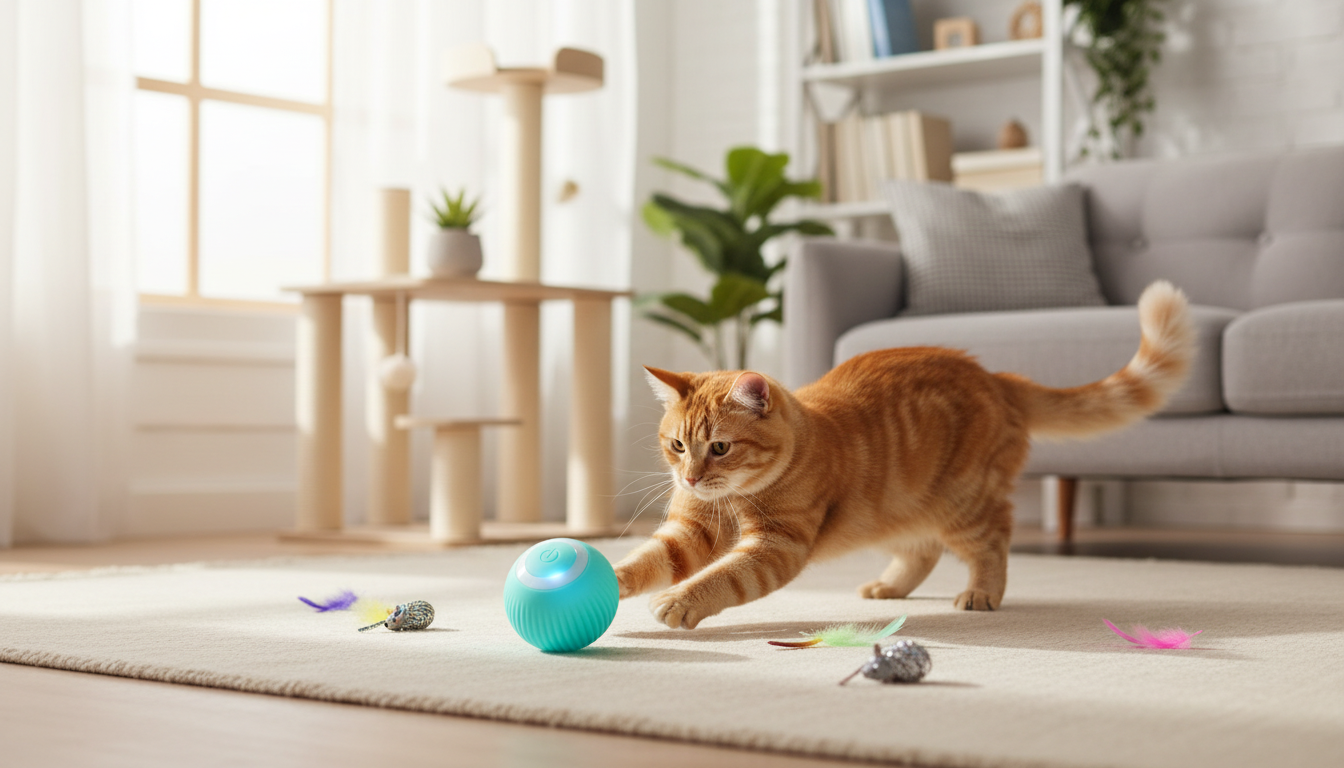
Interactive Electric Cat Ball: Active Play for Indoor Cats
An electric rolling ball can turn solo time into a quick burst of chasing, pouncing, and stalking—especially for indoor cats that need more daily movement and mental stimulation. A motion-based toy helps add variety on days when you’re busy, the weather keeps windows closed, or your cat simply needs a fresh “target” that isn’t your shoelaces. The goal is simple: give your cat a safe outlet for natural hunting behavior without turning your home into chaos.
Below is a practical guide to how an interactive electric cat ball works, what to look for in safe play, and how to build a routine that keeps cats engaged without overwhelming them.
What an Interactive Electric Cat Ball Does
Most cats are wired for short, intense hunting sequences. A rolling electric ball supports that instinct by providing movement that invites pursuit and quick reactions.
- Encourages natural hunting behaviors: chase, stalk, swat, and pounce.
- Adds motion variety compared with static toys, which can reduce boredom over time.
- Supports short, frequent play sessions that better match many cats’ energy patterns.
- Can help redirect attention away from cords, ankles, or furniture by offering an appropriate target.
Enrichment doesn’t have to be complicated. Organizations like the American Veterinary Medical Association (AVMA) highlight environmental enrichment as a way to support overall well-being—especially important for indoor pets.
How It Moves and Why Cats Stay Interested
Movement is what makes an electric cat ball different from a standard ball. Cats tend to lock onto “prey-like” motion: unpredictable starts and stops, quick direction changes, and the sense that the target might get away.
- Unpredictable direction changes mimic “prey-like” movement and can hold attention longer than straight-line rolling.
- Rolling vibration and changing speed may trigger curiosity in cats that ignore feather wands or plush mice.
- Works well in open spaces (hallways, living rooms) where a cat can build speed and confidence.
- Some cats prefer slower motion at first; gradual introductions can prevent startle responses.
Common Movement Behaviors and Best Use
| Movement behavior | What it’s good for | Tips for success |
|---|---|---|
| Random zig-zag rolling | Cats that like surprise and fast reactions | Start in a clear area; pause the toy if the cat seems startled. |
| Wall-bounce style movement | Keeping play contained in smaller rooms | Choose a room without breakables at floor level. |
| Short burst + rest cycles | Cats that play in quick sprints | Let the cat “win” by catching it occasionally, then end the session calmly. |
| Steady rolling | Shy or older cats needing gentler play | Introduce near the cat’s favorite safe zone and keep sessions brief. |
For more cat-specific play guidance, International Cat Care emphasizes that play should be cat-led, varied, and adjusted to your cat’s comfort level.
Safety and Supervision Essentials
Even well-made toys benefit from smart setup. A few small adjustments can prevent most mishaps.
- Pick a play space free of stairs, open fireplaces, and fragile objects at floor height.
- Inspect regularly for cracks, loose parts, or chew damage; discontinue if the casing is compromised.
- Use supervised sessions for cats that chew plastic or ingest non-food items.
- Avoid overstimulation: stop play if there is tail lashing, ears pinned back, growling, or repeated hiding.
- Keep the toy off the floor when not in use if the household has toddlers or dogs that may grab it.
If your cat tends to get “amped up,” end play before they hit the tipping point. The best sessions leave your cat satisfied, not frantic.
Setting Up a Play Routine That Works
A routine helps the toy stay interesting and keeps play from turning into constant background noise. Many indoor cats do best with brief, predictable sessions.
- Aim for multiple short sessions (5–10 minutes) rather than one long session for many cats.
- Pair play with a predictable “finish”: a small snack or meal can complete the hunt cycle and reduce nighttime zoomies.
- Rotate toys every few days to maintain novelty; store out of sight between sessions.
- Use the ball as a warm-up, then switch to a wand toy for interactive bonding when available.
If the ball tends to roll under the couch, consider setting a “play zone” using a rug boundary or temporarily blocking low gaps with a rolled towel so your cat isn’t constantly waiting for you to retrieve it.
Who This Toy Tends to Suit Best
Quick Product Snapshot
For a simple way to add movement-based enrichment to your cat’s day, the Interactive Electric Cat Ball is a budget-friendly option that fits well into short play bursts and toy rotation.
| Item | Details |
|---|---|
| Product | Interactive Electric Cat Ball |
| Price | $3.01 USD |
| Availability | In stock |
| Good for | Solo chase play, indoor enrichment, short bursts of activity |
| Product page | https://ulorin.com/interactive-electric-cat-ball/ |
Also In Stock (Everyday Picks)
- Universal Car Steering Wheel Phone Mount for Safe Navigation
- Triple-Sided Ultra-Fine Soft Bristle Toothbrush for Enhanced Oral Health
Troubleshooting Common Issues
FAQ
What is the most interactive cat toy?
The most interactive cat toys are the ones that respond to your cat’s actions or create unpredictable movement. For many cats, a human-led wand toy is highly interactive, while motion toys like rolling electric balls can be interactive for solo play when you’re busy.
Do interactive cat toys work?
Yes, many cats engage strongly with motion and novelty, especially when play is offered in short sessions and toys are rotated. If your cat is stalking, chasing, and taking “catch breaks,” the toy is working; stop if you see stress signals like hiding, growling, or pinned-back ears.
What are the best interactive toys for indoor cats?
Great options include rolling motion toys, wand toys, treat puzzles, kicker toys, and climbing/foraging setups that encourage natural behaviors. The best choice depends on your cat’s age, confidence level, and whether they prefer solo play or people-led play.
Recommended for you



Was this article helpful?
Yes
No









Leave a comment