-
Shop
- Advanced Technologies
- AI Skills for Creators & Freelancers
- AI Client Management
- AI Ethics
- AI Mindset
- AI Tools & Prompts
- AI Writing & Content Creation
- Audio, Voice & Music
- Design & Visual Creation
- Email, Messaging & Communication
- Freelancing & Business
- Marketing, Ads & Conversion
- Productivity, Workflow & Automation
- SEO & Search Optimization
- Social Media Content & Growth
- Strategy, Planning & Analytics
- Video Creation & Editing
- AI Skills Mastery 2026 Collection
- Bathroom
- Best-Sellers
- Car Accessories
- Confidence
- Dating & Social Skills
- Digital Resources
- Easter Products
- Education & Learning
- Family & Parenting
- Fashion
- Fashion Accessories
- Furniture
- Gadgets
- Health & Beauty
- Health & Wellness
- Home & Garden
- Home Electronics
- Home Supplies
- Jewelry
- Kids & Babies
- Kitchen
- Lighting
- Patio, Lawn & Garden
- Personal Growth
- Pet Care
- Pet Supplies
- Pets
- Shoes
- Smart Home Living Guides
- Sport & Outdoors
- Stress Relief & Relaxation
- Super Deals
- TikTok Growth & Monetization Mastery
- Travel
- Travel & Adventure
- Wealth
- Wellness
Indoor Cat Exercise Wheel Guide: Train, Place, Use Safely
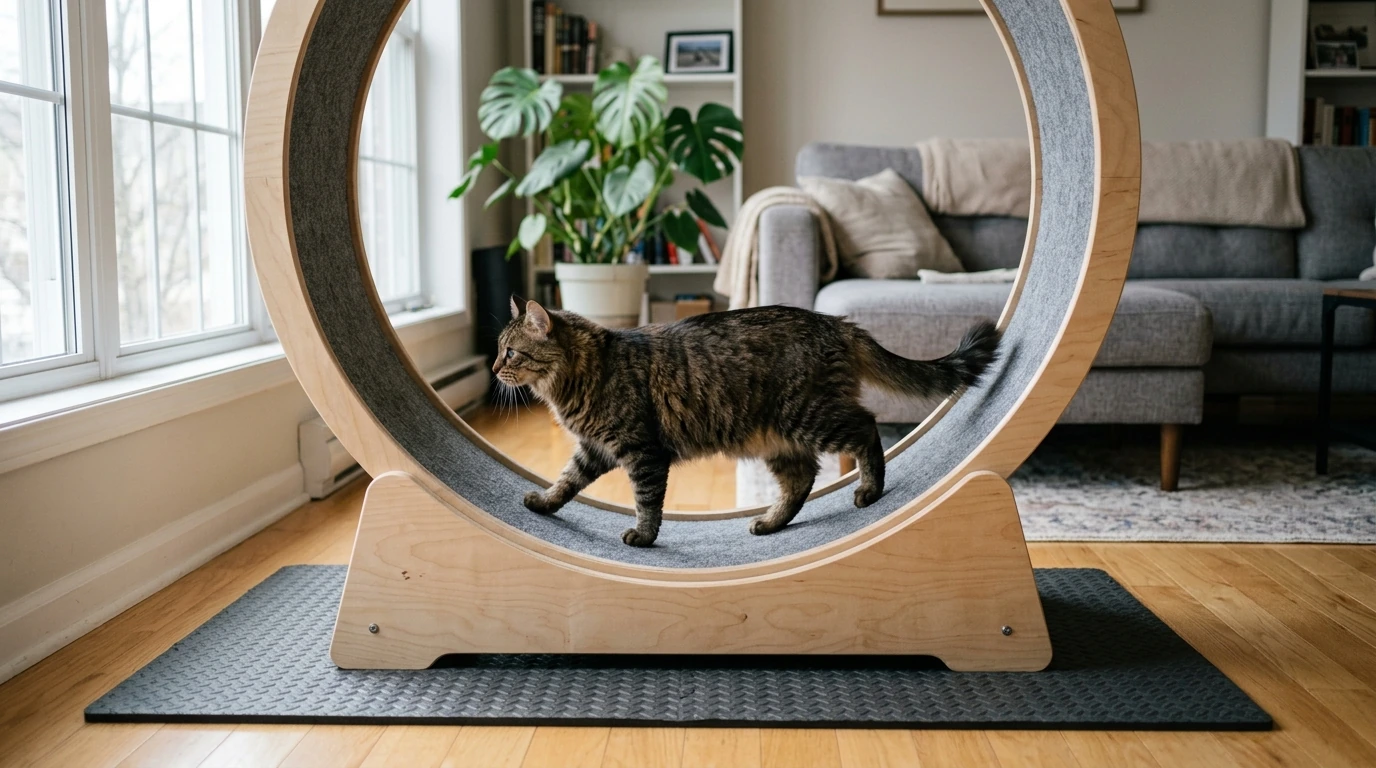
Indoor Cat Exercise Wheels: A Practical Guide for Daily Play, Fitness, and Calm Behavior
An exercise wheel can turn indoor zoomies into consistent, low-effort movement—especially helpful for apartment cats, high-energy breeds, and pets that get bored easily. The key is choosing a stable wheel, placing it where the cat feels safe, and using a short, positive training routine so the wheel becomes a favorite enrichment tool rather than a scary object.
What an exercise wheel does (and what it doesn’t)
A cat exercise wheel is essentially a compact “track” your cat can enter and move at their own pace. Used well, it becomes a reliable outlet for daily energy.
- Provides self-directed cardio and play in a smaller footprint than relying on long hallway sprints.
- Helps convert bursts of energy into predictable sessions, which can reduce nighttime restlessness for some cats.
- Does not replace interactive play entirely; wand toys, stalking games, and puzzle feeding still matter for mental stimulation.
- Works best as part of a routine: meals, play, wheel time, then rest.
Think of the wheel as an “extra lane” for movement—especially on days when weather, work, or space limits playtime.
Cats that tend to benefit most
While any curious indoor cat may enjoy a wheel, certain situations are a particularly good match:
- Young adults with high activity needs, especially in small homes
- Indoor-only cats with limited climbing/running space
- Food-motivated cats that respond well to treat-based training
- Cats prone to boredom behaviors (excess vocalizing, over-grooming, furniture scratching) when enrichment is limited
- Multi-cat homes where one cat needs an extra outlet that doesn’t require owner-led play every time
Quick fit check before buying
| Question | Why it matters | What to do if unsure |
|---|---|---|
| Is the cat generally confident with new objects? | Shy cats may need slower introductions. | Plan a longer acclimation period and use scent swapping and treats. |
| Is there a low-traffic spot available? | Cats run more readily when they feel safe. | Choose a corner area away from loud appliances and busy walkways. |
| Is the household noise-sensitive? | Some wheels create vibration or rolling sounds. | Use a mat/rug under the wheel and avoid placing it against shared walls. |
| Is the cat overweight or deconditioned? | Sudden intense exercise can cause strain. | Start with short, slow sessions and consult a veterinarian for a weight-loss plan. |
| Are claws regularly trimmed? | Overgrown claws can catch on surfaces. | Trim claws and check running surface texture before training. |
Benefits beyond exercise: mood, sleep, and enrichment
A wheel isn’t just about burning calories. For many indoor cats, the biggest win is that it adds a consistent, predictable “job” to the day.
- Supports healthier activity patterns, which can help weight management when paired with an appropriate diet and vet guidance. Helpful references include the AVMA’s healthy weight guidance.
- May reduce pent-up energy that often shows up as disruptive evening behavior.
- Offers choice and control, which can lower stress for some cats because they decide when to engage.
- Encourages natural behaviors: running, stalking a lure, chasing a moving target (toy or treat trail).
- Adds another “resource” in multi-cat homes, potentially reducing competition if placed thoughtfully.
Pairing wheel time with other enrichment (like DIY foraging) can amplify results; the ASPCA’s cat enrichment ideas are a strong starting point.
Where to place a wheel for real-world use (apartments included)
Placement can make the difference between a wheel that’s ignored and a wheel that becomes part of your cat’s routine.
Training routine: from curiosity to consistent running
Safety and comfort essentials
Noise, cleaning, and maintenance
Product option: Indoor Cat Exercise Wheel
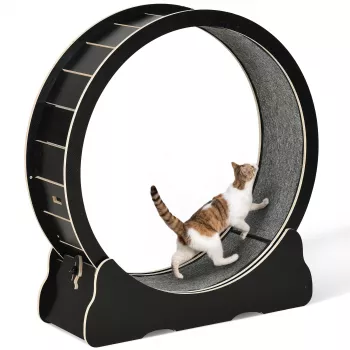
If you’re ready to add a dedicated running outlet, the Indoor Cat Exercise Wheel is built to support daily movement for indoor cats. It’s especially useful when you want a repeatable routine—short sessions after playtime or before evening rest—without needing a long hallway or outdoor access.
At-a-glance: what to confirm when it arrives
| Checkpoint | How to verify | Why it helps |
|---|---|---|
| Stable base | Gently push side-to-side; it should not wobble easily. | Reduces fear and prevents tipping. |
| Smooth rotation | Spin slowly by hand; listen for scraping. | Encourages repeat use and minimizes startle noises. |
| Safe edges and gaps | Run a hand along seams and openings. | Prevents snags and pinches. |
| Traction | Press a paper towel to the surface; it should not feel slick. | Improves confidence and reduces slips. |
| Floor protection | Place on a mat or rug. | Cuts vibration and protects floors. |
Optional add-ons from the store
- Triple-Sided Ultra-Fine Soft Bristle Toothbrush for Enhanced Oral Health (handy if you’re building calmer handling habits alongside enrichment)
- Universal Car Steering Wheel Phone Mount for Safe Navigation (useful for hands-free navigation on vet or supply trips)
FAQ
How long should a cat use an exercise wheel each day?
Start with multiple short sessions (1–3 minutes) and build gradually. Many cats do best with brief bursts totaling about 10–20 minutes daily, adjusted for age, weight, and fitness; stop if you see heavy panting, limping, or clear stress.
How do you get a cat to use an exercise wheel without forcing it?
Use calm exposure, treats, and toy lures, rewarding any interaction (sniffing, stepping in) before shaping forward steps. Keep sessions short and low-pressure, and never place your cat on the wheel against their will.
Are exercise wheels safe for kittens or senior cats?
They can be safe with supervision and slow progression. Kittens may need controlled sessions to prevent reckless jumping, while seniors or cats with arthritis should move at a gentle pace and get veterinary guidance if pain or mobility issues are present.
Recommended for you

Was this article helpful?
Yes
No









Leave a comment