-
Shop
- Advanced Technologies
- AI Skills for Creators & Freelancers
- AI Client Management
- AI Ethics
- AI Mindset
- AI Tools & Prompts
- AI Writing & Content Creation
- Audio, Voice & Music
- Design & Visual Creation
- Email, Messaging & Communication
- Freelancing & Business
- Marketing, Ads & Conversion
- Productivity, Workflow & Automation
- SEO & Search Optimization
- Social Media Content & Growth
- Strategy, Planning & Analytics
- Video Creation & Editing
- AI Skills Mastery 2026 Collection
- Bathroom
- Best-Sellers
- Car Accessories
- Confidence
- Dating & Social Skills
- Digital Resources
- Easter Products
- Education & Learning
- Family & Parenting
- Fashion
- Fashion Accessories
- Furniture
- Gadgets
- Health & Beauty
- Health & Wellness
- Home & Garden
- Home Electronics
- Home Supplies
- Jewelry
- Kids & Babies
- Kitchen
- Lighting
- Patio, Lawn & Garden
- Personal Growth
- Pet Care
- Pet Supplies
- Pets
- Shoes
- Smart Home Living Guides
- Sport & Outdoors
- Stress Relief & Relaxation
- Super Deals
- TikTok Growth & Monetization Mastery
- Travel
- Travel & Adventure
- Wealth
- Wellness
Hybrid Maintenance Secrets for Longer Battery Life
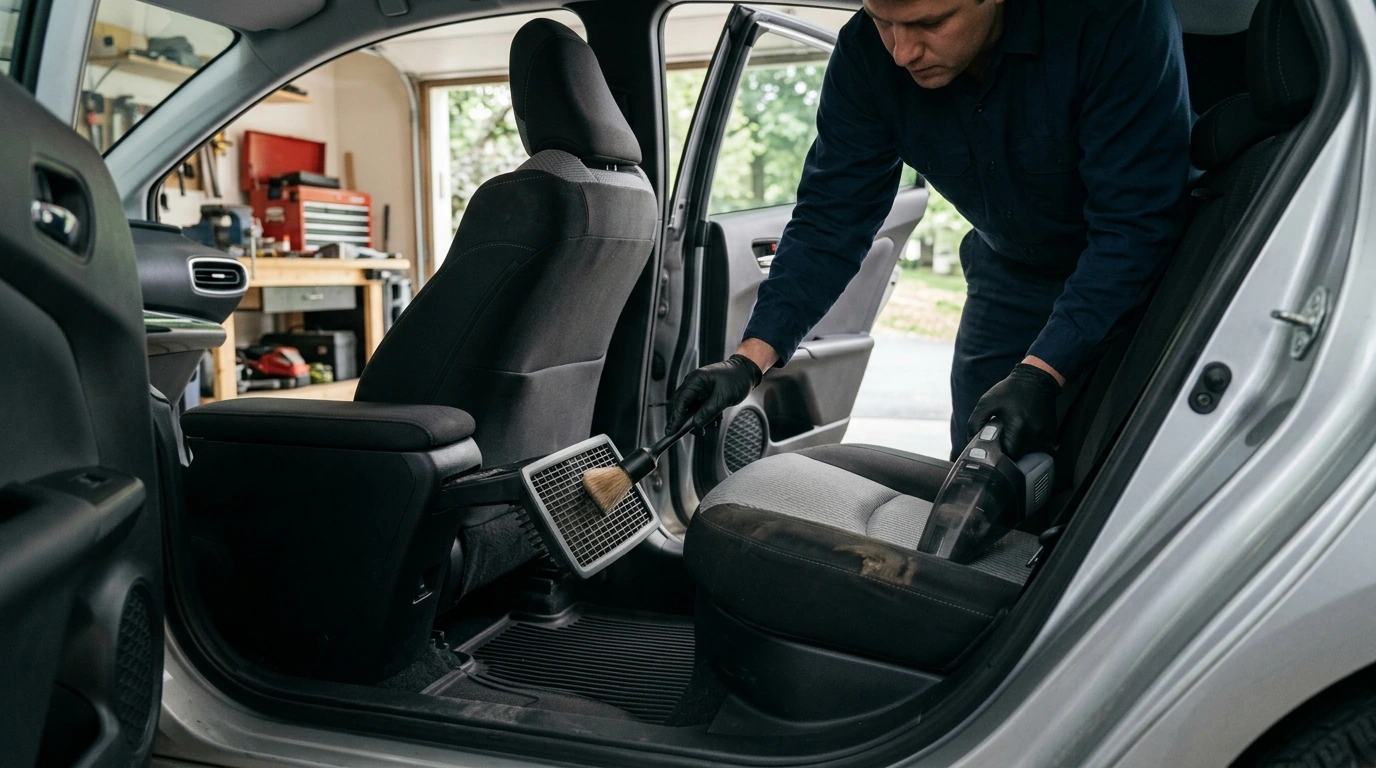
Essential Hybrid Maintenance Secrets: Smarter Care, Longer Battery Life, Fewer Surprises
Hybrid vehicles reward consistent, targeted maintenance: the right driving habits, cooling-system attention, and early warning checks can extend battery health and reduce expensive downtime. Hybrids aren’t “maintenance-free”—they’re simply different. The good news is that a few smart routines can prevent the most common surprises, especially the ones tied to heat, airflow, and small electrical issues that create big symptoms.
How Hybrid Maintenance Differs From Gas-Only Cars
Hybrid ownership means protecting two power systems at once. You still have the familiar internal combustion engine (oil, filters, coolant), but you also have a high-voltage battery pack, inverter/converter electronics, and one or more electric motors that rely on stable temperatures and clean electrical connections.
- Two power systems to protect: engine maintenance still matters, but battery, inverter, and electric motor cooling are equally critical.
- Regenerative braking changes wear patterns: brake pads often last longer, yet calipers and slide pins can seize from corrosion if ignored.
- More electronics and sensors: small voltage issues (12V battery, grounds, connectors) can trigger drivability problems and warning lights.
- Heat is the enemy of battery longevity: airflow, fan cleanliness, and cabin filter condition can directly affect battery temperature management.
For a quick fundamentals refresher on how hybrids work, the U.S. Department of Energy overview of Hybrid Electric Vehicles is a reliable reference.
Core Maintenance Schedule That Protects Battery Health
A hybrid-friendly schedule prioritizes rolling efficiency, cooling performance, and early electrical checks. If your owner’s manual differs, follow the manual—especially for coolant and transmission-fluid intervals.
| Interval | What to do | Why it matters |
|---|---|---|
| Monthly | Check tire pressure; listen for unusual cooling fan operation; scan for new warning lights | Reduces load on battery and drivetrain; early catch of cooling issues |
| 5k–10k miles | Rotate tires; inspect brakes for rust/seizing; check fluids | Maintains efficiency; prevents expensive brake hardware failures |
| 15k–30k miles | Replace cabin air filter; clean battery cooling intake area | Improves battery cooling and comfort HVAC performance |
| 50k–100k miles | Service coolants and other fluids per manual; full diagnostic scan | Heat control and fluid condition help prevent inverter/battery stress |
Monthly quick checks (fast, high impact)
- Tire pressure: low pressure increases rolling resistance and forces the hybrid system to work harder.
- 12V battery symptoms: slow “boot-up,” dim lights, random glitches, or intermittent “ready” issues can start here.
- Unusual fan noise: a loud whir near the rear seat or trunk area often points to battery cooling effort or restriction.
- New warning lights: don’t wait for a driveability problem—capture codes early.
Driving Habits That Quietly Extend Hybrid Battery Life
Battery aging is heavily influenced by temperature and current draw. Daily habits don’t need to be extreme to make a measurable difference over time.
- Avoid prolonged heat soak: when practical, park in shade or use sunshades; extreme heat accelerates battery aging.
- Keep state-of-charge swings gentle: smooth acceleration and anticipating traffic reduces high-current draw and aggressive regen spikes.
- Use EV mode strategically: short, low-speed segments are ideal; forcing EV under heavy load can raise battery temperatures.
- Limit long storage at high heat or full charge: follow manufacturer storage guidance and keep tires properly inflated to reduce strain on restart.
- Don’t ignore cooling airflow: keep rear seat/trunk areas clear if the battery intake is located there; pet hair and dust are frequent culprits.
For additional efficiency habits that also reduce powertrain load, see the U.S. EPA gas mileage tips.
Battery Cooling System: The Most Overlooked Wear Item
Many hybrids cool the traction battery with cabin air. That means the “battery cooling system” can be affected by everyday things: dust, lint, pet hair, blocked vents, and neglected cabin filters. Keeping airflow healthy often prevents the chain reaction of heat stress, reduced EV performance, and frequent engine cycling.
Troubleshooting: What to Check Before Booking a Repair
If you suspect a recall or want to verify open campaigns that might relate to warning lights or software updates, use the NHTSA recalls and safety issues lookup.
Smart Monitoring: Using Data to Catch Problems Early
What the eBook Adds: Step-by-Step Routines and AI-Powered Tips
If you want a tighter routine (and fewer “what do I check next?” moments), the Essential Hybrid Maintenance Secrets eBook download organizes the most useful habits into quick checklists and clear troubleshooting paths. It’s designed to help you record what you notice—when it happens, temperature conditions, and driving patterns—so a mechanic can diagnose faster if a shop visit becomes necessary.
For safer navigation while monitoring routes and mileage patterns, a Universal car steering wheel phone mount can help keep directions and trip data visible without juggling your device.
Common Mistakes That Shorten Hybrid Component Life
FAQ
How long do hybrid batteries typically last?
Many hybrid batteries last well into the 8–15 year range, but lifespan varies by model, climate, and how well heat is managed. Consistent cooling airflow (clean intake and filters), avoiding extreme heat soak, and gentle charge/discharge swings can help. Check your warranty terms and watch for trend changes in fuel economy and fan behavior rather than guessing.
Why is my hybrid’s battery cooling fan so loud?
A loud battery fan is often caused by restricted airflow from a blocked intake grille, a dirty cabin air filter, or buildup from pet hair and dust. High cabin temperatures can also make the fan work harder. If the fan is suddenly loud all the time or you see overheating warnings, treat it as urgent and schedule service.
Can a weak 12V battery cause hybrid system warnings?
Yes—weak 12V power can trigger warnings, glitches, and even a no-ready condition because the computers and contactors rely on stable voltage. If you’re seeing random alerts or odd electronic behavior, testing the 12V battery is often a smart first step before expensive high-voltage diagnostics.
Recommended for you



Was this article helpful?
Yes
No









Leave a comment