-
Shop
- Advanced Technologies
- AI Skills for Creators & Freelancers
- AI Client Management
- AI Ethics
- AI Mindset
- AI Tools & Prompts
- AI Writing & Content Creation
- Audio, Voice & Music
- Design & Visual Creation
- Email, Messaging & Communication
- Freelancing & Business
- Marketing, Ads & Conversion
- Productivity, Workflow & Automation
- SEO & Search Optimization
- Social Media Content & Growth
- Strategy, Planning & Analytics
- Video Creation & Editing
- AI Skills Mastery 2026 Collection
- Bathroom
- Best-Sellers
- Car Accessories
- Confidence
- Dating & Social Skills
- Digital Resources
- Easter Products
- Education & Learning
- Family & Parenting
- Fashion
- Fashion Accessories
- Furniture
- Gadgets
- Health & Beauty
- Health & Wellness
- Home & Garden
- Home Electronics
- Home Supplies
- Jewelry
- Kids & Babies
- Kitchen
- Lighting
- Patio, Lawn & Garden
- Personal Growth
- Pet Care
- Pet Supplies
- Pets
- Shoes
- Smart Home Living Guides
- Sport & Outdoors
- Stress Relief & Relaxation
- Super Deals
- TikTok Growth & Monetization Mastery
- Travel
- Travel & Adventure
- Wealth
- Wellness
Heavy-Duty Collapsible Wagon Guide: Capacity, Wheels & Use
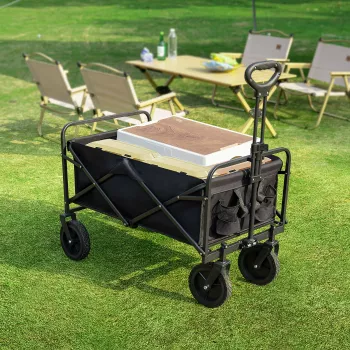
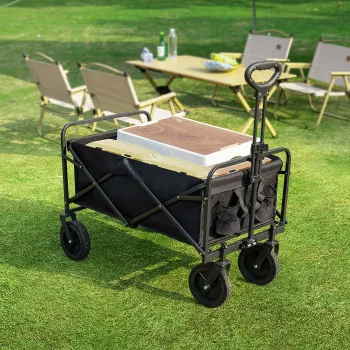
Collapsible Folding Outdoor Utility Wagon: Large-Capacity Heavy-Duty Cart for Hauling Gear Anywhere
A collapsible outdoor utility wagon helps move bulky loads—coolers, camping gear, sports equipment, garden supplies—without multiple trips. The right wagon reduces strain, keeps gear organized, and makes loading and unloading faster whether you’re crossing a parking lot or rolling across grass. Below is a practical breakdown of capacity, durability features, wheel performance, folding and storage convenience, and everyday use cases so it’s easier to choose a wagon that handles real-world hauling.
What a Collapsible Utility Wagon Is Best For
A folding utility wagon earns its keep when you need one trip instead of three, and when carrying by hand would be awkward or hard on your back and shoulders. Common scenarios include:
- Beach days: Carry chairs, towels, shade canopies, and coolers over soft sand (look for wider wheels and a stable stance).
- Camping and tailgates: Move bins, water jugs, grills, and firewood from the car to the site.
- Sports and events: Transport team bags, pop-up tents, and folding chairs across parking lots and fields.
- Gardening and yardwork: Haul soil bags, mulch, tools, and plants without constant lifting.
- Everyday errands: Bring heavy grocery loads from car to home or move boxes during a cleanout.
Capacity and Load Handling: What “Large-Capacity” Really Means
“Large-capacity” isn’t just about tall sidewalls or a wide bed—capacity is a combination of usable volume and safe load rating. A wagon can look roomy but still have a lower weight limit, especially at the wheel mounts and fold joints, so it’s worth checking both numbers before buying.
- Weight rating vs. usable volume: More space helps, but the load rating determines what you can safely haul.
- Realistic packing examples: A true large-capacity wagon should fit a medium cooler plus a couple of folding chairs and a tote without crushing items.
- Stability under load: A wider wheelbase and lower center of gravity reduce tipping when turning or crossing uneven ground.
- Even load distribution: Keep heavier items centered over the axle area; avoid stacking weight high or to one side.
- Safety margin: Staying under the rated maximum reduces long-term stress on the frame, fabric bed, and wheel assemblies.
Typical Loads a Heavy-Duty Utility Wagon Can Carry (Examples)
| Use case | Common items | Packing tips |
|---|---|---|
| Beach outing | Cooler, towels, umbrella, toys | Put cooler low and centered; secure tall items to prevent tipping |
| Camping setup | Storage bins, water jug, sleeping bags | Distribute weight evenly; keep sharp edges away from fabric |
| Sports tournament | Team bag, pop-up tent, chairs | Place long items diagonally; keep wheels clear when turning |
| Garden haul | Soil or mulch bags, tools, pots | Line the bed if carrying gritty bags; avoid overhanging corners |
| Event vendor | Display bins, signage, small table | Use bungees/straps if available; don’t stack too high |
Heavy-Duty Build Features to Look For
Durability matters most in the parts that take repeated stress: the frame, the fabric bed, and the wheel/axle system. If you’ll use the wagon frequently, prioritize construction that stays stable even after hundreds of folds and miles of rolling.
- Frame strength: Reinforced steel or sturdy alloy frames handle repeated loading and curb bumps better than thin tubing.
- Wagon bed material: Thick, tear-resistant fabric (often polyester) with strong stitching holds up to abrasion and moisture.
- Wheel assemblies: Quality bearings and robust axles roll smoother and last longer under heavy loads.
- Handle design: Telescoping or adjustable handles improve comfort for different heights; a secure locking mechanism prevents sudden collapse.
- Brakes (if included): Wheel locks help when parked on slight slopes at parks, beaches, or driveways.
For users trying to reduce repeated lifting and awkward carries, ergonomics guidance from organizations like OSHA and the CDC/NIOSH ergonomics overview highlights how load size, posture, and repetition can increase strain—exactly the kind of problem a wagon can help avoid when used correctly.
Wheel Type and Terrain Performance
Folding, Storage, and Portability
Everyday Tips for Safe Hauling and Longer Lifespan
If you’re hauling gear in parks and natural areas, planning ahead and consolidating loads can also reduce back-and-forth trips; the Leave No Trace principles are a helpful reminder to be prepared and keep transport tidy, especially around trails and campsites.
Recommended Pick: Collapsible Folding Outdoor Utility Wagon – Large-Capacity Heavy-Duty Cart
The Collapsible Folding Outdoor Utility Wagon – Large-Capacity Heavy-Duty Cart is built for people who want generous carrying space with a foldable frame that stores away between outings. It’s a practical match for event gear, camping supplies, and garden loads when a standard hand-carry approach takes too many trips.
Helpful Add-Ons for Outings and Errands
- Universal Car Steering Wheel Phone Mount for Safe Navigation for quick directions and parking-lot navigation while you’re on the move.
- Triple-Sided Ultra-Fine Soft Bristle Toothbrush for Enhanced Oral Health as an easy camp kit or travel essential.
FAQ
How much weight can a heavy-duty collapsible utility wagon carry?
Weight capacity varies by model, so the most reliable number is the manufacturer’s rated load limit. For stability and long-term durability, keep a safety margin below the maximum and distribute heavier items low and centered rather than stacked high.
Do collapsible wagons work well on sand and grass?
They can, especially when the wagon has wider wheels and stable steering that helps prevent digging in on soft ground. Narrow wheels tend to sink more easily; after sandy use, rinsing and drying the wheels helps protect bearings and rolling performance.
How should a folding wagon be stored to prevent damage?
Remove sand and debris, let the fabric and frame dry fully, then fold and store it in a cool, dry place (ideally in its carry bag). Dry storage helps prevent mildew on fabric and reduces the chance of corrosion on metal parts.
Recommended for you

Was this article helpful?
Yes
No









Leave a comment