-
Shop
- Advanced Technologies
- AI Skills for Creators & Freelancers
- AI Client Management
- AI Ethics
- AI Mindset
- AI Tools & Prompts
- AI Writing & Content Creation
- Audio, Voice & Music
- Design & Visual Creation
- Email, Messaging & Communication
- Freelancing & Business
- Marketing, Ads & Conversion
- Productivity, Workflow & Automation
- SEO & Search Optimization
- Social Media Content & Growth
- Strategy, Planning & Analytics
- Video Creation & Editing
- AI Skills Mastery 2026 Collection
- Bathroom
- Best-Sellers
- Car Accessories
- Confidence
- Dating & Social Skills
- Digital Resources
- Easter Products
- Education & Learning
- Family & Parenting
- Fashion
- Fashion Accessories
- Furniture
- Gadgets
- Health & Beauty
- Health & Wellness
- Home & Garden
- Home Electronics
- Home Supplies
- Jewelry
- Kids & Babies
- Kitchen
- Lighting
- Patio, Lawn & Garden
- Personal Growth
- Pet Care
- Pet Supplies
- Pets
- Shoes
- Smart Home Living Guides
- Sport & Outdoors
- Stress Relief & Relaxation
- Super Deals
- TikTok Growth & Monetization Mastery
- Travel
- Travel & Adventure
- Wealth
- Wellness
Fuel-Smart Long Road Trip Checklist: Plan Stops & Save Gas
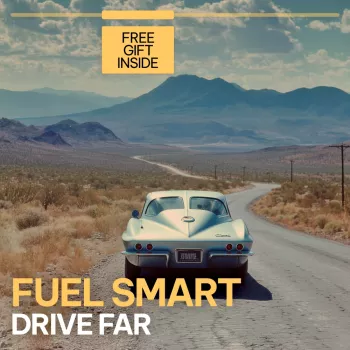
Fuel Smart, Drive Far: A Practical Checklist for Efficient Long-Distance Road Trips
Long drives get easier when fuel stops, speed, route choices, and small vehicle habits are planned ahead. Use the checklist below to map fuel breaks, reduce waste from detours and idling, and keep navigation simple with smart routing tools. If you like having a ready-to-use template you can reuse for every trip, the Fuel Smart Drive Far – Ultimate Checklist can help you turn these steps into a repeatable routine.
Start with the basics: vehicle readiness that protects fuel range
A road trip’s fuel efficiency often depends more on fundamentals than on any single “hack.” A few minutes of prep can prevent a slow leak, extra drag, or minor maintenance issue from quietly shrinking your range.
- Check tire pressure when tires are cold. Under-inflation increases rolling resistance and can shorten range. Use the driver-door placard as your baseline.
- Remove unnecessary weight from the trunk and cabin. Extra mass raises fuel use, especially in stop-and-go traffic and on long grades.
- Confirm the correct oil grade and current maintenance status. Make sure oil type matches the owner’s manual and that air filters, spark plugs (if applicable), and warning lights are handled before departure.
- Plan for weather. Strong headwinds, heavy rain, and extreme temperatures can change mileage and shift your refill timing.
- Reset your trip meter or fuel-economy tracker. Starting fresh helps you spot early consumption issues before you’re far from convenient services.
Estimate fuel needs and build a refill buffer
Highway ratings are a starting point, not a promise. Real-world MPG typically drops with higher speeds, elevation changes, cargo, and heavy HVAC use. The goal is to plan stops early enough that closures or long gaps don’t force a stressful detour.
- Start with route distance, then estimate real-world MPG. Use a conservative number, especially with a loaded vehicle or extreme heat/cold.
- Add a safety buffer. Aim to refill before the low-fuel warning; in remote areas, keep at least a quarter tank.
- Identify long gaps between services. Rural highways, overnight stretches, and mountain passes can have fewer open stations than expected.
- Pick a refuel threshold. Example: refuel when projected remaining range equals the next 60–100 miles, depending on how sparse the area is.
- Confirm station hours off-hours. When traveling early, late, or on holidays, look for pay-at-pump availability and 24/7 options.
| Planning item | What to decide | Why it matters |
|---|---|---|
| Baseline MPG assumption | Conservative MPG for your load/season | Prevents underestimating fuel stops |
| Refuel threshold | Range buffer (e.g., 60–100 miles) | Reduces risk in sparse areas |
| High-risk gaps | Segments with limited stations | Avoids surprise detours |
| Primary fuel stops | 2–6 planned stations | Speeds up decisions on the road |
| Backup options | At least one alternate per long segment | Helps during closures/price spikes |
| Night/holiday coverage | 24/7 stations when needed | Prevents late-hour dead ends |
Choose routes that balance speed, terrain, traffic, and reliability
The “fastest” route isn’t always the most efficient or the least stressful. Comparing a couple options before you leave can reduce fuel burn from congestion, repeated merges, and surprise construction zones.
- Compare at least two routes. Look at fastest vs. most reliable vs. least elevation gain (when it applies).
- Factor elevation and grades. Sustained climbs increase fuel use; sometimes a slightly longer but flatter route uses less fuel overall.
- Avoid repeated short hops through congestion. Stop-and-go driving usually burns more fuel than steady cruising.
- Check construction and incident-prone corridors. Frequent slowdowns reduce both efficiency and predictability.
- Prefer routes with consistent services. This matters more with kids, pets, or winter travel, when unplanned stops can become urgent.
Use smart routing tools without draining your phone or attention
Navigation should reduce workload, not create it. A simple setup keeps you informed while minimizing distraction and battery anxiety.
For a simple setup that keeps your screen in view without juggling it in your hand, consider the Universal Car Steering Wheel Phone Mount for Safe Navigation.
Driving habits that consistently improve mileage on long trips
For additional efficiency tips from authoritative sources, review FuelEconomy.gov’s driving more efficiently guidance and the U.S. Department of Energy’s gas mileage tips.
Fuel-stop strategy: time, safety, and cost without detours
Reducing distraction is part of the strategy, too—fewer last-minute decisions means fewer risky glances at the phone. The NHTSA’s guidance on distracted driving is a useful reminder before any long haul.
Pack a simple kit for fuel and navigation contingencies
FAQ
How far in advance should fuel stops be planned for a long drive?
Plan primary stops before departure so you’re not making rushed decisions in low-signal areas, then reassess every 1–2 hours based on actual MPG, weather, and traffic. Keep enough buffer that you can still reach the next stop if a station is closed.
Does driving a bit slower really save fuel on highways?
Yes. Fuel economy often drops as speed rises due to aerodynamic drag, so steady cruising at a slightly lower speed can extend range—especially over long distances.
What should be done if the route has long stretches with few gas stations?
Refuel earlier than you normally would, keep at least a quarter tank, and confirm station hours ahead of time. Save at least one backup stop for each long segment and consider traveling during daytime for better service availability.
Recommended for you


Was this article helpful?
Yes
No









Leave a comment