-
Shop
- Advanced Technologies
- AI Skills for Creators & Freelancers
- AI Client Management
- AI Ethics
- AI Mindset
- AI Tools & Prompts
- AI Writing & Content Creation
- Audio, Voice & Music
- Design & Visual Creation
- Email, Messaging & Communication
- Freelancing & Business
- Marketing, Ads & Conversion
- Productivity, Workflow & Automation
- SEO & Search Optimization
- Social Media Content & Growth
- Strategy, Planning & Analytics
- Video Creation & Editing
- AI Skills Mastery 2026 Collection
- Bathroom
- Best-Sellers
- Car Accessories
- Confidence
- Dating & Social Skills
- Digital Resources
- Easter Products
- Education & Learning
- Family & Parenting
- Fashion
- Fashion Accessories
- Furniture
- Gadgets
- Health & Beauty
- Health & Wellness
- Home & Garden
- Home Electronics
- Home Supplies
- Jewelry
- Kids & Babies
- Kitchen
- Lighting
- Patio, Lawn & Garden
- Personal Growth
- Pet Care
- Pet Supplies
- Pets
- Shoes
- Smart Home Living Guides
- Sport & Outdoors
- Stress Relief & Relaxation
- Super Deals
- TikTok Growth & Monetization Mastery
- Travel
- Travel & Adventure
- Wealth
- Wellness
Forever Fresh Home: Declutter, Organize & Maintain
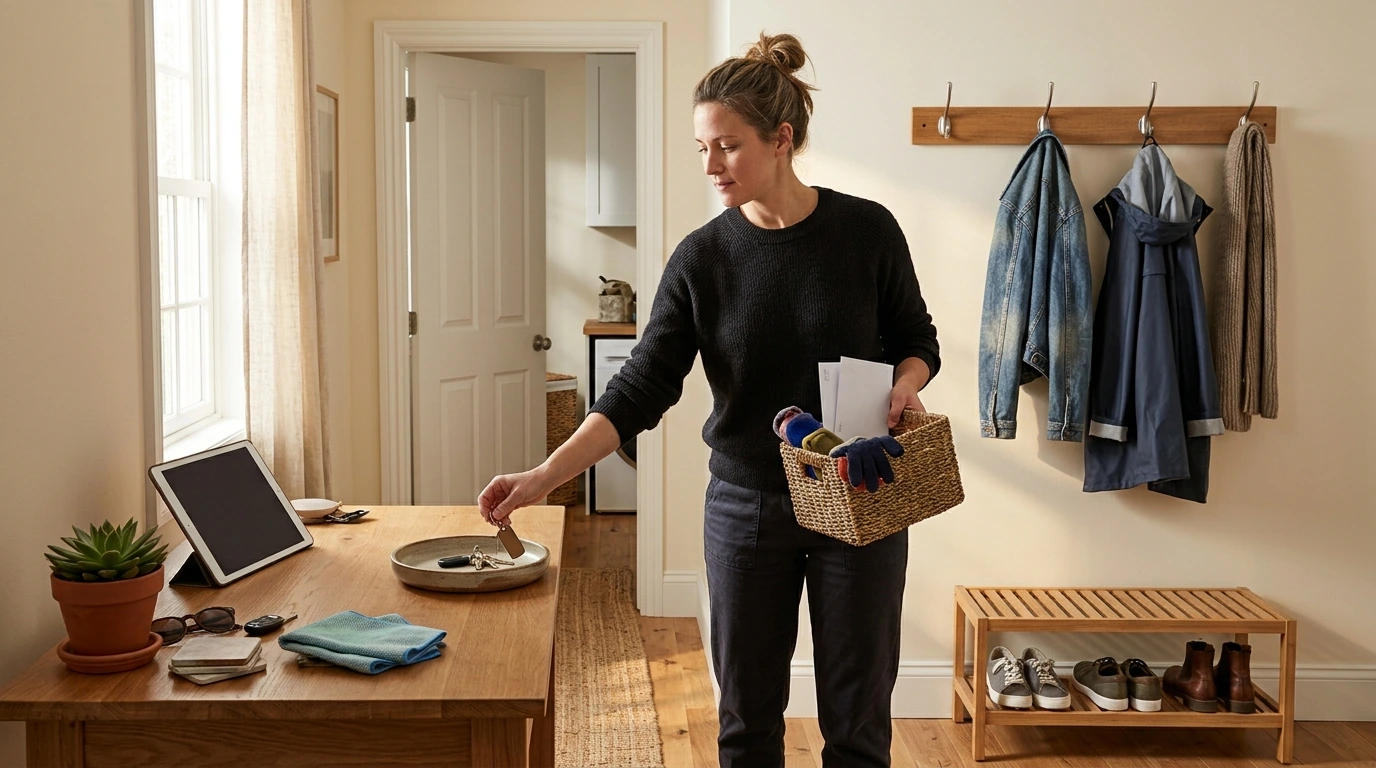
What “Forever Fresh” Looks Like (and Why It’s Hard to Sustain)
A “forever fresh” home isn’t a magazine-perfect space—it’s a home that resets quickly. Think: clear-ish surfaces, no lingering odors, essentials that are easy to find, and floors/counters that you can bring back to baseline in minutes. When the baseline is simple, the home feels calm even when life is full.
Most homes struggle to stay fresh for predictable reasons: too much inventory (backstock, duplicates, “just in case” items), unclear “homes” for everyday things, routines that depend on motivation, and cleaning plans that are too complicated to repeat. A sustainable approach uses three layers that build on each other:
- Declutter (reduce) what you manage.
- Organize (assign homes) based on real use.
- Maintain (repeatable routines) that work on busy days.
Decluttering That Sticks: Reduce the Volume Before You Build a Routine
If your space never looks “done,” start by lowering the amount of stuff your home is trying to hold. Decluttering works best when you aim at the zones that visually broadcast mess.
Start with high-impact zones
- Entryway drop spot: bags, shoes, mail, keys.
- Kitchen counters: small appliances, papers, random containers.
- Bathroom surfaces: bottles, tools, half-used products.
- Bedroom floors: laundry, “deal with later” piles.
Use one decision rule (so you don’t re-decide forever)
Keep items that are used weekly, loved, or truly necessary. Everything else gets relocated to a better home—or released. If you’re unsure, create a “maybe box” with a date on it; if it isn’t opened in 30 days, donate it. This keeps you moving without forcing perfect certainty.
Let containers be the boundary
Drawers, bins, and shelves are natural limits. If an item doesn’t fit comfortably, something leaves. This prevents “tidy for a day, overflowing by Friday” cycles.
Stop doom piles with a five-way sort
- Trash
- Donate
- Relocate (to another room)
- Laundry/dishes (immediate action)
- Keep (only if it has a defined home)
Organization Systems That Match Real Life
Organization sticks when it matches how people actually move through the home. The best systems reduce steps and reduce friction.
Store items where they’re used
Assign every item a home that makes sense at the moment of use—not the moment of buying. If you open mail at the counter, store the letter opener and recycling bag nearby. If you apply lotion by the bed, keep it in the nightstand, not across the house.
Make daily put-away one step
For high-frequency items (keys, mail, shoes, pet gear), use open bins, hooks, and trays—no lids, no stacking, no “remove three things to put one thing away.” Easy beats elegant when you’re building consistency.
Use zones and small kits
- Bathroom kit per bathroom: cleaner, cloths, gloves.
- Quick-reset basket: a tote for living-room roamers (remotes, toys, chargers).
- Laundry station: hampers where clothes actually land, plus stain spray where you need it.
Label by category when possible (“batteries,” “backstock soap,” “school papers”) to reduce decision fatigue. Then protect the system with a weekly 10-minute sweep: return items to homes, empty “collection bins,” and restock essentials before they run out.
A Simple Cleaning Rhythm: Daily, Weekly, Monthly (Without Burnout)
A fresh home is usually the result of small “closing duties,” not heroic cleaning days. Keep it light, repeatable, and timed.
| Cadence | What to do | Time target | Best tip to make it automatic |
|---|---|---|---|
| Daily | Dishes/counters, quick pickup, bathroom wipe, trash check | 10–20 min | Pair with a fixed trigger (after dinner or before bed) |
| Weekly | Vacuum/mop, full bathroom clean, bedding, dust hotspots | 45–90 min total | Split by day (e.g., bathrooms Tuesday, floors Thursday) |
| Monthly | Fridge cleanout, filters, cabinet fronts, declutter pass | 30–60 min | Set a recurring calendar reminder |
| Seasonal | Deep-clean one zone, donation run, rotate storage | 1–2 hrs | Plan around a natural season change or holiday |
For health-focused guidance on cleaning and disinfecting in higher-risk situations, reference the CDC’s cleaning and disinfecting recommendations.
Keeping the Air and Soft Surfaces Fresh
Even a tidy room can feel “off” if the air is stale or soft surfaces are holding onto odors.
For practical tips on healthier indoor air, the U.S. EPA’s Indoor Air Quality resources are a solid reference.
Staying Consistent When Life Gets Busy
Use a hard-week baseline
Stack habits onto routines you already do
Keep an emergency 30-minute reset
Recommended Tools and Guides (In Stock)
- The Long-Term Guide to a Forever Fresh Home (Digital eBook) — a structured plan that combines decluttering decisions, organizing setups, and a realistic cleaning rhythm for long-term maintenance.
- Triple-Sided Ultra-Fine Soft Bristle Toothbrush for Enhanced Oral Health — a simple way to upgrade daily bathroom routines that contribute to an overall “fresh home” feeling.
FAQ
How long does it take to maintain a clean house long term?
For most households, a realistic target is 10–20 minutes daily plus 45–90 minutes weekly. The more you declutter, the less time maintenance takes because there’s less to pick up, wipe around, and put away.
What should be cleaned daily to keep a home feeling fresh?
Focus on high-impact resets: dishes/sink, kitchen counters, a quick pickup of floors and surfaces, bathroom touch-ups, and trash/odor sources. Small daily closes prevent buildup and make weekly cleaning faster.
How can a home stay fresh if there are kids or pets?
Rely on systems: a shared drop zone, open toy/pet-supply bins, washable textiles, and frequent vacuuming of soft surfaces. Pair that with ventilation and scheduled laundering to keep odors from settling in.
Recommended for you



Was this article helpful?
Yes
No









Leave a comment