-
Shop
- Advanced Technologies
- AI Skills for Creators & Freelancers
- AI Client Management
- AI Ethics
- AI Mindset
- AI Tools & Prompts
- AI Writing & Content Creation
- Audio, Voice & Music
- Design & Visual Creation
- Email, Messaging & Communication
- Freelancing & Business
- Marketing, Ads & Conversion
- Productivity, Workflow & Automation
- SEO & Search Optimization
- Social Media Content & Growth
- Strategy, Planning & Analytics
- Video Creation & Editing
- AI Skills Mastery 2026 Collection
- Bathroom
- Best-Sellers
- Car Accessories
- Confidence
- Dating & Social Skills
- Digital Resources
- Easter Products
- Education & Learning
- Family & Parenting
- Fashion
- Fashion Accessories
- Furniture
- Gadgets
- Health & Beauty
- Health & Wellness
- Home & Garden
- Home Electronics
- Home Supplies
- Jewelry
- Kids & Babies
- Kitchen
- Lighting
- Patio, Lawn & Garden
- Personal Growth
- Pet Care
- Pet Supplies
- Pets
- Shoes
- Smart Home Living Guides
- Sport & Outdoors
- Stress Relief & Relaxation
- Super Deals
- TikTok Growth & Monetization Mastery
- Travel
- Travel & Adventure
- Wealth
- Wellness
Foldable Adjustable Bench: Full-Body Home Workouts
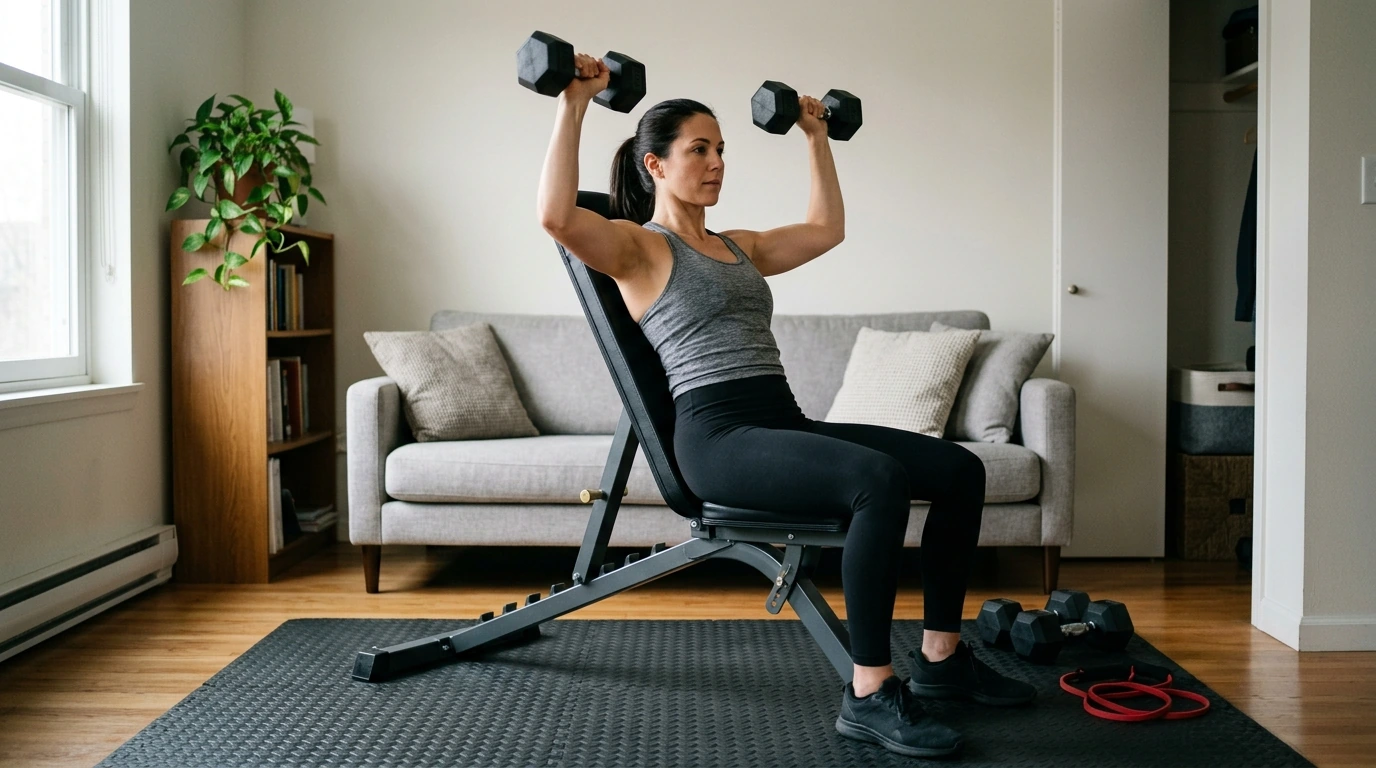
An adjustable, foldable weight bench can turn a small corner of a room into a versatile strength-training setup. With multiple backrest angles and a compact fold-away design, it supports pressing, rowing, core work, and a wide range of dumbbell exercises while helping keep storage simple between sessions.
What makes an adjustable foldable bench useful at home
A bench is one of those “multiplier” pieces of equipment: it doesn’t do the work for you, but it expands what you can safely and comfortably do with the tools you already own. With a single adjustable bench, it’s easier to build consistent routines that hit your entire body without turning your living space into a permanent gym.
- Supports multiple training positions (flat, incline, and often decline) to vary muscle emphasis.
- Enables full-body sessions with minimal equipment by pairing with dumbbells, resistance bands, or bodyweight.
- Foldable footprint helps keep living spaces usable when the workout is over.
- Adjustability helps accommodate different heights, limb lengths, and mobility levels.
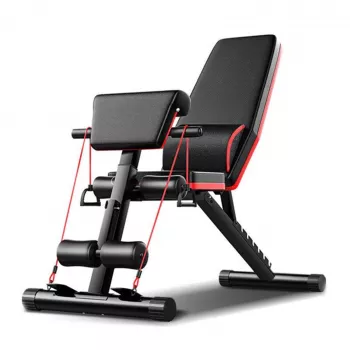
If you’re setting up a compact home routine, the Adjustable Foldable Weight Bench for Full Body Workout is a straightforward way to create repeatable angles and stable support for common strength movements.
Adjustments that expand exercise options
The biggest advantage of an adjustable bench is how small angle changes can make a familiar exercise feel brand new. Moving from flat to a low incline can shift emphasis toward the upper chest and front delts, while a more upright setting can make overhead and arm work feel more controlled—especially when you want back support.
- Backrest angle changes shift load and range of motion for presses, fly variations, and shoulder work.
- Seat angle support can help reduce sliding on steeper inclines and improve comfort.
- Locking mechanisms should feel secure with minimal wobble before adding load.
- Small increments between angles can make it easier to match comfort and shoulder position.
Bench angles and practical exercise pairings
| Bench setting | Good exercise choices | Main areas emphasized | Technique cue |
|---|---|---|---|
| Flat | Dumbbell bench press, chest-supported row (with dumbbells), glute bridge | Chest, mid-back, glutes | Keep feet planted and avoid over-arching the lower back |
| Low incline | Incline dumbbell press, incline fly (light), supported rear-delt raise | Upper chest, shoulders, rear delts | Set shoulder blades down and back before pressing |
| High incline / upright | Seated shoulder press, curls with back support, triceps extensions | Shoulders, arms | Keep ribs stacked over hips to limit back sway |
| Decline (if available) | Decline sit-ups/crunches, decline press variations | Lower chest, core | Control the lowering phase; avoid neck pulling during core work |
Stability and safety checks before loading up
Adjustable benches are meant to be convenient, but convenience shouldn’t come at the expense of stability. A quick pre-set check makes your workout feel smoother and helps you lift with confidence.
- Place the bench on a firm, level surface; consider a rubber mat to reduce slipping.
- Confirm all pins/knobs are fully engaged and the bench is locked at the chosen angle.
- Test stability with bodyweight first (sit, lie back, and shift slightly) before using weights.
- Keep weights within the manufacturer’s stated limits and prioritize controlled reps over heavier loads.
- For unilateral moves (single-arm row, split squats), position the bench so it will not tip when weight shifts.
For general strength-training guidance and weekly activity targets, reliable references include the CDC’s Physical Activity Guidelines overview and the Mayo Clinic’s strength training primer.
Fold-and-store convenience without sacrificing training flow
The best home setup is the one you’ll actually use. A foldable frame removes a common obstacle—having to “live around” your equipment—so it’s easier to train consistently even in apartments, shared spaces, or multipurpose rooms.
- A foldable frame helps reduce clutter and makes it easier to keep a consistent routine in small spaces.
- Plan a simple storage spot (closet edge, under a bed if clearance allows, or against a wall) to remove friction.
- If the bench is moved often, check hinge points and fasteners periodically for tightness.
- Wipe sweat after sessions to protect padding and keep grip stable.
A simple “reset” habit helps: fold the bench, put dumbbells back, and clear the floor. When the next workout starts with a clean area, you’ll waste less time adjusting and more time training.
Full-body workout ideas using a single bench
A bench makes it easier to build balanced sessions because you can quickly rotate between push, pull, legs, and core without complicated equipment changes. Keep the plan simple and repeatable: choose 5–7 movements, do 2–4 sets each, and stop most sets with 1–3 reps in reserve so form stays crisp.
Small add-ons that can support your routine
- Universal Car Steering Wheel Phone Mount for Safe Navigation for hands-free directions and smoother travel to the gym (or to pick up gear).
- Triple-Sided Ultra-Fine Soft Bristle Toothbrush for Enhanced Oral Health as a simple post-workout routine upgrade when you’re rushing from training to the rest of your day.
Setup, care, and long-term use
If you’re training regularly, consider tracking workouts (weights, sets, reps, and bench angle) so progress is measurable and repeatable. For additional resistance-training fundamentals, the ACSM resource on resistance training is a helpful reference.
FAQ
Will a foldable adjustable bench work for beginners?
Yes. Start with light dumbbells or bodyweight movements, focus on stable positioning and controlled tempo, and progress gradually. Choose angles that feel comfortable for shoulders and lower back.
How much weight can this bench support?
Check the product listing for the manufacturer’s stated weight limits (user plus load). Stay below the limit, especially for dynamic movements, and avoid dropping weights onto the bench.
Does it need a lot of space to store?
Foldable designs are meant to reduce the footprint. Measure the intended storage spot and compare it with the folded dimensions provided on the product page before purchasing.
Recommended for you


Was this article helpful?
Yes
No









Leave a comment