-
Shop
- Advanced Technologies
- AI Skills for Creators & Freelancers
- AI Client Management
- AI Ethics
- AI Mindset
- AI Tools & Prompts
- AI Writing & Content Creation
- Audio, Voice & Music
- Design & Visual Creation
- Email, Messaging & Communication
- Freelancing & Business
- Marketing, Ads & Conversion
- Productivity, Workflow & Automation
- SEO & Search Optimization
- Social Media Content & Growth
- Strategy, Planning & Analytics
- Video Creation & Editing
- AI Skills Mastery 2026 Collection
- Bathroom
- Best-Sellers
- Car Accessories
- Confidence
- Dating & Social Skills
- Digital Resources
- Easter Products
- Education & Learning
- Family & Parenting
- Fashion
- Fashion Accessories
- Furniture
- Gadgets
- Health & Beauty
- Health & Wellness
- Home & Garden
- Home Electronics
- Home Supplies
- Jewelry
- Kids & Babies
- Kitchen
- Lighting
- Patio, Lawn & Garden
- Personal Growth
- Pet Care
- Pet Supplies
- Pets
- Shoes
- Smart Home Living Guides
- Sport & Outdoors
- Stress Relief & Relaxation
- Super Deals
- TikTok Growth & Monetization Mastery
- Travel
- Travel & Adventure
- Wealth
- Wellness
Find Home Decor Dupes With AI: Keywords, Checks, Wins
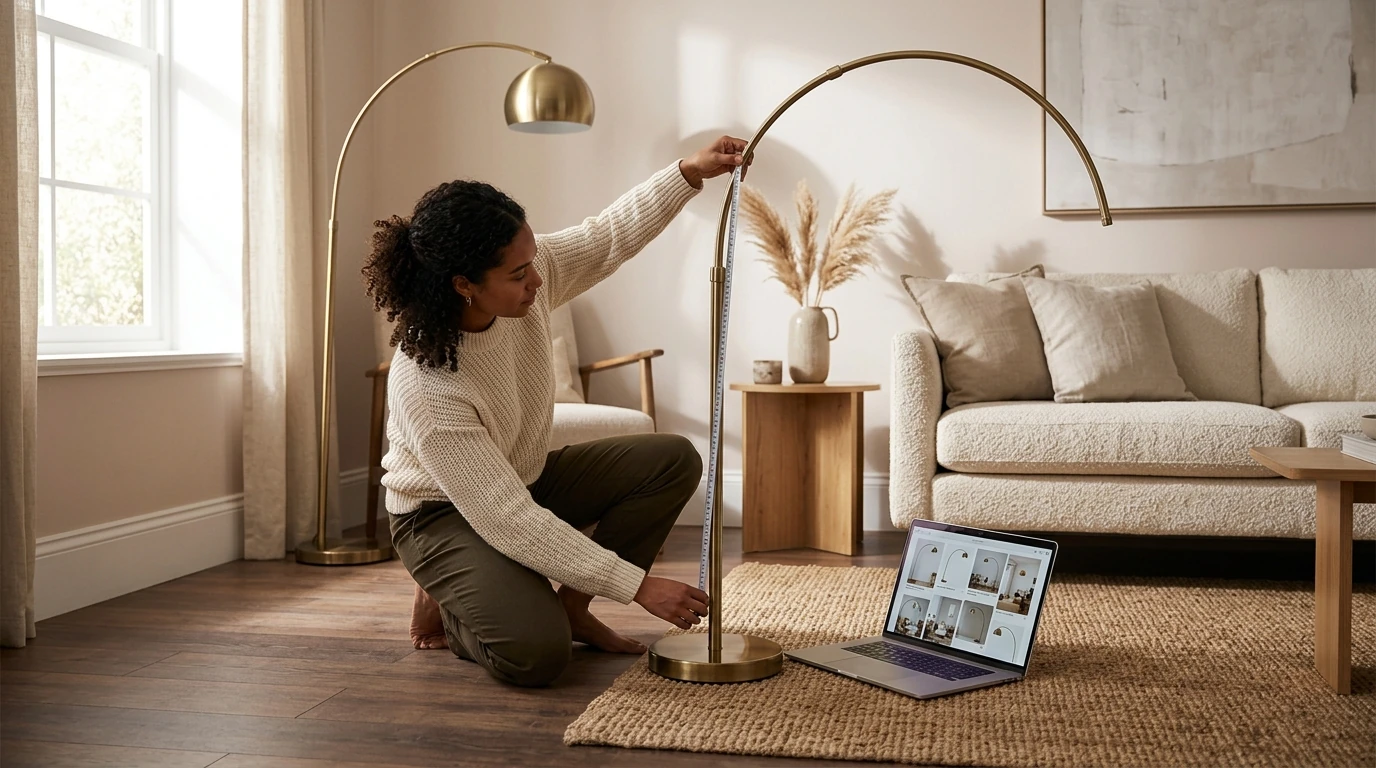
Smart Style: Finding Affordable Home Decor Lookalikes With AI
Designer-looking rooms don’t have to come with designer price tags. With the right questions and a few smart checks, artificial intelligence can help identify the details that make a piece look high-end and then surface budget-friendly alternatives that match the same vibe. The key is treating AI like a fast research assistant: let it translate inspiration into clear attributes, then verify the practical stuff—dimensions, materials, construction, and policies—before you buy.
What counts as a “dupe” in home decor
A decor “dupe” is a lookalike that captures the same silhouette, finish, and visual weight—without copying logos, labels, or trademarked elements. Think “similar vibe,” not counterfeit. This approach works best for broadly available categories where shape and surface are the main story: mirrors, lamps, vases, art, rugs, side tables, shelving, and throw pillows.
Start by defining your non-negotiables. Lock in a size range (height and width matter more than most people expect), decide what materials you won’t compromise on (solid wood vs. veneer, real metal vs. painted), and clarify the functional requirements (hardwired vs. plug-in lighting; washable cover vs. spot-clean only). Then set a realistic budget range and decide what trade-offs you’ll accept—like resin instead of ceramic, or faux travertine instead of stone.
The AI-first method: turn a pricey piece into searchable attributes
AI works best when you give it concrete inputs. Before you search, gather what you can from the original listing: clear photos (front and side if possible), the listing title, dimensions, materials, finish description, and price. Then ask AI to extract attributes and vocabulary you can actually shop.
Have it identify the style (mid-century, Japandi, coastal), shape terms (arched, drum, tapered), materials, and finish keywords. Next, generate a “shopping query kit” of 10–20 search phrases with synonyms. For an arched lamp, that might include variations like “arched brass floor lamp,” “antique brass arc lamp,” or “satin brass arch lamp with marble base.”
Finally, add constraints that reduce mismatches: exact height range, shade diameter range, base footprint range, and color temperature if you’re buying lighting. Those constraints are what keep “close enough” from turning into “why does this look tiny?” once it arrives.
Attribute checklist to capture before searching
| Attribute | What to capture | Why it matters |
|---|---|---|
| Dimensions | Height/width/depth, shade size, rug size, mirror diameter | Prevents lookalikes that feel “off” in the room |
| Materials | Solid wood/metal/ceramic vs veneer/resin/plastic | Predicts durability, weight, and finish realism |
| Finish | Matte vs polished, warm vs cool tone, grain pattern | Makes the dupe read as high-end (or not) |
| Silhouette | Arched, fluted, pedestal, waterfall edge, boucle curve | Primary driver of the “same look” effect |
| Construction | Joinery, backing, lining, shade type, hardware | Determines stability and longevity |
| Functional specs | Hardwired/plug-in, bulb base, wattage, washability | Avoids returns and safety issues |
Where AI helps most (and where it doesn’t)
AI is weaker at the parts that require physical certainty. It can’t guarantee color accuracy across screens, verify whether “solid brass” is truly brass, or judge long-term durability from one photo. Use AI to narrow down candidates, then confirm by reading listings carefully, checking measurements, scanning review photos, and knowing the return window. For general online shopping guardrails, reliable references like the Federal Trade Commission’s online shopping guidance and the Better Business Bureau’s online purchase tips are worth keeping in mind.
Prompts that reliably surface better matches
When you have candidates, comparison and review-mining requests can save time. Have AI compare two listings across dimensions, materials, and finish, and ask it to call out dealbreakers. Then use it to summarize review patterns—especially stability, color mismatch, odor, shedding (for rugs), or surface scratching (for tables and mirrors). For lighting pieces, it can also help to sanity-check proportion ranges; for professional lighting standards and terminology, the International Association of Lighting Designers (IALD) is a helpful reference point.
A fast workflow: from inspiration to cart in 20 minutes
Quality checks that keep “budget” from looking cheap
Digital guide to streamline the process
If you want a reusable system—rather than reinventing the process each time—a focused framework can speed everything up. Smart Style: Using AI to Sniff Out Affordable Home Decor Dupes (Digital Guide) walks through turning inspiration into attribute lists, building keyword kits, and running side-by-side comparisons with consistent quality checks. It’s especially useful for categories where silhouette and finish drive the look—lighting, mirrors, tables, art, vases, and textiles.
For shoppers who like to compare listings and reviews on the go (or keep a device stable while measuring and taking reference photos), a small practical add-on can help: Universal Car Steering Wheel Phone Mount for Safe Navigation.
FAQ
Is using AI to find decor dupes the same as buying counterfeit items?
No. A decor dupe is a lookalike that mimics general design cues like silhouette and finish, while counterfeit items copy branding, logos, or trademarked elements. Stick to generic categories and avoid listings that imitate brand marks or claim to be a designer item at unrealistic prices.
What information produces the best AI results for finding lookalikes?
Multiple photos plus exact dimensions, material notes, and finish descriptions produce the most usable matches. Adding a firm budget cap and constraints (like height range or shade size) dramatically reduces irrelevant results.
How can quality be judged when shopping budget alternatives online?
Check dimensions, materials, construction details, review photos, and the return policy, then compare the total landed cost including shipping and any required hardware. AI can help by summarizing recurring review complaints (stability, color mismatch, odor, scratching, shedding) so you can spot patterns faster.
Recommended for you



Was this article helpful?
Yes
No









Leave a comment